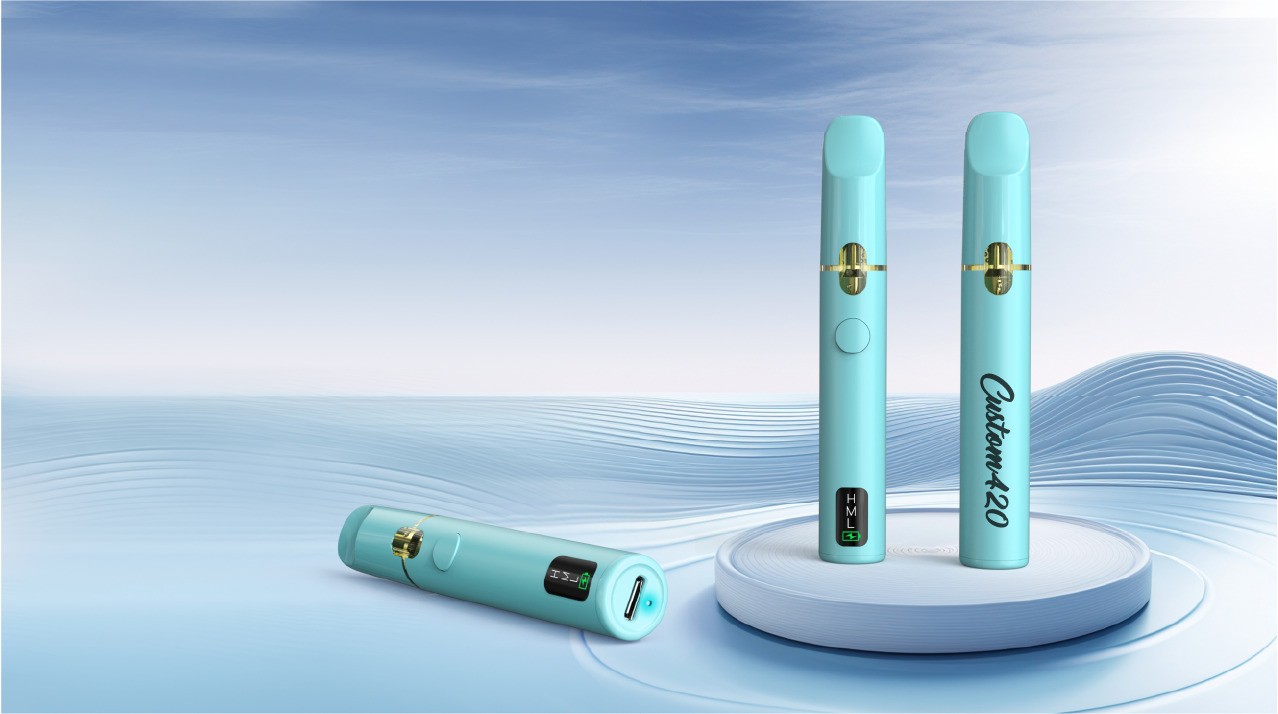
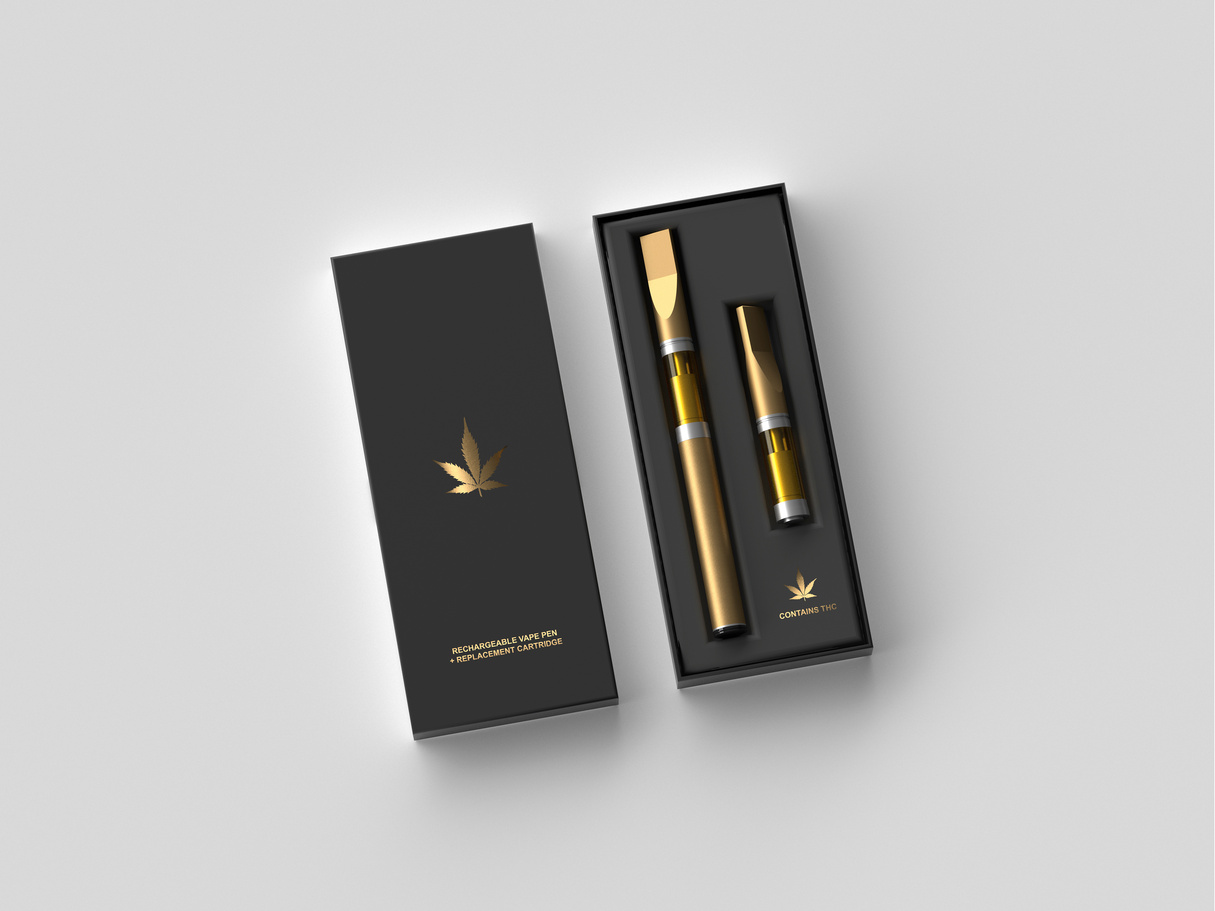
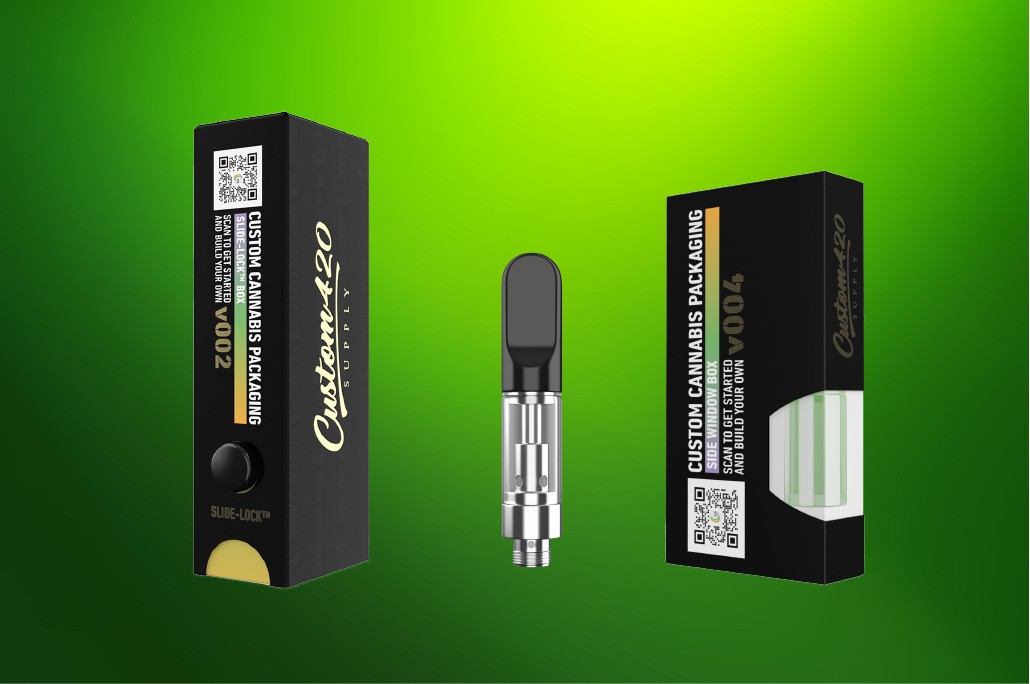
Want the best weed pen design? Not sure where to start? Designing the perfect weed pen requires you to consider various factors, from brand identity to local jurisdictions. Throughout this article, we go over everything you need to know to create the most appealing weed pen design.
Know Your Regulations
Have you been in the business for some time? You’re probably already aware of the legal restrictions that come with cannabis products.
Admittedly, these work on a state-by-state level. So, if you’re new here, we highly recommend looking at your state’s regulations.
Still, there are some universal laws all brands must follow. For example, all states require warning labels that detail the product’s contents (i.e. cannabinoid profile, potency, etc.). Ensure these labels have clear fonts and the right placements.
Create a Captivating Design
When it comes to your label design, there are a few factors to consider:
Establish Consumer Trust
With your target audience in mind, you obviously need to create a label that appeals to this demographic. However, an important trait often ignored is your label must also produce trust in this demographic.
You want a label that captures your brand identity, and you want this identity to define reliability and quality. Furthermore, it helps to have a clean design that produces a professional image.
Play with Colors and Images
Choosing the right color palette can make all the difference. While your coloring will depend on your target demographic, it’s generally preferred to use sophisticated and professional tones.
If your vape pen features an image, make sure it’s a vector graphic. Remember, since these products tend to be small in size, you don’t need to go all-out with image design. Keep it simple and easy to remember.
Avoid Imagery that Appeals to Children
The majority of jurisdictions rule that cannabis products cannot be designed in a manner that appeals to children. This may include cartoon characters, familiar product branding (i.e. specific candy brands), or bright colors.
Incorporate Graphic Design
While you go about your label design, you may want to incorporate graphic design elements. For example, it’s popular for this industry to go with minimalist designs. This looks like:
Clean typography
Highlighted logo and brand name
Limited colors
Remember, vape hardware is very technological in vibe. Therefore, it’s common for products to appear similar to popular technology brands. In other words, they may use clean lines, modern aesthetics, and innovative design elements.
Still, some brands opt for abstract art designs to stand out. These may include geometric patterns or creative typography.
Use the Right Material and Shapes
While materials are important to protect your product, they also determine the feel of your vape pen. So, what materials would the best weed pen use?
Label
Most brands opt for a BOPP label as it’s long-lasting and resistant to water and oil. However, if your brand is known for sustainable sourcing, you may want to go with a paper label.
Direct Print
Still, beyond labels, most brands opt for direct printing and you have a few options for this. For example, silk screen is a great choice if you only incorporate one to three colors, whereas UV printing is more for gradients or intricate color designs.
Finish
When it comes to a vape’s finish, you have two options: gloss and matte. A gloss finish will create a shiny and vibrant appearance. A matte finish gives you a smoother and more elegant look.
Customization
Some brands take things a step further with custom shapes and sizes. In other words, they may use die-cut labels to create more distinction among their vapes.
Finding the Right Custom Vape Partner
Understandably, some businesses must outsource their vape material/designs to save time. If you’re in this position, there are a few things you need to keep in mind:
Digital Label Printing – For the highest-quality results, you’ll want your partner to incorporate this. Digital label printing ensures sharp and vibrant prints that are sure to stand out amongst customers.
Design Assistance – Have a creativity block? Your partner should offer design support to ensure you create the best possible label. You’ll want to ensure the company you outsource from has expertise in the industry and can provide the proper feedback.
Flexibility – As we all know, markets are constantly changing. Find a company that can make adjustments based on your demands and can ensure consistent output.
Final Word
Need a printing company to create the best weed pen for you? That’s where Custom 420 comes in! Our in-house design team can help you come up with the perfect product for your customers.
Want to learn more? We invite you to reach out through our contact form.
Best Weed Pen Designs FAQs
What’s the best voltage for a weed pen?
Typically, you want a weed pen between 2.5 and 3 volts.
Is a weed pod better than a pen?
Generally speaking, pens are easier to use than pods. Therefore, if you want to attract new customers, we recommend pens over pods.
How many vape hits equal a joint?
While this depends on the strength of a vape product, it’s about 10 to 15 hits.
Custom vape cartridge boxes are just as essential as the vape hardware inside. They’re the customer’s first impression of your product and will leave an impact no matter the quality of the cannabis oil inside. Therefore, you want to ensure these boxes stand out on store shelves.
1.) Know Your Target Audience
While you may assume all custom boxes for vape cartridges will have the same target audience, this isn’t 100% true. Yes, it’s fair to say there’s a vape culture that prefers specific aesthetics. However, as vaping becomes more accessible, more types of people are getting their hands on these products.
Furthermore, you need to consider the type of people that purchase from your brand. Some cannabis companies are designed for young people, others for middle-aged people just learning about cannabis.
Consider your brand image and how you want your custom vape cartridge boxes to reflect that. Research your consumers’ preferences and let your results dictate the design process.
2.) Design with Function
Remember, your vape box is more than just a display. It’s what protects the product inside. With that, you’ll want to consider the following:
Source the Right Material
You have a lot of material options to consider, from sturdy cardboard to custom eco-friendly vape cartridge boxes. Again, when making this decision, you need to consider your brand identity.
For example, choose cardboard if you want a sleek and luxurious look. However, biodegradable materials are better options if your brand is known for sustainable sourcing.
Adopt Ergonomic Design Principles
With an ergonomic design, you ensure your vape packaging is attractive and practical. So, what should you consider?
This depends on what comes with each purchase. For example, some brands offer vape accessories (i.e. chargers) with the purchase of a pen. If your product does too, you’ll want to incorporate compartments for these accessories.
Other ergonomic factors add to the unboxing experience. For example, secure closures (or snap locks) are popular, textured surfaces can help to create a tactile experience, etc. The more thought you put into the unboxing experience, the happier your customers will be.
3.) Boost Your Aesthetic
Your custom box is what makes a first impression on customers. With that, you want to ensure the best possible design to represent your brand and retain customers.
You may need to experiment around with certain elements of your custom vape cartridge boxes, including:
If you have multiple products, you’ll want consistent design elements. Remember, these elements should resonate with your target audience and give them a quality unboxing experience.
It can be beneficial to get customers involved. Some brands ask customers to submit artwork for their custom packaging – making your company feel more like a community.
Final Word
While you may have a strong understanding of the marketing purposes behind custom vape cartridge boxes, we know not everyone has the time to develop the perfect design. That’s where Custom 420 comes in!
Our in-house design team can tailor packaging to your vision – ensuring to use the right materials for your brand identity. Want to learn more? We invite you to reach out through our contact form.
Knowing how to design the right vape box packaging is essential if you want to excel in this industry. However, there are a lot of elements to consider that many brands choose to ignore. Our guide is to ensure your brand stands out among the competition and follows local regulations.
9 Vape Box Packaging Tips
Not sure where to begin when designing your vape box packaging? Here are nine tips to consider:
1.) Know Your Target Audience
To begin, you should have a clear idea of your target audience. These include their:
Preferences
Socioeconomic background
Interests
These factors will play an essential role in how you create a vape cartridge packaging box. You want to ensure a design that resonates with your customers, compliments their lifestyle, and aligns with their aesthetic taste.
2.) Consider Your Brand Identity
You want to ensure your box design reflects your brand identity and core values. Therefore, you need consistent designs across your wholesale vape boxes (notably, if you have multiple product types). This will strengthen brand recognition and build customer trust.
3.) Highlight Important Information
Within the cannabis industry, customers seek out important pieces of information the moment they pick up a box. In some cases, this concerns the product inside (i.e. strain type or cannabinoid count). In others, this concerns whether or not a product meets state-compliant expectations.
Arrange the information on your custom disposable boxes in a clear and logical order. Emphasize essential details (i.e. flavor, strength, and product specifications) to ensure they’re easy to find and read at a glance.
4.) Enhance Your Box with Graphics and Illustrations
Once your information is in order, you want to design eye-catching vape packaging boxes that include bold graphics and illustrations. Incorporate captivating images that evoke emotions and capture the essence of your product and brand.
High-quality visuals can greatly enhance customer perception and elevate the appeal of your offerings.
5.) Make Typography Clear
You want the writing on your packaging to be readable and reflect your brand image. Opt for legible font styles that are easy to read, even in smaller sizes. As you develop the writing for your packaging, keep in mind your brand’s tone and the message you want to communicate.
6.) Only Use the Best Materials
Beyond the packaging design, you want to ensure the contents are safe and secure, especially during transportation. The best way to do so is by using the best materials.
We recommend robust cardboard or appropriately thick paperboard. Beyond protection, these materials can help to provide a polished look that increases perceived value.
7.) Consider Your Product’s Coloring
When it comes to marketing, your color palette is essential. If your brand is already established, there’s a good chance you’re already working off of a specific color selection. Keep this in mind as you go about your packaging design.
However, if you plan to incorporate new colors, it’s essential to consider vibrant ones. These are eye-catching and attention-grabbing, allowing you to stand out on store shelves and evoke emotions.
8.) Incorporate Structural Elements
Set your custom vape boxes apart by adding unique structural elements. These may include:
Windows
Inserts
Fold-out sections
Such elements allow for customer interaction and create a memorable unboxing experience.
9.) Know the Law and Regulations
When it comes to the cannabis industry, there are various regulations all products must adhere to. Admittedly, these differ by state and will require you to do a bit of research.
You must ensure your packaging follows the regulatory requirements and guidelines. Your vape box design will need to include the necessary warning labels, age restrictions, and other legal disclosures.
Furthermore, your design may need to meet certain state obligations. For example, most require a child-proof vape cartridge packaging box.
Final Word
As you can see, there’s a lot to consider when it comes to your vape packaging boxes. Naturally, you may not have the time to consider all these elements in specific detail. This is where Custom 420 comes in.
We offer customized vape boxing, crafted by our in-house team of designers. Want to learn more? We invite you to reach out through our contact form.
Vape Box Packaging FAQs
What are vape boxes called?
There’s no specialized name for vape boxes. In simple terms, a vape box is the packaging that holds a vaping product (i.e. cartridge, disposable, etc.).
What packaging does a vape come in?
Most vapes come in boxes that are designed rectangular, triangular, and cylindrical. However, some brands opt for other packaging options, such as plastic casings.
What’s the difference between a box mod and a vape?
Box mods are vapes, they’re just a different kind of vape. They have larger batter components and a wider mouthpiece. As such, they’re usually larger than pocket-sized vaping products.
Child-resistant packaging is an essential feature of the cannabis industry. But as you go about your packaging design, you may wonder about the importance of child-resistant boxes. Here’s everything you need to know.
What are Child-Resistant Boxes?
Since cannabis is harmful to children, all manufacturers are required to place products in child-resistant packaging. Simply put, child-resistant boxes are packaging that reduces the risk of accidental consumption in children under 5 years old.
In other words, this packaging type makes it more difficult for children to access the contents. Children lack finely tuned motor skills and dexterity. These deficiencies make it difficult for them to complete multiple movements and varying pressures at once, all of which are features of child-resistant packaging.
History Behind Child-Resistant Boxes
Child-resistant packaging was introduced as a reaction to reports of child poisonings from accidental ingestion. More specifically, in 1970, the Poison Prevention Packaging Act (PPPA) was written to reduce child risk to harmful substances.
Since then, the U.S. Consumer Product Safety Commission (CPSC) has regulated child-resistant packaging. This organization establishes all the standards, rules, and regulations.
While “child-proof” packaging doesn’t exist, child-resistant packaging is real and has saved lives. It’s estimated the rate of death by poisoning in children under 5 has been reduced by 1.4 per million since the PPPA was introduced.
Why Child-Resistant Packaging is Required in the Cannabis Industry
Cannabis manufacturers need to incorporate child-resistant packaging for a few reasons, and these include the following:
Safety
In the cannabis industry, child safety is a top priority. Cannabis packaging can sometimes appeal to children, having colorful patterns or cartoon characters. Ensuring children can’t access the product inside is essential to avoid them mistaking such products for their favorite candy or snack.
Compliance
Within the cannabis industry, child-resistant packaging is a requirement in all states. In other words, by not using child-resistant packaging, you’re breaking the law and can be subjected to heavy fines or even jail time
It’s important to remember that such packaging goes beyond child-resistant packaging. In the cannabis industry, you must also have state-compliant labels (these vary depending on the state you operate from).
Consumer Trust
Since the cannabis industry is so new, gaining consumer trust has been a staple for all businesses. Most do this through various practices, such as third-party lab testing.
However, creating high-quality child-resistant packaging is another way to ensure customers that your products meet industry standards. This may lead to increased sales and further customer loyalty.
Quality Maintenance
While child-resistant packaging helps protect children, it also preserves cannabis. The multiple seals found in such packaging are a great way to prevent exposure to degrading elements, such as oxygen and moisture.
How to Determine if Your Box is Child-Resistant
If you’re not sure whether or not your cannabis packaging is child-resistant, some independent third-party companies can run lab-certified tests. These companies follow CPSC standards for child resistance and ensure whether or not your packaging meets these guidelines.
As mentioned above, consumer trust is an essential element of the cannabis industry. If you can receive a lab certification for your child-resistant boxes, this will only further consumer trust.
These tests will have children between 42 to 51 months of age participate in an attempt to open your packaging. If 85% of the children are unable to open the packaging within five minutes and 80% still can’t even after a demonstration, your packaging is considered to pass.
Can You Customize Child-Resistant Boxes?
Yes! While you need to ensure that your boxes meet child-resistant standards, this isn’t to say you’re not allowed to develop unique packaging. In fact, it’s encouraged you to get creative with your packaging to ensure brand identity and customer satisfaction.
If you’re unsure how to make your brand stand out, Custom 420 can help. Our in-house team of designers is keen on the cannabis industry and which types of products stand out to customers.
Final Word
Not sure where to source child-resistant boxes? Custom 420 offers various options, from child-resistant slide-tin boxes to 1-inch square child-resistant boxes. In other words, we have a box size for any of your needs!
We invite you to reach out through our contact form to get started.
Child-Resistant Boxes FAQs
What’s the difference between child-resistant and child-proof?
There’s no such thing as “child-proof” packaging. In other words, no packaging can 100% prevent a child from opening it. However, child-resistant packaging refers to Mylar bags, boxes, and other containers that are extremely difficult for children to open.
What is the Child-Resistant Cap Act?
This is a law that requires certain items (i.e. prescription drugs, over-the-counter drugs, household chemicals, etc.) to be placed in child-resistant packaging.
What is considered child-resistant packaging?
As discussed above, there are certificate programs that run tests to see if your packaging is child-resistant. If 85% of children are unable to open a package and 80% are unable to open it after being shown a demonstration, then your packaging is considered child-resistant.
Your cannabis box design is your customer’s first impression of your brand. So, you want to leave a good one. But how can you?
You need to consider essential elements for your cannabis display box design patent. These include the look of your brand and meeting state compliance labels.
Modern Cannabis Branding Problems
Cannabis sales have skyrocketed beyond expectations. In 2020 alone, U.S. sales saw a 67% increase, with the industry worth over $40 billion today. Still, behind all these statistics is an oversaturated market.
While plenty of cannabis experts are entering the space, many are uninformed of modern marketing practices and how to build a brand properly. Therefore, most packaging design concepts aren’t being considered for future-proof.
When it comes to branding, you need a design that makes people want your brand now and a decade from now. While there are many ways to go about this, the two most important factors are consumer trust and high-quality products.
But where do you go from here? And how do you get your brand’s values into the customer’s minds?
The Basics of Logo Design and Branding
In the world of cannabis, the marijuana leaf (a seven-pointed green leaf) has become the staple for both tetrahydrocannabinol (THC) and cannabidiol (CBD) brands.
There’s no denying this is an effective means of displaying the product inside your packaging. However, there’s one problem with this imagery. Everyone’s using it.
As a result, incorporating the marijuana leaf as a logo isn’t the most effective way for your brand to stand out. Some may consider it an easy branding method. So, what options do you have?
We recommend incorporating the triangle shape of the marijuana leaf into your logo, but not letting it dominate the imagery. This is an effective way to indicate this is a marijuana product without being too in the customer’s face.
Still, you can also just avoid the green leaf entirely. Some brands opt for their own logo style and use other marketing tactics to reach a cannabis audience. For example, you may have an ad campaign that displays your products deep in the woods, a favorite “smoke spot” for any connoisseur.
Cannabis Box Packaging Design
Your cannabis packaging design is one of the most essential elements of branding. Beyond your logo, it’s how customers identify with your brand. And for this identification, you must ensure your packaging meets your company’s values.
Naturally, you have plenty of packaging options for your product type. For example, cannabis flower is preferred in Mylar bags. Whereas, cannabis concentrates work best in small glass jars.
Still, you can take packaging a step further with a box. There are two purposes for using a box in addition to other cannabis packaging.
A product box packaging allows further design properties that can’t be matched in other containers, such as die-cut. These are usually made with a flip-top lid and designed to stand out on store shelves.
A mailing box that contains your cannabis product (or an assortment of products). Since this is the first physical experience your customer may have with your brand, you want to make a good first impression. This involves a memorable unboxing experience.
Cannabis Box Design Examples
If you’re not 100% sure how you want your brand to be represented, you have a lot of options. Truly, the only limitation is your creativity.
Still, we all need a starting point. Here are a few considerations for how to define your brand identity:
Luxury Design
Since cannabis is considered a therapeutic product, luxury branding has been a way to appeal to those who want the best of the best.
Most brands opt for black coloring as it indicates luxury, sophistication, and grace. You may match this color scheme with green to indicate cannabis products.
Still, you don’t need the color black to indicate luxury. An elegant packaging incorporating embroidery and shiny texts may be all you need to get your message across.
Colorful Design
Speaking of color, some brands opt for other colorful designs to appeal to different audiences. To give you a better idea of how color and marketing work:
Green – Represents nature and can appear calming.
Red – Stimulates excitement and can drive action.
Blue – Evokes trust and appeals to all genders.
Yellow – Fosters friendliness and stimulates cheerfulness.
Orange – Can appear energetic and creative.
Purple – Indicates sophistication and allure.
White – Provokes quality and simplicity.
Sustainable Design
Since cannabis is a natural product, it comes as no surprise most consumers prefer sustainable packaging. What does this mean?
In simple terms, it’s using recyclable packaging, usually made of cardboard or other biodegradable products. Such cannabis box designs ensure your brand is eco-friendly and can help build customer trust.
Legal Considerations
While cannabis may be legalized, not all forms of packaging are legal. Within the U.S., each state has its own laws and regulations concerning what’s allowed (and required) for cannabis packaging.
If you’re new to the industry, it’s essential to research your state’s requirements. While each differs slightly, some common requirements include:
Avoid using cartoon characters
Copyright infringements (i.e. using non-cannabis branding, like candy brands)
Product content (i.e. THC count)
Specific product labels (i.e. warning signs)
Final Word
As you can see, there’s a lot that goes into your cannabis box design. As such, you may feel overwhelmed about where to begin. That’s where Custom 420 comes in.
We help brands design logos and packaging to match this industry and their state’s requirements. Want to learn more? We invite you to reach out through our contact form.
Cannabis Box Design FAQs
What is the best packaging for cannabis?
While this depends on the product type, flower is best stored in a glass container within a paper box. This not only protects your product but also gives you the ability to customize the design of your packaging.
What is cannabis flower packaging?
Cannabis flower packaging comes in various shapes and sizes, from Mylar bags to glass jars. However, all flower packaging must be child-resistant, tamper-proof, and meet other legal compliances.
What is a cannabis pre-pack?
A cannabis pre-pack (or prepackaging) refers to a product already packaged before selling it to the customer. This is the safest method of cannabis transactions and a requirement in most states.
When it comes to cannabis packaging, there’s a lot to consider. Custom cannabis box packaging is more than just a way to hold your products. It’s a means of advertisement and interaction for your customers.
1.) Objective and Audience Focus
When you first consider your custom boxes, you need to keep in mind your:
Packaging objectives
Target audience
Requirements
In other words, you want custom packaging that meets customer needs while also attracting new buyers through your brand image. Therefore, if you invest in custom cannabis box packaging, ensure to be thoughtful about it.
Since we’re working in the cannabis industry, you may figure all customers look the same. However, as this industry expands, new markets begin to open up. Consider your buyer’s persona and what they expect of packaging quality and design.
For example, maybe your cannabis line targets middle-aged women. As such, your packaging design may require a more luxurious or eco-friendly feel compared to packages designed for young men.
2.) Dimensions and Size Specifications
If you outsource your custom packaging, you must ensure your products match the box. In other words, your packaging partner needs to understand the exact dimensions your products require.
Specifying the exact size of your box is crucial to ensure a perfect fit for your product. Before ordering, verify the following box dimensions:
Height
Length
Width
Furthermore, you’ll want to ensure each box is easy to handle and reliable for transportation.
On top of this, it’s worth incorporating a user-friendly and straightforward design. This ensures your box is hassle-free to open and close and provides quick product access.
Custom 420 already offers standardized box dimensions expected of the cannabis industry. This allows you to easily select the dimensions for your needs without the need to worry about unavailability.
3.) Materials and Strength
Different cannabis products will have various box requirements. For example, cannabis flower may not have as many limitations as edibles because of the ingredients.
You’ll want to determine the material of your box based on:
At Custom 420, we have an extensive range of materials, from eco-friendly to fold-and-tuck solutions. You can learn more through our page on custom cannabis boxes.
4.) Brand Identity and Visual Concept
When you outsource custom cannabis box packaging, you need to ensure you have full customization of your product design. This is essential depending on various factors, including:
Your core values
Target audience
Unique selling proposition
Mission and vision statements
Existing brand elements
Industry culture and trends
While you can outsource from a few different retailers, we highly recommend going with a brand within the cannabis industry. These companies don’t just understand the visual appeal required for this industry, they also know state-compliant regulations.
5.) Printing Selections
You can add value and professionalism to your brand through well-designed and -printed packaging. When it comes to custom boxes with logos, you have a lot of finish options to choose from, including:
Gloss
Matte
Metallic
Soft Touch Matte
Matte Metallic
Gloss Metallic
These finish elements can add to the customer experience. For example, you can add a raised logo or vibrant color palettes for the specific design you want.
6.) Production Time and Expenses
As a business owner, you want to ensure your production speed is always on time. When outsourcing, check customer reviews to indicate whether or not a brand can meet your expectations.
Furthermore, you’ll want to know how much production of your custom cannabis boxes will cost you. Get a breakdown of overall costs and ensure it aligns with your budget.
Communication is key when it comes to these processes. Understand your supplier’s timeline, whether or not they require additional quality assurance checks, and if they can meet your needs.
7.) Delivery and Storage Solutions
Consider the shipping and storage needs of your custom cannabis packaging. This will help ensure that your chosen provider offers both value for money and practicality for your business.
Evaluate the minimum order quantities (MOQs) when selecting a supplier. For example, Custom 420 requires a minimum of 1,000 units per order. Admittedly, this may seem too large for smaller clients. However, running less than 1,000 units is not cost-effective based on equipment and materials.
Still, it’s also essential to consider your available storage space. If storage is limited, look for a company that provides complimentary warehousing options.
Final Word
Think you’re ready to order your cannabis packing boxes? Custom 420 is here to help! We invite you to reach out through our contact form to learn more about your options.
Custom Cannabis Box Packaging FAQs
How to make a custom box?
To make a custom box the first step is to measure and create a box design template. After this we add your design to the template. Then the templates are used to make dies or output to a digital machine for cutting and printing.
Where can I package my product?
For cannabis products, you can’t store them directly in a box. Instead, you’ll need to store the product in a glass jar or container and then place that into a box.
When it comes to custom Mylar bag materials, pairing base finishes with spot finishes is a great way to make your packaging stand out and elevate the perceived product value.
Spot finishes highlight specific areas of the bag with a distinct texture or finish, creating visual contrast and a tactile experience for the customer. We have broken down some of the most popular finish types with some suggestions on how to strategically apply them.
Base Finishes
When making the right decisions for your Mylar bag project, choosing the base finish and proper sizing are equally important.
The base Mylar bag finish is a way to keep your packaging consistent with your brand and message. The base finish paired with the bag design creates the customer’s first impression.
Therefore, picking the proper base finish before implementing spot finishes could be paramount to your brand’s success.
Gloss Finish
Gloss-finish Mylar bags make up most on the market across all popular Mylar bag sectors. The shiny finish creates an eye-catching look that pops at customers.
Gloss bags are typically easier to produce than other options. As a result, they continually be a cost-effective Mylar packaging option.
Matte Finish
Matte finishes are a very popular option for custom Mylar bags. They offer a sleek and sophisticated look and feel. By muting the bag’s finish with a matte coating, these bags separate themselves from the commonly used gloss finish.
Metallic Finish
Metallic base finishes continue to grow as a popular luxury option. The process involves adding a thin layer of aluminum to the traditional PET layer to create a metallic-looking finish.
Taking these bags a step further, options like holographic metals can be used to create an even more unique and flashy look.
Soft Touch Matte
Soft touch takes a standard matte finish further by providing a more muted sheen and offering a unique feel when touched. Many customers describe the touch sensation as subtle velvety.
This option is ideal for clients concerned with the look and actual feel of the mylar bag.
Matte Metallic
As brands look to continuously differentiate themselves, finish types like Matte Metallic have become more popular. These are a great way to utilize the luxury feel of metal and add a slightly muted look for a soft sheen. Matte metallic Mylar bags provide a one-of-a-kind elegant look and feel.
Gloss Metallic
Gloss Metallic finishes are a less mainstream look and are more common for brands trying to create a flashy look and feel. This combination creates an ultra-shiny appearance. Paired with metallic finishes (i.e. holographic), this finish combo will stand out.
Spot Finishes
Using spot finishes on custom Mylar bags is the ultimate way to set your brand apart. Spot finishes are a chance to add a personal touch or create a unique packaging experience for the end consumer.
Utilizing spot finishes within design elements can help achieve a unique layered look. More specifically, they’re ideal for making elements like logos and important text stand out from the rest of the bag.
Spot finishes are your opportunity to create contrast within your design. Furthermore, to make the right elements pop or mute areas you would like more subdued.
Some spot finishes can even be paired together to create the ultimate special effect on your Mylar bag.
Spot UV
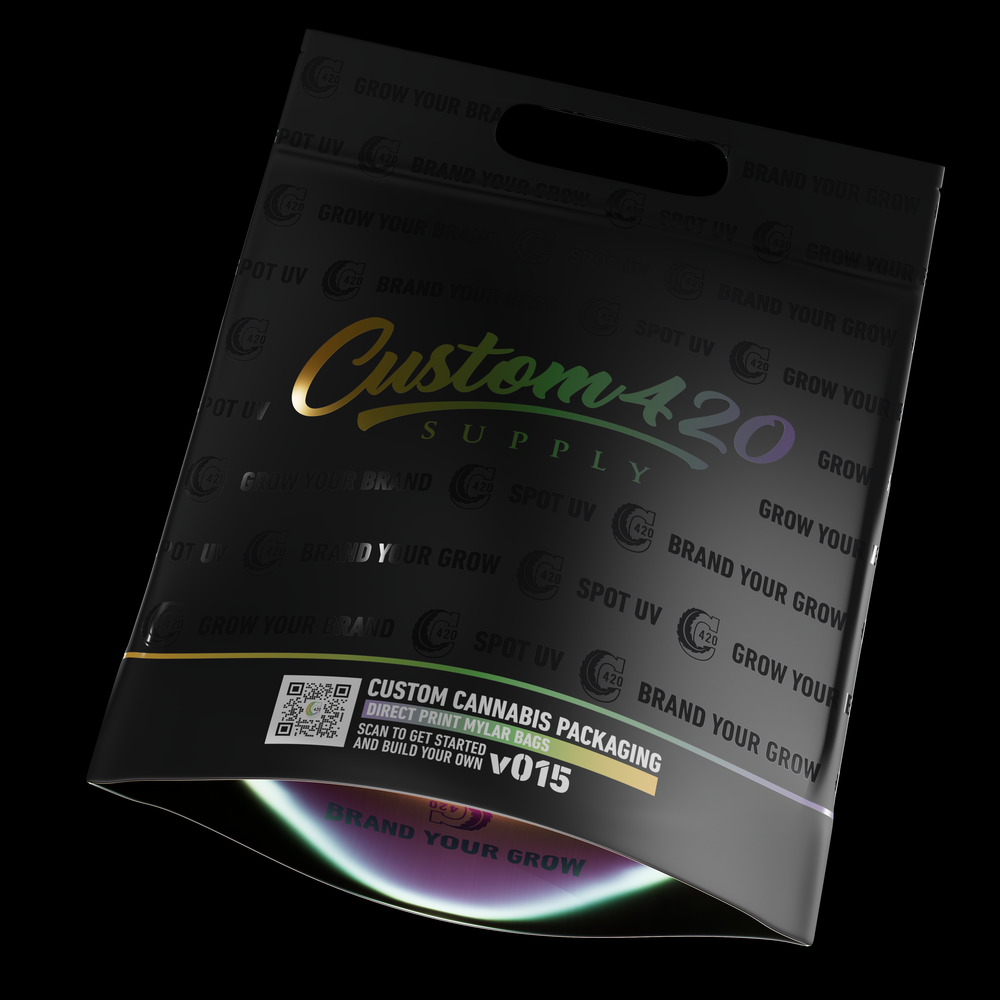
Spot UV (or Spot Gloss) is a gloss UV coating applied to a specific area of your Mylar bag. This spot finish is used against a matte base finish to highlight specific elements or a unique pattern on your bag design and make it pop.
Spot Matte
This is the opposite of a Spot UV (gloss) finish and in conjunction with a bag that utilizes a gloss or metallic base finish. Integrating a Spot Matte layer, you mute the sheen of specific areas of the bag to make portions of the base finish appear more prominently.
Like Spot UV this is often utilized to create unique patterns for a one-of-a-kind design.
Spot Foil
In essence, this would be used to add a metallic spot finish over your base finish. Spot Foiling (or foil stamping) is typically for very specific elements within the bag to make it stand out. For example, displaying a logo and/or tagline in foil to contrast with the base layer.
This spot finish works best on a matte base layer but also works with gloss.
Embossing
This type of spot finish would inherently involve printing the same spot finish as the base layer on top of each other to create a raised look and feel. For example, you can print your logo in gloss on top of the gloss base finish to make your logo slightly elevated from the base layer.
Alternately embossing can be combined with another type of spot finish to maintain its raised feel. It can also add the contrast of a varying finish against the base finish.
Final Word
You can combine gloss and matte finishes on Mylar bags or stick with one. Companies can create visually striking packaging that aligns with brand identity. By choosing the right base finish and adding spot finishes, brands can:
Enhance visual appeal and texture
Highlight key elements
Make products stand out
This layered approach boosts shelf presence, reinforces brand recognition, and creates a memorable customer experience.
Not sure what the best option is for your brand? Custom 420 is here to help. We invite you to reach out through our contact form to learn more.
Do you own a cannabis business in need of packaging solutions? Have you stopped and asked yourself, “How do I find custom Mylar bags near me?”
The difficulty with answering this question is it depends a lot on your location. Admittedly, brands located in metropolitan areas with long-defined cannabis regulations (i.e. Los Angeles, California) will have more access to local custom packaging options.
However, even if your area doesn’t have local options, this doesn’t mean your selection is limited. Most cannabis brands source their packaging from out-of-state through an online retailer. For this reason, this article will look into the top 4 qualities you should expect from purchasing custom-printed Mylar bags.
1.) Does Your Supplier Have Experience in the Cannabis Packaging Industry?
If you’re sourcing cannabis packaging, you’ll want to ensure your supplier has experience within this industry. With that in mind, take note of the following:
What is their cannabis industry expertise? Question if the supplier knows of the industry and its versatile selection of products, from flower to concentrates to edibles. This familiarization will save you time when addressing your brand’s needs.
Are they aware of cannabis regulations? While it depends on where you live, all cannabis state regulations are strict. Many require key design features (i.e. child-resistant packaging, tamper-evident, etc.). A knowledgeable supplier will ensure you won’t run into any legal issues.
What is their client’s success rate? You’ll want to vet whether or not your supplier has a proven track record with other clients. This will ensure they can provide you with effective and innovative Mylar bags for wholesale.
2.) Does Your Supplier Effectively Communicate and Align with Your Values?
The best cannabis packaging supplier will deliver on the following points:
Prompt Communication – You should receive responses from a reputable supplier promptly. This communication should be clear and proactive, preventing avoidable delays and miscommunications.
Aligned Vision and Values – All cannabis brands must develop a brand identity. More often than not, this goes hand-in-hand with your company’s values. You must ask yourself if your supplier can provide packaging that aligns with this identity.
Custom Solutions – All cannabis brands have their own specific needs that must be met. Therefore, you need a supplier that can match your ideas and adjust their services to your requirements. This may mean incorporating an eco-friendly solution or using a specific finish type.
Addressing these points will benefit you for long-term collaboration. You want a cannabis packaging supplier you can rely on and build with as your business and vision continue to grow.
3.) Is Your Supplier Well-Versed in Custom Cannabis Packaging?
Custom packaging can be tricky as there are so many elements at play. The right supplier will ensure all these elements can be addressed for their clients. These may include:
Packaging Types – Can your supplier provide customized Mylar bags, boxes, or other containers?
Distinctive Features – Unique elements you may require, such as child-resistant designs or custom label options.
Materials and Finishes – Choices that elevate your brand design, from sustainable materials to high-end finishes.
4.) Can You Trust Your Supplier for a Long-Term Partnership?
With the above points in mind, you ultimately want a long-term partnership. Imagine choosing a supplier only to find you’re unsatisfied with their delivery. You want a reliable, effective communicator that can meet your brand’s needs and elevate your company.
Not sure where to begin? At Custom 420, we provide custom packaging solutions for brands across the United States. Since we’re located in New England, we may be able to provide custom Mylar bags near you.
We invite you to reach out through our contact form to learn more.
Custom Mylar Bags Near Me FAQs
What should you not store in Mylar bags?
In Mylar bags, you only want to store products with low moisture content. So, unless dehydrated, you’ll want to avoid nuts, meat, or beans.
How long will dry goods last in Mylar bags?
This depends on the product itself. Cannabis flower (and other products) tend to last months to years. However, dried foods (i.e. beans and grain) can last 20 to 30 years.
Can you put too many oxygen absorbers in Mylar bags?
No, you cannot harm a product by putting too many oxygen absorbers into a Mylar bag. If there are extra absorbers, it will simply go unused and have no effect on the product.
When it comes to cannabis packaging, finding the right Mylar bag sizes can be tricky. You need to know several factors about your product, from its content quantity to its type to your storage conditions. Our guide ensures you understand everything you need to know about these different-sized bags.
What are Mylar Bags?
Mylar bags are flexible packaging types made from a polyester film called PET (Polyethylene Terephthalate.) It is then stretched in two directions to create BoPET (Biaxially Oriented Polyethylene Terephthalate). This material is known for its outstanding properties, including:
Chemical stability
Gas and moisture barrier capabilities
High tensile strength
Custom Mylar bags are widely used to preserve the freshness and integrity of various products, thanks to their exceptional ability to block external elements that could compromise quality. Their durability makes them a popular choice in the cannabis industry.
Why Use a Mylar Bag?
The primary purpose of a Mylar bag is to offer a durable and protective packaging solution. It safeguards the contents from external factors that could affect their freshness, integrity, or longevity.
Mylar bags come in a wide range of sizes, making them versatile for various uses. Your size choice should depend on the specific requirements of the stored or packaged items. Below is a summary of common Mylar bag sizes and their typical applications:
Small (3”x5” to 6”x9”)
Smaller Mylar bags are ideal for:
Single servings
Displaying samples
Storing small items (i.e. herbs, spices, or seeds)
You can commonly find them in the following industries:
Herbal supplement
Cosmetic
Food
If you’re in the cannabis industry, this is an ideal 3.5 Mylar bag choice.
Medium (8”x10” to 12”x16”)
Medium bags are suitable for packaging larger quantities of items, such as:
Snacks
Pet treats
Small electronic components
You can commonly find them in the following industries:
Electronics
Veterinary care
Food
If you’re in the marijuana industry, you’d use a medium Mylar bag for one ounce.
Large (16”x18” and above)
Large bags are designed for packaging large quantities of items, such as:
Grains
Bulk foods
Larger electronic devices
You can commonly find them in the following industries:
Agriculture
Food processing
Electronics
If you’re in the cannabis industry, these would be a 1-pound Mylar bag size.
Custom Size Mylar Bags
Mylar bags can be customized to meet specific size requirements for unique items or applications. Choosing the right size ensures the contents fit properly without excess space, which could lead to spoilage or insufficient protection.
When selecting a size, it’s important to consider the following factors:
Content quantity
Product type
Storage conditions
Furthermore, eco-friendly and customizable options enhance the versatility and appeal of Mylar bags. Choosing the right size based on the specific needs and characteristics of the contents ensures optimal protection and presentation.
Best Thickness for Mylar Bags
You’ll want to choose the appropriate thickness of your Mylar bags based on the package dimensions and storage duration. Thicker bags are recommended for long-term storage as they provide greater durability.
While smaller-sized Mylar bags are usable for short-term storage, they may be more prone to tearing. To avoid tearing, we recommend ensuring thickness is no less than 4.5 mil.
Final Word
Whether you’re packaging cannabis or a food item, finding the right Mylar bag size is essential. Since there are so many to choose from, it may confuse newcomers.
If you feel concerned, we’re here to help! At Custom 420, we ensure you receive the best Mylar bag size for your brand’s needs. We invite you to reach out through our contact form to learn more.
Mylar Bag Sizes FAQs
What size Mylar bag do I need?
This ultimately depends on your needs. To get a personalized quote, we recommend reaching out through our contact form.
What size oxygen absorber for 1 gallon Mylar bag?
For 1-gallon bags, it’s recommended you use 1-2 oxygen absorbers with a capacity of 300cc each.
What’s the best size Mylar bag for food storage?
For foods like flour, sugar, or salt, 4 mil gallon bags are the most popular. For foods like pasta, granola, or beef jerky, 5.5 mil bags are preferred.