Best Cannabis Packaging Company for Modern Brands

Best Cannabis Packaging Company for Modern Brands

How a Specialized Cannabis Packaging Company Saves Time, Money and Compliance Stress 

The cannabis industry moves fast, and packaging mistakes can become expensive very quickly. From changing state regulations to branding demands and supply chain delays, cannabis businesses face constant pressure to stay compliant while standing out on crowded dispensary shelves. 

That is why more brands are partnering with a specialized cannabis packaging company instead of relying on generic packaging suppliers. 

A cannabis focused packaging partner does more than print labels or manufacture containers. They help brands stay compliant, reduce operational costs, improve shelf appeal, and simplify the entire packaging process. 

In this guide, we explain how working with a dedicated cannabis packaging supplier can save your business time, money, and unnecessary legal risks. 

Why Generic Packaging Suppliers Often Fail Cannabis Brands 

Cannabis packaging is very different from traditional retail packaging. Every state has different compliance requirements, warning labels, child resistant rules, and packaging restrictions. 

A generic packaging supplier may not fully understand: 

  • ASTM child resistant standards 
  • Opaque packaging requirements 
  • Tamper evident packaging laws 
  • State specific cannabis warning labels 
  • Child appeal restrictions 
  • THC symbol placement requirements 

Mistakes in any of these areas can result in: 

  • Product recalls 
  • Packaging reprints 
  • Regulatory fines 
  • Delayed product launches 
  • Compliance violations 

A specialized cannabis packaging company already understands these regulations and builds compliance directly into the packaging process. 

Benefits of Working With Cannabis Packaging Specialists 

ASTM certified child resistant packaging 
State specific compliance support 
Tamper evident packaging solutions 
Opaque and smell proof packaging options 
Cannabis specific design expertise 
Faster packaging approvals 

How a Cannabis Packaging Company Saves You Money 

Many cannabis businesses assume that specialized suppliers cost more. In reality, experienced cannabis packaging companies often help brands reduce overall operational costs. 

Lower Compliance Risk 

Non compliant packaging can force brands to: 

  • Reprint labels 
  • Replace containers 
  • Destroy inventory 
  • Delay product launches 

Cannabis packaging specialists reduce these costly mistakes by ensuring packaging meets state regulations from the beginning. 

Lower Minimum Order Quantities 

Many cannabis packaging suppliers offer flexible minimum order quantities that help smaller brands avoid over ordering inventory. 

This allows businesses to: 

  • Test new product lines 
  • Launch seasonal products 
  • Reduce storage costs 
  • Improve cash flow management 

Consolidated Packaging Solutions 

Instead of managing multiple vendors, a full service cannabis packaging company can provide: 

  • Custom cannabis jars 
  • Custom mylar bag printing 
  • Pre roll packaging 
  • Labels 
  • Exit bags 
  • Vape packaging 
  • Boxes and inserts 

Working with one supplier simplifies operations and lowers shipping and management costs. 

Compliance Is One of the Biggest Challenges in Cannabis Packaging 

Cannabis regulations continue to evolve across the United States. Packaging laws change frequently, and non compliant products can quickly become a legal issue. 

A trusted cannabis packaging supplier stays updated with: 

  • State specific cannabis laws 
  • Child resistant requirements 
  • Labeling regulations 
  • Packaging material restrictions 
  • THC symbol updates 
  • Tamper evident standards 

This proactive support helps cannabis brands avoid compliance problems before they happen. 

Instead of reacting to violations, businesses can confidently launch products knowing their packaging already meets industry requirements. 

Cannabis Specific Design Expertise Matters 

Packaging plays a major role in cannabis branding. In dispensaries, products compete for attention in highly crowded display environments. 

A cannabis focused packaging company understands: 

  • Cannabis consumer preferences 
  • Premium dispensary aesthetics 
  • Compliance friendly layouts 
  • Strain specific branding 
  • Potency labeling systems 
  • Terpene and cannabinoid information placement 

This experience allows brands to create packaging that looks professional while remaining legally compliant. 

Custom Cannabis Jars Help Products Stand Out 

Custom cannabis jars are one of the most effective ways to improve shelf appeal and brand recognition. 

Popular customization options include: 

  • Matte and gloss finishes 
  • Embossed lids 
  • UV printing 
  • Frosted glass 
  • Child resistant closures 
  • Direct print branding 
  • Metallic accents 

Premium custom cannabis jars instantly communicate quality and professionalism to consumers. 

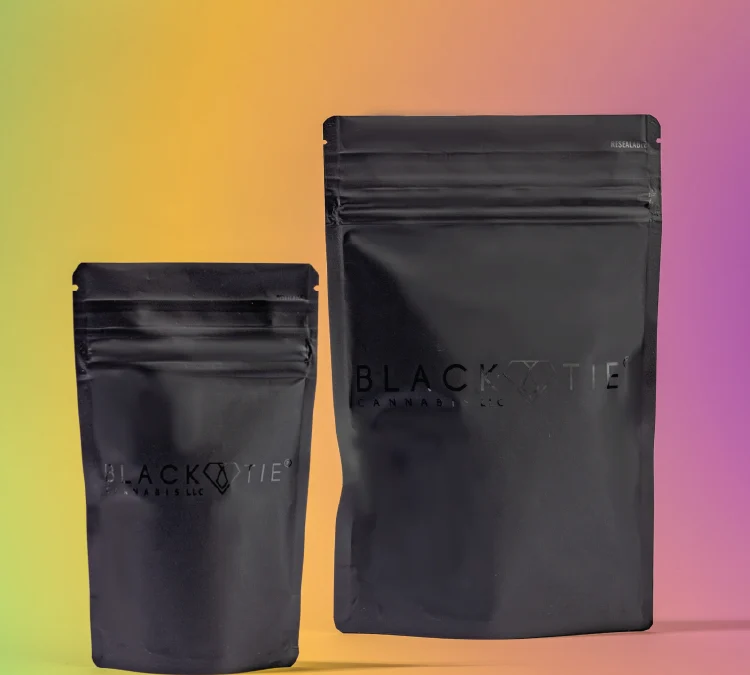
Custom mylar bags remain one of the most popular cannabis packaging solutions because they are: 

  • Lightweight 
  • Smell proof 
  • Cost effective 
  • Durable 
  • Easy to transport 
  • Highly customizable 

Modern custom mylar bag printing includes: 

  • Full color graphics 
  • Spot UV finishes 
  • Child resistant zippers 
  • Holographic effects 
  • Matte soft touch finishes 
  • Compliance ready layouts 

For many cannabis brands, custom mylar bags provide the ideal balance between branding, protection, and affordability. 

Full Service Cannabis Packaging Solutions Simplify Operations 

Managing separate vendors for jars, labels, boxes, and bags creates unnecessary complexity. 

A full service cannabis packaging company helps brands: 

  • Maintain consistent branding 
  • Speed up production timelines 
  • Simplify reorders 
  • Improve communication 
  • Reduce supplier management issues 

Instead of coordinating multiple companies, businesses work with one experienced partner who understands the entire cannabis packaging process. 

Specialized Cannabis Packaging Company vs Generic Supplier 

Factor Cannabis Packaging Company Generic Supplier 
Compliance Knowledge Advanced cannabis expertise Limited understanding 
Child Resistant Packaging Certified solutions Often unavailable 
Cannabis Branding Experience Extensive Minimal 
Custom Cannabis Jars Wide range available Limited options 
Custom Mylar Bag Printing Fully customized Basic printing only 
Regulatory Updates Proactive support Reactive approach 
Low Minimum Orders Flexible Often high 
Turnaround Time Faster production Slower outsourcing 

Sustainable Cannabis Packaging Is Growing Fast 

Consumers increasingly prefer environmentally friendly cannabis packaging solutions. 

Modern cannabis packaging companies now offer: 

  • Recyclable boxes 
  • Compostable packaging 
  • Hemp based paper materials 
  • Eco friendly labels 
  • Biodegradable mylar alternatives 

Sustainable packaging not only reduces environmental impact but also improves brand reputation among environmentally conscious consumers. 

Why Brands Choose Custom 420 Supply 

Custom 420 Supply helps cannabis brands across the USA create compliant, premium quality cannabis packaging solutions designed specifically for the cannabis industry. 

What Custom 420 Supply Offers 

Custom cannabis jars 
Custom mylar bag printing 
Child resistant packaging 
In house design support 
Low minimum order quantities 
Fast production turnaround 
Compliance focused packaging solutions 
Premium branding options 

Whether you are launching a new cannabis brand or expanding an existing product line, Custom 420 Supply provides scalable packaging solutions built for long term growth. 

Final Thoughts 

Working with a specialized cannabis packaging company is no longer optional for serious cannabis brands. The right packaging partner helps businesses reduce compliance risks, improve branding, lower operational costs, and simplify supply chain management. 

From custom cannabis jars to premium custom mylar bag printing, experienced cannabis packaging suppliers provide the tools brands need to compete successfully in a rapidly growing market. 

If you want compliant, professional, and visually powerful cannabis packaging solutions, partnering with an experienced supplier like Custom 420 Supply can give your brand a major competitive advantage.

Wholesale Mylar Bags & Custom Die Cut Mylar Bags: The Ultimate Guide for Brands in 2026 

Wholesale Mylar Bags & Custom Die Cut Mylar Bags: The Ultimate Guide for Brands in 2026 

In today’s highly competitive retail market, packaging is no longer just a protective layer it has become one of the most powerful branding and marketing tools available. Whether you operate a cannabis brand, food business, supplement company, cosmetic label, or specialty retail store, the right packaging directly impacts customer perception, shelf visibility, and product freshness. 

This is why businesses across multiple industries are investing heavily in wholesale mylar bags and custom die cut mylar bags. These packaging solutions combine durability, product protection, premium branding, and cost efficiency into one versatile package. 

In this complete 2026 guide, you’ll learn everything about wholesale mylar bags, including materials, customization options, industry applications, pricing, supplier selection, and how custom die cut mylar bags can help your brand stand out in crowded retail environments. 

What Are Mylar Bags? 

Mylar is a high-performance polyester film officially known as BoPET (biaxially-oriented polyethylene terephthalate). It is widely used in flexible packaging because of its superior resistance to moisture, oxygen, UV rays, odors, and temperature fluctuations. 

Most wholesale mylar bags are manufactured using multiple protective layers, including: 

  • PET or BoPET film 
  • Aluminum foil barrier layers 
  • Food-grade polyethylene inner lining 

This layered structure creates airtight, smell-proof, and moisture-resistant packaging that significantly extends product shelf life. 

Businesses choose wholesale Mylar bags because they provide: 

  • Excellent product protection 
  • Long-term freshness preservation 
  • Tamper resistance 
  • Smell-proof storage 
  • Lightweight and durable packaging 
  • Affordable bulk pricing 
  • Professional retail presentation 

From food storage to cannabis packaging, mylar bags have become one of the most trusted packaging solutions worldwide. 

Why Businesses Buy Wholesale Mylar Bags 

Ordering wholesale mylar bags in bulk helps businesses reduce packaging costs while maintaining consistent quality and branding. 

The biggest advantages include: 

Lower Packaging Costs 

Bulk orders significantly reduce per-unit pricing. Many manufacturers offer discounted pricing tiers for larger quantities, making wholesale ordering ideal for both startups and established brands. 

Better Product Protection 

Mylar’s barrier properties protect products from: 

  • Oxygen exposure 
  • Moisture damage 
  • UV light 
  • External contamination 
  • Odor leakage 

This is especially important for food, supplements, pharmaceuticals, and cannabis products. 

Stronger Brand Identity 

Custom printed wholesale mylar bags help brands create a professional appearance while improving customer recognition and shelf appeal. 

Regulatory Compliance 

Many industries require child-resistant, tamper-evident, or food-safe packaging. Wholesale mylar bags can be manufactured to meet FDA and CPSC compliance standards. 

What Are Custom Die Cut Mylar Bags? 

Custom die cut mylar bags are advanced packaging solutions designed in unique custom shapes instead of standard rectangular pouches. 

Using precision die-cutting technology, manufacturers can create packaging shaped like: 

  • Brand logos 
  • Product silhouettes 
  • Characters 
  • Animals 
  • Fruits 
  • Leaves 
  • Bottles 
  • Custom illustrations 

These custom shapes immediately capture customer attention and increase product visibility on retail shelves. 

For example: 

  • Cannabis brands often use logo-shaped packaging 
  • Candy brands create gummy-shaped bags 
  • Tea companies use leaf-shaped pouches 
  • Pet brands use bone-shaped packaging 

Custom die cut mylar bags combine premium printing with unique shapes to create packaging that acts as a silent salesperson for your product. 

Materials Used in Wholesale Mylar Bags 

Choosing the right material is essential for product protection and brand positioning. 

PET / BoPET Film 

PET film is the core material used in most wholesale mylar bags. It provides: 

  • High tensile strength 
  • Moisture resistance 
  • Oxygen protection 
  • Long shelf life 

This material is ideal for food, cannabis, pharmaceutical, and supplement packaging. 

Metalized Mylar Film 

Metalized mylar includes an aluminum foil barrier layer that offers maximum protection against light and oxygen. 

Benefits include: 

  • Superior freshness preservation 
  • Smell-proof storage 
  • Enhanced durability 
  • Premium metallic appearance 

This option is commonly used for cannabis, coffee, and pharmaceutical products. 

Kraft Mylar Bags 

Kraft mylar combines eco-friendly kraft paper exteriors with protective mylar interiors. 

These bags are popular among sustainable brands because they offer: 

  • Natural appearance 
  • Recyclable outer materials 
  • Strong barrier protection 
  • Premium organic branding 

Kraft mylar bags are commonly used for organic foods, tea, coffee, and wellness products. 

Customization Options for Custom Die Cut Mylar Bags 

One of the biggest advantages of custom die cut mylar bags is the wide range of customization options available. 

Custom Shapes & Sizes 

Manufacturers can produce virtually any shape or size, including: 

  • Logo-shaped bags 
  • Custom silhouettes 
  • Stand-up pouches 
  • Flat pouches 
  • Mini sample packs 
  • Large bulk packaging 

Common sizes range from 3×5 inches to 16×18 inches. 

Premium Printing Options 

Modern printing technologies allow brands to create visually striking packaging using: 

  • Digital printing 
  • Flexographic printing 
  • Full-color CMYK graphics 
  • Metallic inks 
  • Holographic effects 

Brands can also add: 

  • QR codes 
  • Nutritional labels 
  • Compliance warnings 
  • Product instructions 
  • Promotional messaging 

Finishes & Textures 

Premium finishes help packaging stand out even more. 

Popular options include: 

  • Matte finish 
  • Gloss lamination 
  • Soft-touch coating 
  • Spot UV 
  • Foil stamping 
  • Embossing 
  • Debossing 

Closures & Functional Features 

Wholesale mylar bags can include: 

  • Resealable zippers 
  • Tear notches 
  • Hang holes 
  • Child-resistant locks 
  • Transparent windows 
  • Heat-seal tops 

These features improve both convenience and compliance. 

Industries That Use Wholesale Mylar Bags 

Food & Snack Packaging 

Food brands use wholesale mylar bags for: 

  • Coffee 
  • Dried fruits 
  • Protein powders 
  • Spices 
  • Chips 
  • Freeze-dried meals 
  • Candy 

Mylar packaging helps preserve flavor, freshness, and shelf life. 

Cannabis & Hemp Packaging 

Cannabis companies rely heavily on custom die cut mylar bags because they offer: 

  • Smell-proof storage 
  • Child-resistant options 
  • Tamper evidence 
  • High-end branding opportunities 

Unique shapes help dispensary products stand out in competitive markets. 

Cosmetics & Skincare 

Beauty brands use mylar packaging for: 

  • Bath salts 
  • Powders 
  • Face masks 
  • Sample packs 
  • Cosmetic refills 

Premium finishes support luxury brand positioning. 

Pharmaceutical & Supplement Packaging 

Supplements and pharmaceutical products require contamination-free packaging with strong moisture resistance and compliance support. 

Wholesale mylar bags help maintain product integrity while meeting safety standards. 

Pet Food & Treat Packaging 

Pet brands use printed mylar bags to preserve freshness while creating attractive retail packaging for treats and food products. 

Wholesale Mylar Bags vs. Custom Die Cut Mylar Bags 

Feature 

Wholesale Mylar Bags 

Custom Die Cut Mylar Bags 

Shape 

Standard pouch designs 

Fully customized shapes 

Branding Impact 

Moderate 

Very high 

Cost Per Unit 

Lower 

Slightly higher 

MOQ 

Usually 100–500 units 

Typically starts at 100 units 

Shelf Appeal 

Good 

Excellent 

Best For 

Bulk storage & standard retail 

Premium branding & product differentiation 


How to Order Wholesale Mylar Bags 

1. Define Product Requirements 

Determine: 

  • Product dimensions 
  • Weight capacity 
  • Barrier requirements 
  • Compliance needs 

2. Choose Your Packaging Style 

Select from: 

  • Flat pouches 
  • Stand-up pouches 
  • Custom die cut mylar bags 

3. Select Materials & Finishes 

Choose the material and finish that best supports your product and branding goals. 

4. Submit Artwork 

Most suppliers accept: 

  • AI files 
  • PSD files 
  • Print-ready PDFs 

Artwork should be at least 300 DPI for high-quality printing. 

5. Request Samples or Mockups 

Always review physical samples or digital proofs before approving full production. 

6. Confirm Production & Shipping 

Reliable suppliers typically deliver orders within 6–10 business days after artwork approval. 

What to Look for in a Mylar Bag Supplier 

Choosing the right supplier is critical for product quality and long-term brand success. 

Material Quality 

Ensure the supplier uses: 

  • FDA-approved materials 
  • Food-grade layers 
  • Certified barrier films 

Customization Flexibility 

The best suppliers offer: 

  • Low minimum order quantities 
  • Multiple print options 
  • Flexible sizes and shapes 
  • Premium finishes 

Transparent Pricing 

Watch for hidden costs such as: 

  • Die fees 
  • Setup charges 
  • Rush production fees 

Fast Turnaround Times 

Leading manufacturers typically complete production within 6–10 business days. 

Design Support 

Professional suppliers provide: 

  • Free mockups 
  • Packaging consultation 
  • Artwork assistance 

Sustainable Packaging Options 

Eco-conscious businesses should look for: 

  • Recyclable materials 
  • Kraft mylar packaging 
  • Eco-friendly inks 

Benefits of Custom Die Cut Mylar Bags 

Stronger Shelf Presence 

Unique shapes instantly attract customer attention and improve brand memorability. 

Longer Product Freshness 

The multi-layer barrier system protects products from moisture, oxygen, odors, and UV exposure. 

Higher Perceived Value 

Premium packaging increases perceived product quality and supports premium pricing strategies. 

Improved Marketing ROI 

Every package acts as a branded marketing tool featuring your logo, social handles, QR codes, and promotional messaging. 

Better Customer Experience 

Features like resealable zippers and easy-open tear notches improve convenience and customer satisfaction. 

Packaging Trends in 2026 

The packaging industry continues evolving rapidly. The biggest trends in 2026 include: 

  • Sustainable kraft mylar packaging 
  • Holographic and metallic finishes 
  • Smart packaging with QR integration 
  • Child-resistant cannabis packaging 
  • Minimalist luxury designs 
  • Digital short-run printing 
  • Matte soft-touch finishes 
  • Recyclable flexible packaging solutions 

Brands investing in innovative packaging designs are seeing stronger customer engagement and higher repeat purchases. 

Conclusion 

Wholesale mylar bags and custom die cut mylar bags offer the perfect combination of product protection, branding power, and cost efficiency for modern businesses. 

Whether you sell food products, supplements, cannabis items, cosmetics, or pet products, high-quality custom packaging can dramatically improve shelf visibility, customer perception, and product freshness. 

By partnering with a reliable packaging manufacturer that offers FDA-compliant materials, flexible customization, transparent pricing, and fast turnaround times, your business can create premium packaging that drives both sales and brand recognition in 2026 and beyond.

How to Design Custom Mylar Bags for Cannabis Brands

How to Design Custom Mylar Bags for Cannabis Brands

In the cannabis industry, packaging is more than product protection — it is branding, shelf appeal, and customer recognition combined into one. Before customers evaluate potency or read product details, they notice the packaging. The colors, texture, finish, and overall design of your bag communicate your brand identity within seconds. 

Custom mylar bags have become the preferred packaging solution for cannabis brands because they preserve freshness while providing a full-surface branding opportunity. Unlike generic packaging, custom weed bags help businesses stand out on crowded dispensary shelves, reinforce brand recognition, and create memorable customer experiences. 

Whether you are launching a new cannabis product or updating an existing line, designing effective custom mylar packaging requires more than attractive graphics. This guide covers the essential design decisions that help cannabis brands create packaging that reflects their identity while remaining compliant and retail-ready. 

Start With Your Brand Identity, Not the Bag 

One of the most common mistakes cannabis brands make is designing packaging before defining their brand identity. Without a clear direction, packaging often feels inconsistent or disconnected from the overall business. 

Before working with a packaging supplier or opening a design file, consider these questions: 

  • Who is your ideal customer?  
  • Is your audience medical, wellness-focused, or recreational?  
  • What values define your brand?  
  • Do you want your brand to feel premium, natural, modern, or energetic?  
  • What emotional response should customers have when they hold your product?  

The answers shape every packaging decision. Strong cannabis mylar bags are not designed for everyone. They are designed intentionally for a specific audience and brand experience. 

Why Packaging Matters in Cannabis Retail 

In dispensaries, purchasing decisions often happen quickly. Packaging becomes a silent salesperson working before conversations even begin. 

Studies across retail industries consistently show that packaging design influences buying decisions and brand recall. Cannabis consumers are no different. When multiple products compete for attention, professionally designed printed mylar bags help establish trust and perceived value. 

Effective cannabis packaging can: 

  • Improve shelf visibility  
  • Increase brand recognition  
  • Support premium pricing  
  • Encourage repeat purchases  
  • Build customer loyalty  

Great packaging does more than hold cannabis. It creates a recognizable experience customers remember. 

Choosing Colors That Work for Cannabis Packaging 

Color is one of the most powerful branding tools available, especially for cannabis packaging where shelf competition is intense. 

Build From Your Existing Brand Palette 

If your business already has defined brand colors, maintain consistency across your website, social media, labels, and custom cannabis packaging. Repetition builds familiarity and strengthens brand recognition. 

Understand Color Psychology 

Colors communicate positioning and personality. 

  • Deep greens and earth tones suggest natural or heritage-focused products  
  • Black and gold communicate luxury and premium quality  
  • Bright colors suggest creativity and energy  
  • Soft tones and pastels work well for wellness and CBD-focused lines  

Intentional color selection helps your packaging communicate purpose rather than simply appearance. 

Prioritize Contrast and Readability 

Compliance labeling requires clear visibility. 

Use strong contrast between text and background so warning labels, THC information, and product details remain easy to read. Poor contrast can create compliance issues and reduce professionalism. 

Logo Placement and Typography 

Your logo is the foundation of your packaging design. 

Front Panel Visibility 

The front center or upper section of custom mylar bags receives the most attention. Position your logo where it remains clearly visible with adequate spacing around it. 

Avoid overcrowding the primary branding area. 

Maintain Consistency Across SKUs 

Brands offering multiple strains or product categories should keep logo placement and visual hierarchy consistent. 

Instead of redesigning the brand identity for each product, vary: 

  • Secondary colors  
  • Strain graphics  
  • Product names  
  • Supporting artwork  

This approach creates a unified product family while preserving differentiation. 

Typography Matters 

Fonts influence perception. 

  • Serif fonts feel classic and trustworthy  
  • Sans-serif fonts feel modern and clean  
  • Bold display fonts attract attention  

Decorative fonts may work for branding but should never reduce readability of compliance information. 

Finishes and Materials That Elevate Custom Mylar Bags 

Packaging is visual and tactile. The physical feel of custom weed bags contributes significantly to perceived quality. 

Matte Finish 

Matte laminate creates a refined and premium appearance. 

It works especially well for: 

  • Wellness brands  
  • Luxury positioning  
  • Minimalist packaging  

Matte surfaces reduce glare and photograph well. 

Gloss Finish 

Gloss laminate creates stronger shelf visibility. 

It performs well with: 

  • Vibrant colors  
  • Photography  
  • High-energy branding  

Gloss remains one of the most popular and cost-effective finish choices. 

Spot UV 

Spot UV creates contrast by applying gloss to selected design elements. 

This finish works particularly well for: 

  • Logos  
  • Product names  
  • Decorative graphics  

The texture and visual contrast immediately enhance packaging appeal. 

Foil Stamping 

Foil stamping communicates luxury and craftsmanship. 

Popular choices include: 

  • Gold foil  
  • Silver foil  
  • Holographic foil  

Foil accents are especially effective for premium or limited-edition cannabis products. 

Holographic Film 

Holographic child resistant mylar bags create eye-catching light reflection and strong shelf impact. 

They appeal particularly to: 

  • Youthful audiences  
  • Trend-forward brands  
  • Limited releases  
  • High-visibility retail environments  

Used strategically, holographic packaging becomes difficult to ignore. 

Designing Within State Compliance Requirements 

Cannabis packaging design must balance creativity with regulation. 

Most states restrict packaging elements that appeal to children, including: 

  • Cartoon characters  
  • Candy-like imagery  
  • Toy-inspired designs  

Many markets also require: 

  • Specific warning language  
  • Minimum font sizes  
  • Universal cannabis symbols  
  • Dedicated compliance panels  

The most practical strategy is building compliance into your packaging system from the beginning. 

Reserve designated space for: 

  • Health warnings  
  • THC details  
  • Required symbols  
  • Regulatory information  

Working with suppliers experienced in cannabis mylar packaging helps prevent expensive production delays and compliance issues. 

Preparing Artwork Files for Production 

Even strong designs can fail during production if artwork is improperly prepared. 

Most suppliers request: 

  • AI or EPS vector files  
  • 300 DPI embedded images  
  • Outlined fonts  
  • Bleed margins  
  • Supplier dieline templates  

Always design using the supplier’s dieline rather than creating custom dimensions independently. 

For brands with multiple SKUs, template-based packaging systems provide the greatest efficiency. Keeping logo placement, compliance zones, and overall brand architecture consistent reduces costs while maintaining professional cohesion. 

Common Mistakes to Avoid in Mylar Bag Design 

Many cannabis packaging projects fail because of preventable design mistakes. 

Avoid: 

  • Overcrowded layouts  
  • Weak contrast  
  • Inconsistent branding  
  • Ignoring compliance requirements  
  • Excessive decorative fonts  
  • Designing without dielines  
  • Prioritizing aesthetics over usability  

Good packaging balances creativity with functionality. 

Final Thoughts: Your Packaging Is Your Brand 

In the cannabis industry, product quality gets customers interested, but branding keeps them coming back. 

Custom mylar bags provide more than smell-proof or child-resistant storage. They create a branded customer experience that builds recognition and strengthens loyalty long after purchase. 

The most successful cannabis brands approach packaging with intention, consistency, and strategic design thinking. 

Whether you need matte child-resistant pouches, holographic weed bags, or fully custom cannabis packaging, Custom 420 Supply can help you create compliant, shelf-ready packaging built around your brand identity. 

Contact Custom 420 Supply today to start designing custom mylar bags that truly represent your cannabis brand.

Frequently Asked Questions

What file format do I need to submit for custom mylar bag printing?

Most printing partners require vector artwork in AI or EPS format with all fonts outlined and images embedded. Your files should include bleed and be built to the supplier’s provided dieline template. Submitting a PDF alongside the source file helps the production team verify how the design will look before printing. 

Can I match my exact brand colors on custom mylar bags?

Yes. If you have specific Pantone colors that define your brand palette, you can request spot color printing to ensure precise color matching. Standard digital printing uses CMYK, which produces excellent results for most designs, but for brands with exact color standards, discussing spot color options with your supplier is the right approach. 

How do I keep my packaging consistent across multiple strains or SKUs?

The most effective method is a template-based design system. Build your base packaging with your brand architecture, logo, and compliance zones established. Then create strain-specific versions by adjusting secondary colors, imagery, or name treatment within the template. This keeps your line visually unified while differentiating individual products clearly. 

Do premium finishes like foil or spot UV add a lot to the cost?

They do add cost, but often less than brands expect, particularly at higher order quantities. Spot UV is one of the most accessible premium finishes and dramatically elevates the perceived value of the packaging. Foil stamping and holographic films add more to unit cost but can be used selectively on select product tiers or limited editions to justify a higher price point. 

Can I add a child-resistant closure without affecting my design?

Yes. Child-resistant zipper mechanisms are built into the bag construction and do not interfere with the printed surface. Your design can extend across the full front and back panels, gussets, and even interior surfaces without the CR feature limiting your creative options. 

Before and After: Cannabis Packaging Redesigns That Work

Before and After: Cannabis Packaging Redesigns That Work

Cannabis packaging redesign has become a defining factor in how modern cannabis brands compete for attention and trust. The industry has shifted quickly from fragmented local markets with improvised branding to a regulated, consumer-driven landscape where packaging directly affects purchase decisions.

Today, a cannabis product packaging update is more than a visual refresh. It’s a business move that shapes brand credibility, supports regulatory compliance, drives shelf appeal, and strengthens long-term brand value.

In this article, we break down what makes packaging redesigns effective, why brands decide to update their packaging, and what actually changes between before-and-after redesigns that perform well in the market.

What is a Cannabis Packaging Redesign?

A cannabis packaging redesign is the process of updating a product’s packaging so it better supports brand goals, meets regulatory standards, and aligns with current consumer expectations. This process goes beyond surface-level aesthetics and focuses on how packaging functions in real retail environments.

A redesign may involve changes to:

  • Visual identity, including color palettes, typography, and imagery.
  • Structural elements, such as containers, materials, and packaging formats.
  • Messaging and information hierarchy, ensuring key details are easy to scan and understand.
  • Compliance-focused labeling, including required warnings, symbols, and legal disclosures.

Some redesigns involve small refinements, like adjusting fonts or improving label clarity. Others require a full overhaul that repositions the brand entirely. In both cases, the goal remains the same: to create packaging that performs better on shelves while staying compliant in a tightly regulated market.

Why Cannabis Brands Redesign Their Packaging

Most cannabis packaging redesigns happen in response to specific business pressures. As brands scale, compete for shelf space, and operate under tighter regulations, packaging often becomes a limiting factor rather than a strength. The reasons below consistently appear across high-performing redesigns because they reflect real operational and market challenges.

Outdated or Amateur Branding

Many early cannabis brands rushed products to market when legalization opened new opportunities. Design quality often took a back seat to speed. As the market matured, those early visuals began to signal risk instead of credibility.

A packaging redesign helps brands communicate stability, trust, and professionalism.

Before: Loud colors, stock imagery, inconsistent fonts.

After: Cohesive branding, refined typography, intentional color systems.

Regulatory and Compliance Changes

Cannabis packaging regulations change often and vary by state. Updates to child-resistant requirements, warning icons, dosage disclosures, and label layouts regularly force brands to revisit their packaging structure and design.

Before: Compliance added late in the process.

After: Compliance built into the design from the start.

Shifting Target Audiences

As cannabis brands grow, their audience often changes. A company may expand from recreational buyers into wellness-focused consumers, medical patients, or premium shoppers. Packaging that worked for one group may alienate another.

Before: Youth-driven, novelty-heavy visuals.

After: Clean layouts, wellness cues, trust-focused messaging.

Poor Shelf Differentiation

Dispensary shelves are crowded and fast-moving. If packaging doesn’t clearly explain what a product is and why it matters, it gets overlooked. Many cannabis packaging redesigns focus on improving hierarchy, contrast, and readability at a glance.

Before: Too many elements competing for attention.

After: Clear focal points, simplified layouts, strong product cues.

Why Cannabis Brands Redesign Their Packaging

What Successful Cannabis Packaging Redesigns Have in Common

While cannabis brands differ in tone, price point, and audience, the most effective packaging redesigns follow the same core principles. These shared traits show up consistently across redesigns that improve shelf performance, clarity, and consumer trust.

Clear Brand Positioning

Strong cannabis packaging refresh ideas start with a clear answer to one question: What does this brand stand for? Whether a brand is premium or affordable, medical or lifestyle-focused, craft or large-scale, the packaging should reinforce one position without mixed signals.

When positioning is clear, every design choice (color, typography, layout) supports that message. This clarity helps consumers understand the product quickly and decide if it fits their needs.

Improved Readability and Information Hierarchy

Consumers make decisions fast, especially in dispensaries. Successful cannabis packaging redesigns reorganize content so the most important details appear first and are easy to scan.

A common hierarchy includes:

  • Product name as the primary focus.
  • Potency and dosage are placed next for quick evaluation.
  • Supporting details, such as strain type and effects, are placed last.

This structure reduces cognitive load, limits confusion, and builds confidence at the point of sale.

Modernized Visual Language

Many redesigns move away from dated visual cues like heavy leaf graphics, neon colors, or cluttered layouts. Instead, they use intentional design choices that reflect how consumers view cannabis today.

Modernization does not require minimal design. It requires consistency, restraint, and a visual system that matches the brand’s positioning and audience expectations.

Compliance Embedded Into Design

High-performing cannabis packaging redesigns account for compliance early in the process. Required warnings, symbols, and disclosures are planned into the layout instead of being added at the end.

This approach keeps packaging balanced and readable. It also prevents compliance elements from overpowering the brand message or disrupting hierarchy.

Before and After: Cannabis Packaging Redesign Examples That Work

Every brand approaches change differently, but clear patterns appear when comparing packaging before and after a cannabis packaging redesign. The examples below show how targeted design decisions lead to measurable improvements in perception, clarity, and shelf performance.

Example 1: From Generic to Premium

Before:

  • Plastic containers with inconsistent labeling.
  • Heavy use of bold colors with no visual hierarchy.
  • Little to no brand story or differentiation.

After:

  • Higher-quality materials and refined finishes.
  • A controlled, cohesive color palette.
  • Clear brand voice and defined positioning.

Why it worked:

The packaging redesign aligned the product’s appearance with premium pricing. Consumers could quickly see and feel the added value, which made the cost easier to justify.

Example 2: From Recreational to Wellness-Focused

Before:

  • Playful graphics and slang-driven language.
  • Limited visibility into dosage and effects.

After:

  • Clean layouts with clinical clarity.
  • Clear emphasis on ingredients, benefits, and transparency.

Why it worked:

The redesigned packaging spoke directly to wellness-focused consumers who prioritize trust, consistency, and clear information over novelty or humor.

Example 3: From Loud to Legible

Before:

  • Multiple competing fonts.
  • Dense blocks of text with no clear hierarchy.

After:

  • Simplified typography systems.
  • Clear sections supported by spacing and contrast.

Why it worked:

Improved legibility made the product easier to understand in seconds. That clarity increased shelf visibility and reduced hesitation at the point of sale.

Cannabis Packaging Redesign Examples That Work

The Role of Compliance in Packaging Redesign

Compliance plays a central role in every cannabis packaging redesign. Regulations are strict, state-specific, and actively enforced. When brands treat compliance as an afterthought, redesigns often stall, require reprints, or fail at retail.

Effective redesigns begin with a clear understanding of legal requirements and build design systems around them. This approach reduces risk and prevents last-minute changes that disrupt layout and readability.

Key compliance factors typically include:

  • State-specific warning symbols and required language.
  • Child-resistant packaging standards.
  • Accurate potency and dosage labeling.
  • Testing results and batch or lot information.

When these elements are planned early, they integrate naturally into the packaging layout instead of competing with brand messaging.

The most successful cannabis packaging redesigns treat compliance as a fixed design condition. Rather than limiting creativity, this structure creates clarity, balance, and consistency across products and markets.

Sustainability Trends in Packaging Redesign

Sustainability has become a growing priority in packaging redesign, especially as consumers pay closer attention to environmental impact. At the same time, strict safety and compliance rules limit which materials and formats brands can use. The challenge lies in reducing waste without compromising legality or product protection.

Brands that handle this well tend to focus on practical improvements rather than sweeping claims. Common sustainability-driven redesign strategies include:

  • Reducing excess packaging, such as oversized boxes or unnecessary inserts.
  • Using recyclable or biodegradable materials where regulations allow.
  • Designing containers that balance sustainability with child-resistant safety standards.

Successful cannabis packaging redesigns communicate environmental choices clearly and accurately. Instead of vague claims, they explain what was changed and why. This transparency builds trust and avoids skepticism from consumers who expect proof, not promises.

The Cannabis Packaging Redesign Process (Step-by-Step)

A structured process is critical for a successful cannabis packaging redesign. Following a clear, step-by-step approach ensures that design choices support brand goals, comply with regulations, and resonate with consumers. Here’s a closer look at each phase:

  1. Brand Audit.
    Assess your current packaging to determine what works and what doesn’t. Review visual identity, messaging, materials, and shelf performance. This step identifies strengths to retain and weaknesses to address in the redesign.
  2. Competitive Analysis.
    Examine competitors’ packaging to uncover gaps, trends, and opportunities. Identify how your product can stand out on crowded dispensary shelves while appealing to your target audience.
  3. Regulatory Review.
    Understand all relevant state and federal cannabis packaging requirements. This includes child-resistant packaging, labeling, warnings, potency disclosures, and testing information. Early review prevents costly revisions later.
  4. Concept Development.
    Develop design concepts that align with your brand positioning. This stage defines visual language, typography, color palettes, and messaging hierarchy while considering how compliance requirements will fit seamlessly.
  5. Prototyping.
    Create physical or digital prototypes to test packaging structure, materials, and layout. Prototyping ensures the design works in real-world conditions, including shelf visibility, usability, and durability.
  6. Compliance Review.
    Perform a final check to confirm that all regulatory elements are correctly integrated. This validation step ensures that packaging is fully compliant before production.
  7. Production and Rollout.
    Execute the redesign at scale and monitor performance. Gather feedback from retailers and consumers to measure success and identify potential improvements for future iterations.

A clear, methodical approach helps brands avoid common pitfalls while maximizing the impact of their packaging redesign.

Common Mistakes to Avoid in Packaging Redesign

Even experienced brands can stumble during a cannabis packaging redesign if they overlook key pitfalls. Avoiding these common mistakes ensures your redesign is effective, compliant, and consumer-friendly:

  • Designing without regulatory input – Ignoring state and federal requirements can result in costly redesigns or legal issues. Compliance should guide, not hinder, your creative decisions.

  • Overdesigning at the expense of clarity – Excessive graphics, fonts, or colors can confuse consumers. Packaging should communicate essential information quickly and clearly.

  • Ignoring shelf visibility – Packaging that looks good in isolation may fail in a crowded dispensary. Test designs in real-world settings to ensure they stand out appropriately.

  • Redesigning without understanding your target customer – Packaging must align with the audience’s expectations and preferences, whether that’s wellness-focused consumers, recreational users, or premium buyers.

Avoiding these mistakes not only saves time and money but also protects brand credibility and shelf performance.

Common Mistakes to Avoid in Packaging Redesign

When Is the Right Time to Redesign Cannabis Packaging?

Brands usually consider a packaging redesign when external or internal factors signal that current packaging is no longer effective. Common triggers include:

  • Sales plateau or decline – Packaging that fails to attract attention or communicate value can directly impact revenue.
  • Expanding into new markets or states – New regions may have different consumer expectations and regulatory requirements.
  • Launching new product lines – Fresh products often need packaging that aligns with brand identity while differentiating from existing offerings.
  • Undergoing a broader rebrand – If your brand identity evolves, packaging should reflect the updated positioning.
  • Facing updated compliance requirements – Changes in labeling, child-resistant standards, or disclosure regulations often necessitate a redesign.

Final Word

A successful cannabis packaging redesign goes far beyond aesthetics. It reflects a brand’s evolution, reinforces trust, improves compliance, and enhances shelf performance. When done thoughtfully, the difference between before and after is not just visual; it’s commercial.

Partner with Custom 420 Supply for Your Next Redesign

Custom 420 Supply offers end-to-end solutions for cannabis brands looking to elevate their packaging. From custom cannabis packaging to bespoke labeling solutions, our in-house design team works closely with you to ensure your redesign is visually striking, compliant, and aligned with your brand identity.

Want to learn more? We invite you to reach out through our contact page today!

Frequently Asked Questions

How much does a packaging redesign cost?

The cost of a cannabis packaging redesign depends on the project scope, materials, and regulatory requirements. Small updates, like label tweaks or color adjustments, can be relatively affordable. Full redesigns (including structural changes, custom materials, and in-house design) represent a larger investment but often deliver higher shelf impact and brand value.

How long does a redesign take?

A cannabis packaging redesign typically takes 2–6 months, depending on complexity and approval processes. Timelines include concept development, prototyping, regulatory review, and production. Planning ahead and integrating compliance early can help speed up the process.

Can you redesign packaging without branding?

Yes. Packaging can be redesigned to improve readability, compliance, or sustainability without altering the overall brand identity. Many brands opt for subtle improvements (like updating labels, layouts, or materials) while keeping logos, colors, and messaging consistent.

Does packaging redesign affect compliance?

Yes. Every change in cannabis packaging must be reviewed for compliance with state and federal regulations. Effective redesigns integrate legal requirements into the design from the start, ensuring labeling, child-resistant features, and disclosure information remain accurate and visible.

Custom Mylar Bags: The Smart Choice for Cannabis Packaging 

Custom Mylar Bags: The Smart Choice for Cannabis Packaging 

The cannabis industry has evolved dramatically over the past decade and with that evolution has come an equally dramatic shift in how brands think about packaging. Today packaging is not just a container it is a communication tool a compliance requirement a freshness guardian and often the very first handshake between a brand and its customer. For cannabis businesses of every size whether you are a startup craft grower or an established multi-state operator the question is no longer whether packaging matters but rather which packaging solution delivers the most value the most protection and the most powerful brand impression. The answer that serious cannabis brands keep landing on is Custom Mylar Bags and once you understand why it becomes almost impossible to consider anything else. 

What Makes Mylar the Material of Choice in Cannabis 

Mylar is a brand name for biaxial oriented polyethylene terephthalate a type of polyester film that is extraordinarily effective at blocking oxygen moisture light and other environmental factors that degrade cannabis flower concentrates edibles and other cannabis products. When you store cannabis in a standard plastic bag or a paper envelope you are essentially inviting terpene loss potency reduction and microbial risk. Mylar eliminates those risks with a level of barrier protection that no other affordable flexible packaging material can match. 

The material itself is heat-sealable which means products can be locked inside with an airtight seal that preserves freshness from the moment of packaging all the way through retail handling and final consumer use. It is puncture resistant flexible and available in a range of thicknesses typically measured in microns so brands can choose the exact level of durability their product demands. For products that sit on a dispensary shelf for weeks or get shipped across states the structural integrity of Mylar is simply unmatched in its price class. 

Beyond the functional story Mylar takes print beautifully. High-definition graphics bold color gradients metallic finishes matte laminations and clear windows all render on Mylar with a crispness that elevates even a modest design into something that feels premium. That combination of performance and printability is exactly why Custom Cannabis Packaging built on Mylar has become the industry standard rather than the exception. 

The Branding Power of Going Custom 

There is a meaningful difference between buying a generic Mylar bag off a shelf and investing in a truly customized packaging solution. Generic bags protect your product but they say nothing about your brand. In a dispensary environment where dozens of competing products share the same shelf space anonymity is a competitive disadvantage. 

When you work with a professional packaging partner to develop custom Mylar bags you gain control over every visual element that shapes consumer perception. Your logo your color palette your strain-specific photography your compliance text your QR codes your child-resistant zipper placement your bag dimensions and your finish choices all become deliberate brand decisions rather than afterthoughts. The result is packaging that looks like it belongs to a brand that takes quality seriously because it does. 

Custom sizing is particularly important in cannabis. A half-gram concentrate pouch has very different dimensional needs than a quarter-ounce flower bag or a multi-pack edible pouch. Off-the-shelf bags force your product to fit their dimensions. Custom bags are engineered around your product which means better product presentation less wasted headspace and a more efficient shelf footprint at retail. 

Color psychology plays a role too. Studies across consumer goods consistently show that packaging color influences purchasing decisions in seconds. When your custom packaging uses colors that align with your brand story whether that is earthy and organic or bold and energetic or clean and clinical you are speaking to your target consumer before they even read a word on the bag. 

Why Custom Die Cut Mylar Bags Are a Game Changer 

Among the various formats available in the Mylar packaging world Custom Die Cut Mylar Bags deserve special attention because they represent a significant leap in both visual differentiation and functional design. A die cut bag is one that has been cut into a specific custom shape rather than the standard rectangular or square format that most packaging takes. 

Think about what that means for your brand on a dispensary shelf. Instead of another rectangular pouch among thirty other rectangular pouches your product arrives in a shape that tells a visual story before the consumer even registers your logo. A brand built around nature might choose a leaf silhouette. A brand with a bold geometric identity might opt for sharp angular cuts. A brand targeting premium consumers might use a uniquely tapered form that signals luxury through shape alone. 

Die cutting also creates practical advantages. Custom shaped bags can be designed to stand upright on shelves without additional support to hang on display pegs efficiently or to stack in specific ways that maximize retail display space. These are not trivial concerns for dispensary owners and buyers who manage space carefully and favor products that display well. 

The production of die cut bags requires precision tooling which is why working with an experienced packaging company matters. The die cut must be consistent across every unit in a production run and the seals must remain intact and effective regardless of where the cut lines fall. A skilled packaging partner handles all of that complexity so your brand receives a finished product that performs as beautifully as it looks. 

Compliance Is Not Optional and Good Packaging Makes It Easy 

One of the defining characteristics of cannabis as an industry is the regulatory environment. Child-resistant requirements opaque packaging mandates warning label specifications THC content disclosure rules and lot tracking requirements vary by state and in some cases by municipality. Non-compliance is not just a fine risk it is a product recall risk a license risk and a reputation risk. 

Well-designed custom Mylar packaging works with your compliance requirements rather than against them. A professional packaging partner understands that your design needs designated zones for required text clear areas for state-mandated warning symbols and structural features like child-resistant press-to-close zippers or tear notches that meet regulatory standards. All of these elements can be integrated into your custom design so that compliance and aesthetics coexist without either one compromising the other. 

Some brands make the mistake of treating compliance text as an afterthought adding it at the last minute in whatever space is left after the design is done. The result is cramped unreadable text that looks unprofessional and sometimes actually fails compliance review because font sizes fall below minimums. When compliance is built into the design from the beginning your packaging looks intentional and complete rather than like a design that compliance text was crammed into. 

Sustainability and the Modern Cannabis Consumer 

The cannabis consumer of today is increasingly environmentally aware and that awareness extends to the packaging their products arrive in. Brands that ignore sustainability concerns risk being perceived as out of step with the values of a significant and growing segment of their customer base. The good news is that sustainable options in Mylar-based packaging have expanded considerably. 

Recyclable Mylar formulations are now available that maintain the barrier performance brands rely on while reducing end-of-life environmental impact. Some brands add take-back programs encouraging consumers to return used packaging. Others choose packaging thicknesses and sizes carefully to minimize material use per unit packaged. All of these choices can be built into a custom packaging program so that sustainability becomes part of your brand story rather than a gap in it. 

Printing practices also affect your sustainability profile. Water-based inks soy-based inks and solvent-free printing processes reduce the chemical footprint of your packaging run. A knowledgeable packaging partner will walk you through the options and help you make choices that align with your brand values and your budget. 

Minimum Order Quantities Turnaround Times and Working With a Packaging Partner 

One of the first practical questions brands ask when exploring custom packaging is about minimums and lead times. The landscape has shifted considerably in recent years with advances in digital printing and flexible packaging production making it possible to achieve truly customized packaging at lower minimum order quantities than were available a decade ago. 

For brands that are launching new products or testing new markets the ability to order smaller quantities of custom packaging without prohibitive unit costs is genuinely valuable. It means you can launch a limited release with custom packaging assess market response and scale your packaging order alongside your production without being locked into inventory you may not need. 

Turnaround time is equally important especially in a fast-moving retail environment. Working with a packaging partner that has streamlined proofing digital mockup review and production workflows can cut weeks off your timeline compared to working with suppliers that still rely on manual back-and-forth. Ask potential partners about their standard turnaround their rush options and how they handle revisions during the proofing stage. 

The relationship with your packaging partner extends beyond the first order. As your brand grows your packaging needs will evolve. New strains new product categories seasonal limited editions and updated compliance requirements all create new packaging needs. A partner that understands your brand and has your design files and specifications on file can turn around new versions much faster than starting from scratch with a new supplier every time. 

Features That Elevate Your Cannabis Packaging Beyond the Basics 

The range of features available in custom cannabis packaging has expanded significantly and the best packaging programs take advantage of multiple features working together. Here are some of the most impactful options to consider when developing your custom packaging. 

Matte finishes give packaging a premium tactile quality that gloss cannot replicate. When a consumer picks up a matte bag the texture communicates sophistication in a way that influences perceived value before they even look at the price. Spot UV gloss over matte creates visual contrast that draws the eye to logos or key design elements and is increasingly popular with craft and premium cannabis brands. 

Metallized films and holographic elements add visual drama that stands out in retail display. For cannabis categories where premium positioning is important these finish options signal quality at a glance. Window cutouts backed with clear film let consumers see the product directly which builds trust particularly for flower products where appearance matters to consumers. 

Resealable closures including child-resistant press-to-close zippers extend the functional life of the package and meet CR requirements in most regulated markets. Tear notches make opening easy for adults while maintaining child-resistance between uses. Hanging holes allow pegged display options in dispensary retail environments giving your product flexibility in how it can be merchandised. 

QR codes printed on packaging have become a powerful marketing and compliance tool simultaneously. On the compliance side they can link to lab results certificates of analysis and batch tracking information. On the marketing side they can drive consumers to brand content loyalty programs or educational resources that deepen brand engagement beyond the point of purchase. 

Why Cannabis Packaging Company Is the Partner Serious Brands Choose 

At Cannabis Packaging Company we have built our entire operation around serving cannabis brands with packaging solutions that are worthy of the products they protect. We understand that packaging in this industry is not a commodity purchase it is a strategic investment in brand equity consumer trust and regulatory compliance. 

Our team combines deep knowledge of cannabis regulations across markets with genuine design expertise and production capabilities that deliver consistent high-quality results at competitive price points. Whether you are coming to us with a complete design ready for production or starting from a brand brief and needing design guidance we have the capability to take you from concept to finished packaging efficiently and professionally. 

We work with brands at every stage from pre-launch startups developing their first packaging to established operators looking to refresh their visual identity or expand into new product categories. Our consultative approach means we ask the right questions upfront so we deliver packaging that solves your specific business problems not just generic packaging that could belong to anyone. 

If you are ready to explore what truly custom cannabis packaging can do for your brand reach out to us today. We are here to help you make a packaging decision you will still feel good about years from now when your brand is on shelves everywhere your market allows.

Frequently Asked Questions

What is the minimum order quantity for custom Mylar bags?

Minimum order quantities vary depending on the bag size finish options and whether die cutting is involved. Many brands can access custom packaging starting from a few hundred units with digital printing though larger runs offer significantly better unit economics. Contact our team for a quote based on your specific product requirements and we will find the right production approach for your scale. 

How long does it take to produce custom cannabis packaging?

Standard production timelines typically run between two and four weeks from approved proof to shipment depending on order volume finish complexity and current production schedules. Rush options are often available for brands with tight launch deadlines. Starting your packaging project earlier rather than later always gives you more flexibility and lowers the risk of your packaging holding up a product launch. .

Are your Mylar bags compliant with child-resistant packaging regulations?

Yes. Our packaging options include child-resistant zipper closures and other CR-compliant structural features that meet requirements in regulated cannabis markets across the United States. We stay current on evolving state regulations so we can advise you on what your specific market requires and ensure your packaging meets those standards before it reaches retail

Best Cannabis Packaging Company for Modern Brands

Custom Mylar Bags Extend Shelf Life for Edibles & Flower

Introduction

If you’ve ever opened a bag of cannabis flower weeks after purchase only to find it dry, harsh, and stripped of its aroma, you’ve experienced firsthand what poor packaging can do to a premium product. The same goes for edibles — gummies that crystallize, chocolates that bloom, and baked goods that go stale far too quickly. For cannabis brands and retailers, shelf life is not just a quality issue — it’s a profitability issue. Products that degrade before they’re sold or consumed lead to returns, bad reviews, and lost customers. That’s where custom Mylar bags come in.

Mylar packaging has quietly become the gold standard for preserving cannabis flower, gummies, chocolates, and a wide range of other edibles. In this guide, we’ll break down the science of why products degrade, how custom Mylar bags protect against those threats, how long you can realistically expect different products to stay fresh, and what to look for when choosing packaging for your brand.

What Are Mylar Bags, and What Makes Them Different?

Mylar is a brand name for biaxially-oriented polyethylene terephthalate (BoPET) — a polyester film that is laminated with a thin layer of aluminum. The result is a material that is lightweight, flexible, and extraordinarily effective at blocking the four primary enemies of product freshness: light, oxygen, moisture, and heat.

Unlike standard plastic bags or even glass jars, Mylar’s multi-layer structure creates what packaging engineers call a “high-barrier” environment. The aluminum layer reflects light and heat. The polyester film resists punctures and tears. When heat-sealed at the top, the bag becomes effectively airtight.

This is why Mylar has been used for decades in food preservation, military rations, and pharmaceutical packaging — industries where product integrity is non-negotiable. Cannabis brands are simply catching up with what these sectors have known for years.

The Four Enemies of Freshness (and How Mylar Fights Each One)

Understanding why cannabis products degrade helps you appreciate just how much the right packaging matters.

  1. Oxygen

Oxygen is arguably the single biggest threat to both flower and edibles. In flower, oxygen accelerates the conversion of THC into CBN — a process that reduces potency and alters the effect profile. In edibles, oxygen drives oxidation of fats and oils, causing rancidity and flavor degradation. Studies indicate a confirmed 12% degradation in THC over the first 100 days of unprotected storage, which translates to a loss of 3–4% per month.

Custom Mylar bags with heat seals and oxygen absorbers eliminate virtually all residual oxygen inside the package. This single step alone can extend the viable shelf life of a product by several months.

  1. Moisture

Too much moisture and your flower grows mold. Too little and it becomes brittle, harsh, and loses terpenes. For edibles, moisture accelerates microbial growth and breaks down texture — gummies get sticky and chocolates bloom.

The ideal relative humidity for cannabis flower is 55–62%. Mylar bags are vapor-impermeable, meaning they lock in whatever moisture level is present at sealing. Brands often combine Mylar packaging with humidity control packs (like 62% Boveda packs) to maintain that optimal range throughout the product’s shelf life.

  1. Light (UV Radiation)

Ultraviolet light degrades cannabinoids and terpenes rapidly. Terpenes, the aromatic compounds responsible for a strain’s flavor and effect, are volatile even under normal conditions — UV exposure accelerates their loss dramatically. Research shows that flower stored in poor conditions can lose up to 40% of its terpene content within six months.

The aluminum layer in Mylar reflects both visible and UV light, making it one of the most effective light barriers available in flexible packaging. Clear or semi-transparent plastic bags offer no meaningful UV protection at all.

  1. Heat

Heat accelerates virtually every form of chemical degradation. For flower, sustained heat above 77°F (25°C) speeds up terpene evaporation. For edibles containing chocolate or fats, heat causes blooming, separation, and texture breakdown.

The reflective aluminum layer in Mylar bags also acts as a passive heat barrier, helping to insulate contents from ambient temperature fluctuations during storage and transport.

How Long Do Products Actually Last in Custom Mylar Bags?

This is the question most cannabis brands want answered concretely. The truth is that shelf life depends on product type, initial quality, and storage conditions — but here are realistic benchmarks based on industry standards:

Cannabis Flower

  • Without proper packaging: 2–4 weeks before noticeable degradation in aroma and potency
  • Standard plastic bags: Quality begins declining in 2–3 weeks
  • Sealed Mylar bags: Cannabis flower stored in properly sealed Mylar bags with humidity control can stay fresh and potent for 1 to 2 years, maintaining terpene profiles and cannabinoid integrity

The key qualifiers are: the flower must be properly dried and cured before packaging, and the bag must be heat-sealed with minimal residual oxygen.

Cannabis Gummies

  • Labeled shelf life: 6 to 12 months
  • In sealed Mylar with heat seal and O2 barrier: Potential stability period of 12 to 18+ months

Gummies are relatively shelf-stable due to their low water activity and high sugar content. Custom Mylar bags that block oxygen, moisture, and light provide a significantly longer shelf life compared to traditional plastic packaging.

Chocolates and Baked Goods

  • Chocolates: 6–12 months in Mylar; much shorter in standard packaging
  • Baked goods (cookies, brownies): More variable due to moisture content; 1–3 months in sealed Mylar with proper preparation vs. days in standard packaging

Hard Candies and Lozenges

  • These are among the most shelf-stable edibles and can last 12–24 months or longer in proper Mylar packaging due to their very low moisture content.

Branding Benefits: Why “Custom” Matters as Much as “Mylar”

Shelf life is only half of the equation. The other half is how your packaging performs in a retail environment. Custom Mylar bags give cannabis brands a powerful tool to communicate quality, build trust, and stand out.

Research from the packaging industry shows that customers form judgments about a product within 7 seconds of seeing it on a shelf. Custom printing lets you put your logo, strain information, compliance labels, brand story, and visual identity exactly where they need to be — front and center.

Customization options for Mylar bags typically include:

  • Material finishes: Matte, gloss, soft-touch, metallic foil, and holographic effects. Each creates a distinct tactile and visual impression that communicates quality.
  • Printing methods: Full-color digital and offset printing, including inside-out printing, allow for vibrant, edge-to-edge designs that stock bags simply cannot match.
  • Closure systems: Resealable zipper closures maintain freshness after opening and add a premium feel. Child-resistant (CR) zippers ensure compliance with cannabis packaging regulations in most U.S. states.
  • Special features: Clear windows let customers see the product inside. Tear notches, hang holes, and spout options add practical convenience. Tamper-evident seals demonstrate product integrity.
  • Size customization: From 3.5g (⅛ oz) single-strain bags to large 1-pound wholesale pouches, Mylar bags can be manufactured to match virtually any product volume.

Compliance and Regulatory Considerations

Custom Mylar bags can be engineered to meet the full range of state-level cannabis packaging regulations from the ground up. This matters because compliance requirements vary significantly by jurisdiction and trying to retrofit stock bags with labels and stickers often results in cluttered, unprofessional-looking packaging.

Key compliance features include:

  • Child-resistant zipper closures that meet ASTM D3475 standards
  • Tamper-evident seals that show if a package has been opened
  • Sufficient label area for required information including THC/CBD content, dosage information, batch numbers, and universal warning symbols
  • Opaque materials that prevent product visibility in jurisdictions where that is required
  • Food-safe, FDA-compliant inks and materials for edible products

When you design compliance into your packaging from the beginning — rather than adding it as an afterthought — you create a cleaner, more credible product presentation.

Best Practices for Maximizing Shelf Life with Mylar Bags

Investing in custom Mylar packaging is the first step. Getting maximum shelf life out of that investment requires following best practices at the production level.

  • Properly cure flower before packaging. Mylar can only preserve what’s already in good condition. Flower that hasn’t been adequately dried and cured will continue to produce moisture inside the bag, potentially creating mold even in Mylar.
  • Use heat sealing, not just press-and-seal closures. A heat seal creates an airtight bond across the top of the bag. Zipper closures maintain freshness after the bag is opened but are not airtight on their own.
  • Add oxygen absorbers for long-term storage. Particularly relevant for wholesale inventory that may sit for months before retail sale. Oxygen absorbers drop residual O2 levels to near zero.
  • Pair with humidity control packs. For flower, a 62% Boveda or equivalent pack inside the sealed bag regulates moisture at the ideal range.
  • Store sealed bags correctly. Mylar extends shelf life significantly, but temperature still matters. Storing between 60–70°F (15–21°C) in a dark location gives maximum results.
  • Label bags with production and best-by dates. This enables proper stock rotation (first in, first out) and helps customers understand product freshness at a glance.

Frequently Asked Questions

Ques: How long can cannabis flower last in a sealed Mylar bag?

Answer: Cannabis flower stored in a properly heat-sealed Mylar bag with humidity control and in a cool, dark environment can remain fresh and potent for 1 to 2 years. The key variables are flower quality at the time of sealing, residual oxygen levels, and storage temperature.

Ques: Do Mylar bags really block smell?

Answer: Yes. Multi-layer Mylar bags with proper seals are highly effective at containing cannabis odors. The aluminum layer and dense polymer structure prevent volatile aromatic compounds from permeating through the bag wall. This makes them ideal for retail discretion and compliance in markets where odor containment is a concern.

Ques: Can I use Mylar bags for all types of cannabis edibles?

Answer: Mylar bags work well for most edibles, including gummies, chocolates, hard candies, and many baked goods. For products with very high moisture content or that require refrigeration, Mylar extends shelf life but does not replace proper refrigerated storage after opening.

Ques: What’s the difference between a Mylar bag with a zipper and a heat-sealed Mylar bag?

Answer: Heat-sealed bags create an airtight seal before the product is first opened — ideal for extending shelf life during storage and retail. Zipper closures are resealable features that maintain freshness after the bag has been opened by the consumer. Most premium custom Mylar bags incorporate both: a heat seal at the top that is torn open at first use, and a zipper below it for resealing.

Ques: Are custom Mylar bags food-safe?

Answer: Yes, when manufactured correctly. Reputable packaging suppliers use food-safe, FDA-compliant materials and inks. Always verify that your supplier can confirm their materials meet food safety standards, particularly for edible cannabis products that are consumed.

Ques: What sizes of Mylar bags are available for cannabis?

Answer: Common sizes include 3.5g (⅛ oz), 7g (¼ oz), 14g (½ oz), and 28g (1 oz) for flower. For edibles, sizes typically align with product weight — from single-serving gummy pouches to multi-pack bags. Most suppliers also offer full custom sizing.

Ques: Do custom Mylar bags help with compliance?

Answer: Yes, significantly. Custom bags can be designed with child-resistant closures, tamper-evident seals, and sufficient label space to include all state-mandated information. Designing compliance into the bag from the start results in cleaner, more professional packaging than retrofitting stock bags with labels.

Ques: How do Mylar bags compare to glass jars for storing flower?

Answer: Both are excellent for airtight storage. Glass jars don’t leach chemicals and are reusable, but they’re heavier, more fragile, and harder to customize for branding. Mylar bags are lighter, shatterproof, more cost-effective at scale, and offer far more flexibility for retail presentation and branding.

Conclusion

For cannabis brands — whether you sell premium flower, artisan gummies, or infused chocolates — custom Mylar bags represent the highest-value intersection of product protection and brand presentation. They address every major threat to product freshness: blocking light, sealing out oxygen, maintaining moisture balance, and insulating against heat. They can extend the shelf life of flower from weeks to well over a year, and edibles from months to 18 months or more.

But the “custom” part matters just as much as the material itself. Off-the-shelf Mylar bags protect your product but do nothing for your brand. Custom packaging turns every bag into a brand touchpoint — a statement of quality that influences buying decisions and builds the trust that drives repeat purchases.

As the cannabis market matures and competition intensifies, packaging quality is increasingly how brands differentiate themselves. Investing in custom Mylar bags that work as hard on the shelf as they do inside it is no longer optional — it’s a fundamental part of building a brand that lasts.

Cannabis Rebranding: How to Rebrand Your Cannabis Business for Growth

Cannabis Rebranding: How to Rebrand Your Cannabis Business for Growth

Cannabis rebranding has become a necessary move as the industry enters a more mature, competitive phase. Early legalization rewarded loud colors, counterculture visuals, and novelty-driven messaging. Today, those signals often miss the mark with modern consumers, retail partners, and investors.

Expectations are higher, shelf space is tighter, and brands are judged on clarity, credibility, and consistency.

Rebranding your cannabis business goes beyond a new logo or updated packaging. When done well, cannabis rebranding is a strategic shift that sharpens your visual identity, strengthens brand messaging, and positions your company for long-term growth. It helps your brand reflect current market standards rather than outdated trends from the industry’s early days.

This guide explains when cannabis rebranding makes sense, how to approach it with intention, and which common mistakes can slow momentum instead of supporting expansion.

What is Cannabis Rebranding? (And What It Isn’t)

Cannabis rebranding is a strategic reset of how your business presents itself to the market, visually, verbally, and positionally. The goal is to align your brand with current customer expectations, retail environments, and growth objectives. A well-executed cannabis rebranding effort can include:

  • Visual identity updates, such as logos, typography, and color systems.
  • Packaging redesigns that support compliance while improving shelf recognition.
  • Brand voice and messaging updates that clarify what you stand for.
  • Market repositioning to reach new customer segments or support expansion.

A cannabis brand refresh strategy is not a cosmetic update. Changing a logo without refining your messaging, audience focus, or brand positioning creates misalignment. That confusion can weaken trust, dilute brand equity, and reduce sales, especially in a market where buyers compare products quickly and make fast decisions.

When to Rebrand a Cannabis Company?

Not every cannabis company needs immediate rebranding. In many cases, small refinements are enough. That said, there are clear indicators that signal when a full rebrand is necessary to protect brand equity and support growth.

Key Signs It’s Time for Cannabis Rebranding

  • Your brand looks outdated.
    Visuals tied to early legalization (busy color schemes, novelty graphics, or counterculture cues) can signal low credibility. Today’s buyers expect clean design and professional presentation.
  • Your branding is inconsistent.
    Inconsistent logos, packaging, and messaging across products, retail displays, and digital channels reduce brand recognition and trust. Consistency helps customers quickly and confidently identify your products.
  • You’re expanding into new markets or product categories.
    A brand built for flower may not translate well to edibles, wellness products, or multi-state operations. A refresh can unify your brand identity as your product mix or footprint grows.
  • Your audience has changed.
    Modern cannabis consumers often prioritize education, lifestyle fit, and transparency. Brands that still rely on shock value or novelty risk losing relevance.
  • Sales or engagement have stalled.
    When interest levels flatten despite product quality, cannabis rebranding can help reposition your business and reintroduce it to the market with clarity.

When You Shouldn’t Rebrand

  • Sales decline due to short-term market shifts rather than brand issues.
  • Leadership lacks agreement on long-term direction.
  • Operational gaps would disrupt a consistent rollout.

Rebranding without a clear strategy often creates confusion, delays, and wasted spend.

The Business Case for a Cannabis Brand Refresh

A cannabis company rebrand is a business decision rooted in performance, not aesthetics. When executed with clear goals, it supports measurable growth across sales, distribution, and brand perception. A focused cannabis rebranding strategy can drive results by:

  • Raising perceived value, which supports premium pricing and margin stability.
  • Standing out in crowded dispensaries, where customers compare products in seconds.
  • Building consumer trust, especially with wellness-focused and first-time buyers.
  • Positioning your brand alongside mainstream CPG and wellness companies, not outside them.

As cannabis continues to normalize, buyers apply the same expectations they bring to food, supplements, and personal care products. Brands that fail to modernize their identity and messaging risk losing shelf space and relevance to competitors that communicate purpose, quality, and credibility.

The Business Case for a Cannabis Brand Refresh

How to Rebrand Your Cannabis Business the Right Way

Successful cannabis rebranding follows a clear, deliberate process. Rushing decisions or skipping steps often leads to inconsistent results and wasted spend. A structured approach keeps your brand aligned with business goals and customer expectations.

Step 1: Audit Your Existing Brand

Before changing anything, assess your current brand with a critical lens. This review helps you identify strengths to keep and gaps to fix.

Ask yourself:

  • Is your visual identity consistent across products, packaging, and digital channels?
  • Does your messaging clearly explain what sets you apart?
  • Does your brand still connect with your target customer?
  • How do competitors present themselves visually and verbally?

This audit creates a factual baseline for smarter cannabis brand repositioning.

Step 2: Define Your Rebranding Strategy

Cannabis rebranding should support where your business is going, not where it’s been. Start with clear answers to these questions:

  • Who is your core customer today, and who do you want to reach next?
  • Are you positioned as recreational, wellness-focused, premium, or lifestyle-oriented?
  • What values should your brand communicate every time a customer interacts with it?

Clarity at this stage prevents mixed signals and unclear messaging later.

Step 3: Modernize Your Visual Identity

Visual updates should feel purposeful, not reactive. Each design choice needs a clear role.

Focus on:

  • Simplified logos that scale across packaging and digital platforms.
  • Clean typography that remains legible on regulated labels.
  • Color systems that signal trust, wellness, or quality.
  • Packaging that stands out on dispensary shelves while meeting compliance rules.

Modern cannabis brands often draw inspiration from wellness, beauty, and consumer packaged goods categories.

Step 4: Evolve Your Brand Messaging

Visuals may attract attention, but messaging drives trust and repeat purchases. Strong cannabis rebranding includes:

  • A defined brand voice that matches your positioning.
  • Educational messaging that informs without overwhelming.
  • Language that works across packaging, websites, social media, and retail environments.
  • Alignment between brand promises and customer experience.

Today’s consumers respond to clarity and transparency, not exaggerated claims.

Step 5: Roll Out Your Cannabis Rebrand Strategically

A rebrand launch should feel unified and intentional. Fragmented updates create confusion.

Best practices include:

  • Aligning internal teams before public-facing changes.
  • Updating all customer touchpoints at the same time.
  • Explaining why the rebrand happened to existing customers.
  • Maintaining consistency across every SKU and channel.

A coordinated rollout builds confidence and protects brand trust.

How to Rebrand Your Cannabis Business the Right Way

How Long Does Cannabis Rebranding Take (and What Does it Cost)?

The timeline and investment for cannabis rebranding vary widely based on scope, strategy depth, and execution scale. However, common industry benchmarks offer useful guidance.

Typical Timelines

Rebranding isn’t a quick logo swap. Most strategic rebrands take several months to over a year from research to launch:

  • Many brands work through discovery, strategy, design, and rollout phases over 8–12 months on average. Some comprehensive projects stretch to 12–18 months when internal training, legal checks, and phased activation are included.
  • Smaller refreshes or limited identity updates can be completed in 2–4 months, especially when research and rollout scope are narrower.
  • Full-scale rebrands that include packaging, messaging, digital overhaul, and multi-channel implementation are more involved and may require 6–12+ months, depending on stakeholder reviews and regulatory constraints.

Cost Considerations

There’s no single price tag for a rebrand, but the range helps set realistic expectations:

  • Small business refresh – $500–$10,000 for logo, basic guidelines, and minor asset updates.
  • Mid-sized rebrand – $10,000–$75,000+ for strategy, visual identity, messaging, and rollout.
  • Comprehensive overhaul – $75,000+ for deep research, multi‑platform design, extensive packaging work, and market launch.

Costs also depend on agency fees, in‑house resources, legal needs (e.g., trademarking), packaging redesign, and market research. Many companies allocate 10–20% of their annual marketing budget to rebranding initiatives.

Cannabis Rebranding Mistakes That Stall Growth

  1. Rebranding without consumer research.
    Skipping audience insights risks creating a brand that doesn’t resonate with current or target customers. Consumer feedback and market analysis are essential before any visual or messaging updates.
  2. Ignoring packaging compliance.
    Cannabis packaging must meet strict regulatory standards. Overlooking compliance during a redesign can result in legal issues, delays, or wasted materials.
  3. Overcorrecting and losing recognition.
    Dramatic changes to logos, colors, or messaging can alienate existing customers. Successful rebrands balance modernization with familiar elements to maintain loyalty.
  4. Launching inconsistently across platforms.
    A fragmented rollout (where some channels or SKUs show the new brand while others lag) creates confusion and erodes trust. Coordinated updates across digital, retail, and packaging touchpoints are essential.
  5. Copying competitors instead of differentiating.
    Mimicking other brands may feel safe, but it reduces your uniqueness. Effective cannabis rebranding highlights what sets your brand apart and reinforces a clear value proposition.
Cannabis Rebranding Mistakes That Stall Growth

Final Word

Cannabis rebranding is essential for businesses aiming to grow and stay competitive in today’s mature market. A thoughtful rebrand modernizes your visual identity, clarifies messaging, and positions your brand for long-term success, without losing the core identity that customers trust.

If you’re ready to elevate your brand, Custom 420 Supply offers expert cannabis rebranding services that ensure your packaging is both eye-catching and 100% compliant. Want to learn more? We invite you to reach out through our contact page today!

Frequently Asked Questions

When is the right time for a cannabis company to undergo rebranding?

The right time for a cannabis rebrand refresh is when your brand no longer aligns with your target audience, market expectations, or business goals. Key indicators include outdated visuals, inconsistent branding across products and platforms, plateauing sales or engagement, and plans to expand into new markets or product categories. Strategic rebranding helps modernize your look, clarify messaging, and position your brand for long-term growth while maintaining consumer trust.

What are the key steps in successfully rebranding a cannabis brand?

Successful cannabis rebranding follows a structured process:

  1. Audit your current brand to identify strengths and weaknesses.
  2. Define your strategy, including target audience, positioning, and brand values.
  3. Modernize visual identity with updated logos, typography, color palettes, and packaging designs.
  4. Refine brand messaging to communicate clearly and consistently across channels.
  5. Roll out the rebrand strategically, updating all touchpoints simultaneously and aligning internal teams. Following these steps ensures your rebrand strengthens your identity, builds recognition, and supports growth.
How can cannabis companies rebrand while staying compliant with regulations?

Cannabis rebranding must consider federal and state packaging and labeling laws. This includes proper product information, warning statements, child-resistant packaging, and any marketing restrictions. Partnering with experienced providers or compliance experts ensures that your new visual identity and messaging meet all legal requirements.

Cannabis Brand Consistency: Why Consistent Branding Matters Across Your Cannabis Product Line

Cannabis Brand Consistency: Why Consistent Branding Matters Across Your Cannabis Product Line

Cannabis brand consistency is one of the most overlooked growth drivers in the legal cannabis industry. As operators add new product categories, introduce more SKUs, or expand into new states, branding often breaks down. That breakdown weakens trust, reduces shelf recognition, and slows long-term brand growth.

For B2B cannabis operators, brand consistency goes beyond visual design. It creates a repeatable brand system that supports regulatory compliance, strengthens retail partnerships, and drives revenue across every product line.

This article explains why consistent branding matters, where operators commonly lose it, and how to build a unified brand system that scales across your full cannabis portfolio.

What is Cannabis Brand Consistency?

Brand consistency is the deliberate alignment of visual identity, messaging, and customer experience across every product and touchpoint. This alignment applies to flower, vapes, edibles, topicals, packaging, sales materials, and retail execution.

For operators, cannabis brand consistency creates clarity at every level of the business. It ensures customers recognize your products on a dispensary shelf, retail partners know how to merchandise them, and new product launches strengthen brand equity instead of weakening it.

Consistency does not mean every product looks the same. That confusion often leads brands to oversimplify their packaging and messaging.

Here’s the distinction:

  • Consistency creates structure, rules, and recognition.
  • Uniformity repeats the same design without purpose.

Strong cannabis brands build a defined brand system that allows controlled variation. Colors, formats, and product cues can shift by SKU or effect, while core brand elements stay recognizable. This approach supports diverse consumer needs without sacrificing brand trust.

Why Brand Consistency Matters for Operators

Trust is Everything in Cannabis

Cannabis consumers operate in a regulated and often confusing market. Many products look similar, rules vary by state, and labels carry dense information. Brand consistency helps reduce that friction.

Consistent branding signals product reliability, regulatory compliance, and professional standards. When customers recognize a brand and know what to expect, trust builds faster. That trust then extends across your full product lineup, from one SKU to the next.

For operators, this trust compounds. One positive experience increases the likelihood of future purchases across categories, making cannabis brand consistency a direct driver of revenue.

Shelf Recognition Drives Sales

Dispensary shelves are crowded, and most purchase decisions happen in seconds. When packaging, naming, or messaging changes too often, products blend into the background.

Consistent cannabis branding improves shelf performance by increasing brand recall, helping budtenders identify and recommend products, and encouraging repeat purchases from familiar customers.

For operators who rely on wholesale distribution, shelf recognition is essential. Buyers cannot choose what they cannot recognize. Cannabis brand consistency ensures your products stand out quickly and clearly in high-competition retail environments.

Why Brand Consistency Matters for Operators

Why Cannabis Brand Consistency Matters More Than in Other Industries

Brand consistency carries more weight than it does in most traditional consumer packaged goods categories. Cannabis operators work under constraints that many CPG brands never face.

These include rapid product line expansion, state-by-state regulatory requirements, frequent packaging updates, and the use of white-label or co-branded SKUs. Each of these factors increases the risk of brand drift.

Without a defined brand system, these pressures cause fragmentation quickly. Labels change to meet compliance. New SKUs launch without clear rules. Co-branded products dilute recognition. Over time, the brand loses clarity.

Cannabis brand consistency functions as infrastructure. It provides structure that allows teams to adapt packaging, formats, and messaging without breaking recognition. Instead of reacting to every change, operators rely on a system that keeps the brand intact as it scales.

Where Cannabis Operators Commonly Lose Brand Consistency

Most brand breakdowns don’t start with poor strategy. They happen when teams scale quickly without a clear framework to guide decisions. New products launch, regulations change, and updates get made in isolation.

Common problem areas include:

  • Packaging designs that don’t translate cleanly across product formats.
  • Shifts in tone of voice between product descriptions, websites, and sales materials.
  • Compliance labels that overpower core brand elements.
  • Sub-brands that feel disconnected from the parent identity.
  • Market-specific packaging that drifts from established brand standards.

Over time, these gaps weaken brand equity. Consumers struggle to recognize products, and retail partners lose confidence in how the brand shows up across shelves and sales channels.

Key Elements of Cannabis Brand Consistency Across Product Lines

Consistent Visual Identity

Cannabis brand consistency starts with a clear and repeatable visual system. Strong operators define core design rules early and apply them across every product format.

This includes:

  • Logo usage and clear space rules
  • Color palette hierarchy
  • Typography systems
  • Packaging layout frameworks

When these elements stay consistent, customers can recognize the brand instantly, whether they’re viewing flower, edibles, concentrates, or a new product launch. Familiarity reduces hesitation and supports faster purchase decisions.

Messaging and Brand Voice Alignment

Brand consistency also depends on how a brand communicates. Visuals may catch attention, but messaging builds trust over time.

Operators should standardize:

  • Product naming conventions
  • Tone of voice (medical, lifestyle, wellness, performance, etc.)
  • Claims language across SKUs

When messaging shifts too sharply between products, customers question credibility. Even high-quality products lose impact if the brand voice feels inconsistent or unclear.

Product Architecture and Brand Hierarchy

Clear structure makes consistent branding scalable. Successful operators define how products relate to one another before expansion begins.

This typically includes:

  • The master brand
  • Sub-brands or product tiers
  • Effect-based or cannabinoid-based product lines

A defined hierarchy gives teams guardrails for growth. New launches feel connected to the larger brand instead of appearing as standalone experiments.

Key Elements of Cannabis Brand Consistency Across Product Lines

Brand Consistency and Compliance: Finding the Balance

Cannabis brand consistency often breaks down when compliance enters the picture. Labels change, warnings expand, and state rules shift. But compliance isn’t the root problem. A lack of planning is.

Smart operators account for regulatory requirements at the system level. They build brand frameworks that absorb compliance changes without forcing full redesigns.

Effective strategies include:

  • Modular packaging systems that separate brand elements from required disclosures.
  • Pre-approved compliance zones that remain consistent across states.
  • Flexible layouts that adjust to local rules without disrupting recognition.

When compliance is built into the brand system from the start, teams move faster and make fewer reactive decisions. Operators reduce redesign costs, shorten approval cycles, and maintain a recognizable presence across markets.

The Business Impact of Brand Consistency

Increased Customer Loyalty

Consistency creates familiarity, and familiarity builds confidence. When customers know what to expect, they are more likely to explore new products under the same brand umbrella. This trust drives repeat purchases and strengthens long-term relationships with your audience.

Stronger Retail and Wholesale Relationships

Retailers prefer brands that are easy to merchandise, look professional, and require minimal explanation. Budtenders are more likely to recommend products when the brand is clear and recognizable. A cohesive brand system streamlines communication and strengthens these critical partnerships.

Faster, Cheaper Expansion

Operators planning to enter new states, launch additional product categories, or acquire other brands benefit directly from consistency. A defined brand system reduces friction, speeds product launches, and lowers costs associated with redesign or rebranding.

How Cannabis Operators Can Audit and Improve Brand Consistency

A straightforward brand consistency audit helps operators identify gaps and opportunities for improvement. Key areas to review include:

  • All packaging SKUs side by side
  • Website, menus, and sales decks
  • Social media accounts and product descriptions
  • In-store displays and wholesale materials

When conducting the audit, ask yourself:

  • Would a consumer instantly recognize this as our brand?
  • Do our products feel related or disconnected?
  • Is our messaging aligned across all channels?

Even small, system-level adjustments (like updating tone of voice, standardizing layouts, or aligning color usage) can deliver significant improvements in recognition, trust, and brand equity.

How Cannabis Operators Can Audit and Improve Brand Consistency

Cannabis Brand Consistency as a Long-Term Growth Strategy

In a market defined by price pressure and intense competition, brand consistency becomes a strategic advantage. Operators who view branding as infrastructure rather than decoration position themselves for sustainable growth.

A consistent brand system allows operators to:

  • Scale efficiently across products and states
  • Build lasting customer loyalty
  • Withstand market volatility and shifting regulations

Consistency doesn’t stifle creativity; it channels it. Clear brand rules give teams the freedom to innovate while maintaining recognition, ensuring every new product strengthens the overall brand.

Final Word

Cannabis brand consistency isn’t just a nice-to-have; it’s a core driver of growth, trust, and market recognition. From packaging and messaging to retail partnerships and compliance, consistent branding gives operators a framework to scale efficiently, build loyalty, and navigate an increasingly competitive market.

Small, strategic adjustments (like standardizing visual elements, aligning messaging, and planning for compliance) can deliver outsized benefits across your entire product line. Over time, a consistent brand system becomes a tangible asset that strengthens equity and supports long-term growth.

If you’re looking to elevate your brand and maintain consistency across SKUs, Custom 420 Supply can help. We specialize in custom cannabis packaging and label design, providing solutions that ensure your products stay recognizable, compliant, and professional.

Want to learn more? We invite you to reach out through our contact page today!

Frequently Asked Questions

Why is brand consistency important for cannabis companies?

Brand consistency helps cannabis companies build trust, recognition, and loyalty among consumers and retail partners. In a crowded and regulated market, consistent packaging, messaging, and product presentation reduce confusion, reinforce credibility, and make it easier for customers to identify and choose your products. Consistent branding also supports long-term growth, improves shelf visibility, and strengthens overall brand equity.

How can cannabis brands maintain consistent messaging across multiple channels?

To maintain consistent messaging, cannabis brands should develop a clear brand voice, standardized product naming conventions, and approved claims language. Document these guidelines in a brand style guide and ensure all teams (marketing, sales, retail, and design) have access. Regular audits of websites, social media, product descriptions, and sales materials help catch inconsistencies before they impact consumer perception.

What tools and strategies help cannabis brands enforce visual messaging consistently?

Cannabis brands can enforce visual consistency using modular packaging systems, pre-approved design templates, and defined brand elements such as logos, color palettes, typography, and layout frameworks. Tools like digital asset management (DAM) systems and design software libraries keep assets organized and accessible, while checklists and approval workflows ensure every product, campaign, and SKU follows brand guidelines.

From Product to Lifestyle: How to Build a Cannabis Lifestyle Brand That Becomes a Movement

From Product to Lifestyle: How to Build a Cannabis Lifestyle Brand That Becomes a Movement

In today’s cannabis market, strong products alone don’t create lasting brands.

As legalization expands and dispensary shelves fill with similar flower, vapes, and edibles, the brands that stand out sell more than THC. They sell identity. These companies shape daily rituals, visual style, shared values, and real community. That approach is what defines a cannabis lifestyle brand.

This shift (from product-first thinking to lifestyle-driven branding) separates brands that compete on price from brands that earn loyalty. A cannabis lifestyle brand connects with people on a personal level. It answers two clear questions: Who is this for? and What does this brand stand for?

In this guide, we’ll break down what makes an engaging cannabis lifestyle brand, why this model matters in today’s market, and how businesses can grow from selling products to building a movement people want to join.

What is a Cannabis Lifestyle Brand?

Leading cannabis lifestyle brands go beyond the product. While traditional cannabis brands focus on potency, strain genetics, and price, lifestyle-focused brands concentrate on how cannabis fits into a person’s daily life.

This approach centers on clear, human factors such as:

  • Identity and values – What the brand believes and who it represents.
  • Daily rituals and use cases – When, why, and how people consume.
  • Visual culture and design language – Packaging, tone, and creative direction.
  • Community and shared experiences – Connection beyond the point of sale.
  • Content, storytelling, and education – Guidance that builds trust and understanding.

A lifestyle brand doesn’t position cannabis as a commodity. It presents cannabis as part of a routine, a mindset, or a personal philosophy. The brand communicates a clear point of view and invites customers to see themselves in it.

Here’s the difference in practice. One customer buys cannabis because it’s discounted. Another chooses the same brand repeatedly because it reflects their wellness habits, creative work, or personal values. That emotional alignment is what turns one-time buyers into long-term brand supporters.

What is a Cannabis Lifestyle Brand?

Why Lifestyle Branding is Critical in Cannabis

The cannabis industry is becoming commoditized. As legal markets mature, product differences narrow, prices drop, and new brands enter quickly. In this environment, competing on product features alone creates short-term wins, not lasting growth. Building a premium cannabis lifestyle brand provides long-term protection against these pressures.

Here’s why lifestyle branding matters now:

  • Stronger brand loyalty.
    Lifestyle brands create emotional alignment, not one-time transactions. Customers return because they identify with the brand’s values, tone, and purpose. Price matters less when people feel understood and represented.
  • Expanded revenue opportunities.
    A cannabis lifestyle brand can grow beyond THC products. Apparel, accessories, digital content, events, media projects, and collaborations open new income streams. These extensions often carry higher margins and face fewer regulatory limits than cannabis sales alone.
  • Cultural normalization.
    Lifestyle branding places cannabis into daily routines instead of fringe spaces. It connects cannabis with wellness habits, creative work, design preferences, and personal expression. This framing helps cannabis feel familiar, responsible, and socially accepted.
  • Platform resilience.
    Advertising rules shift often, and paid channels remain limited. Brands with owned audiences (email lists, social followings, blogs, and community spaces) retain control. A lifestyle-led approach allows brands to grow even when paid promotion options shrink.

The Core Building Blocks of a Cannabis Lifestyle Brand

Creating a cannabis lifestyle brand requires clear choices and consistent execution. This shift does not happen by accident. Brands that succeed define their purpose early and reinforce it across every customer touchpoint.

The most effective lifestyle brands share a set of core building blocks. These elements guide how the brand looks, sounds, and connects with people over time. When aligned, they turn a cannabis business into a recognizable presence with staying power.

The sections below break down the foundational components that support long-term growth, audience trust, and cultural relevance.

Brand Positioning and Story

Every lifestyle brand begins with a clear cultural position. Without it, the brand blends in and competes on price instead of meaning.

Start by defining the role cannabis plays in your customer’s life:

  • Does your brand support relaxation, focus, creativity, connection, or wellness?
  • What moments or routines does cannabis fit into?
  • What belief or perspective does your brand stand for that others ignore or avoid?

Strong brand positioning answers these questions in direct language. It removes guesswork for both your audience and your team.

Your brand story should explain why the company exists beyond selling cannabis. This story sets direction for messaging, content, partnerships, and creative choices. When the story stays consistent, customers know what to expect and why the brand feels familiar over time.

Visual and Verbal Identity

Strong lifestyle brands are easy to recognize. A cannabis brand should feel familiar the moment someone sees or hears it.

That recognition comes from consistency across key elements:

  • Typography, color palettes, and photography that follow a clear visual system.
  • Packaging that feels collectible, intentional, and worth keeping.
  • A brand voice that sounds human, confident, and culturally aware.

Visual and verbal identity must stay aligned across every touchpoint. Website copy, social captions, email subject lines, and packaging should all feel connected. When each interaction reflects the same tone and look, the brand feels credible and established.

This consistency builds trust. It helps customers recognize the brand quickly and understand what it represents without explanation.

Visual and Verbal Identity for Cannabis Brands

Product as the Entry Point (Not the End Goal)

Products often create the first interaction, but they shouldn’t set the ceiling for growth. In lifestyle-driven cannabis brands, products open the door to a broader relationship.

Many established brands extend beyond THC through offerings such as:

  • Apparel and accessories that express identity.
  • Home goods and ritual tools that support daily routines.
  • Wellness products and non-THC options that fit regulated or cannabis-free settings.

These extensions keep the brand present in everyday life. Customers can engage with the brand at work, at home, or during personal routines, and without needing to consume cannabis in that moment.

When products act as an entry point instead of an end goal, the brand gains more touchpoints, more relevance, and more opportunities to build trust over time.

Content, Editorial, and Media

Content drives connection in lifestyle-focused cannabis brands. It’s how brands move from selling products to shaping habits, values, and community.

Instead of relying only on promotions, leading brands create:

  • Long-form editorial pieces that explore culture, wellness, and creativity.
  • Educational guides and ritual suggestions that show how cannabis fits into daily life.
  • Videos, podcasts, and newsletters that engage audiences on multiple platforms.
  • Cultural commentary and interviews that position the brand as informed and relevant.

By functioning like a media company, the brand earns attention organically. This approach builds trust, strengthens loyalty, and gives customers reasons to return beyond a single purchase.

Community and Events

Strong brands create movements, and movements are built through participation. Community is where engagement turns into loyalty.

Effective community-building strategies include:

  • Private member groups or Discord channels that foster ongoing conversation.
  • Brand-hosted events and workshops that create shared experiences.
  • Influencer-led meetups or panels that amplify reach and credibility.
  • User-generated content campaigns that encourage audience contribution.

The objective is simple: create spaces (both online and offline) where your audience feels acknowledged, involved, and connected. When people feel part of a community, they interact with the brand more deeply and become advocates for its lifestyle.

Retail and Experiential Design

Retail spaces are one of the strongest tools for communicating a brand’s story. In cannabis, thoughtful design can turn a simple transaction into a memorable experience.

Well-executed dispensaries, pop-ups, and brand activations let customers engage with the brand physically. Every detail (from lighting and music to staff tone, signage, and layout) reinforces the lifestyle the brand promotes.

When done right, retail shifts from being purely transactional to fully immersive. Customers don’t just buy cannabis; they experience the brand, its values, and its culture firsthand. This connection strengthens loyalty and makes the brand feel tangible in everyday life.

Retail and Experiential Design for Cannabis Brands

Partnerships and Cultural Collaborations

Strategic partnerships amplify a brand’s relevance and reach. Collaborations show that the brand belongs in broader cultural conversations.

Working with artists, designers, musicians, wellness practitioners, or complementary brands can:

  • Extend audience reach by tapping into new communities.
  • Enhance credibility through association with respected collaborators.
  • Reinforce brand positioning by aligning with shared values and aesthetics.

The most effective collaborations feel natural. When the partnership aligns with the brand’s identity, it resonates authentically with both existing and new audiences. Forced or mismatched collaborations, on the other hand, can confuse customers and dilute brand perception.

Compliance Without Killing Creativity

Cannabis brands operate in a tightly regulated market, but lifestyle brands find ways to stay compliant while still being creative. Regulations don’t have to limit brand expression; they can guide it.

Many lifestyle-focused strategies (editorial content, merchandise, events, and community experiences) exist outside traditional advertising restrictions. This allows brands to expand visibility and engagement safely, without risking fines or penalties.

The most effective brands view compliance as a design constraint, not a roadblock. By embracing regulations as part of the creative process, they produce innovative campaigns that connect with audiences while staying fully legal.

A Step-by-Step Roadmap: From Product to Movement

Transforming a cannabis company into a full-fledged lifestyle brand happens in clear phases. Here’s a practical roadmap:

Phase 1: Define Your Cultural Territory

Identify your audience, brand values, and unique point of view. This clarity guides every decision, from messaging to product extensions.

Phase 2: Build Lifestyle Extensions

Launch content, merchandise, or experiences that reflect your brand identity. These extensions keep the brand present in daily life beyond the product itself.

Phase 3: Activate Community

Create touchpoints for real interaction: events, digital forums, collaborations, and user-generated campaigns. Engagement builds loyalty and trust.

Phase 4: Measure and Refine

Track metrics that show meaningful connections: repeat customers, community growth, engagement rates, and brand sentiment (not just sales figures). Use insights to iterate and strengthen the brand over time.

How to Measure a Cannabis Lifestyle Brand’s Success

Measuring the impact of a lifestyle-focused cannabis brand goes beyond tracking sales. Key performance indicators (KPIs) show whether your brand is connecting with people and becoming part of their daily lives:

  • Repeat purchase rate and customer lifetime value – Do customers return and engage over time?
  • Email and community growth – Are audiences expanding in owned channels?
  • Content engagement and time-on-site – Are people interacting with your brand’s stories and resources?
  • Merchandise attach rate – Are lifestyle extensions resonating with your audience?
  • Event attendance and feedback – Are experiences building loyalty and satisfaction?

Lifestyle brands succeed when people choose them consistently, not just once. These metrics reveal how effectively your brand has moved from product-first to lifestyle-driven engagement.

How to Measure a Cannabis Lifestyle Brand’s Success

Common Pitfalls to Avoid

Even the most promising cannabis brands can stumble if they mismanage lifestyle branding. Avoid these common mistakes:

  • Trying to appeal to everyone instead of focusing on a clear niche.
  • Over-prioritizing aesthetics without meaningful substance behind the design.
  • Ignoring the community in favor of constant promotion or product pushes.
  • Treating lifestyle branding as a short-term campaign rather than a long-term strategy.

Authenticity compounds over time. Quick fixes or shortcuts may create temporary attention, but they won’t build lasting connections or loyalty. A cannabis lifestyle brand thrives when it stays true to its values, audience, and story.

Final Word

The most successful cannabis brands of the next decade won’t be measured by THC percentages or the number of SKUs. They’ll be measured by culture, community, and the loyalty they inspire.

By focusing on identity, storytelling, community, and experiences, your cannabis business can evolve into a cannabis lifestyle brand. One that doesn’t just sell products, but creates a movement people are proud to be part of.

If you’re ready to elevate your brand, Custom 420 Supply can help. Our in-house team specializes in custom cannabis packaging and label design, ensuring your products reflect your brand’s identity and resonate with your audience.

Want to learn more? We invite you to reach out through our contact page today!

Frequently Asked Questions

What defines a cannabis lifestyle brand, and how does it differ from a traditional cannabis brand?

A cannabis lifestyle brand goes beyond selling products; it builds an identity, values, and a sense of community around cannabis use. Unlike traditional brands that focus on potency, strain, and price, lifestyle brands prioritize daily rituals, storytelling, visual culture, and emotional connection. They aim to integrate into customers’ lives, making the brand a reflection of personal identity and values.

How can a cannabis lifestyle brand build a community and culture around its products?

Cannabis lifestyle brands build community by creating spaces for interaction, both online and offline. Strategies include hosting events, workshops, and pop-ups, running private groups or forums, encouraging user-generated content, and collaborating with influencers or cultural partners. These initiatives foster engagement, loyalty, and a shared identity that turns customers into active participants in the brand’s culture.

What marketing strategies are most effective for positioning a cannabis lifestyle brand in today's market?

Effective strategies focus on storytelling, content, and experiences rather than just promotion. Key tactics include: publishing educational and editorial content, producing videos or podcasts, designing memorable packaging, offering lifestyle-oriented merchandise, activating communities through events or digital platforms, and forming aligned partnerships. Combining these approaches creates emotional connection, cultural relevance, and long-term loyalty.