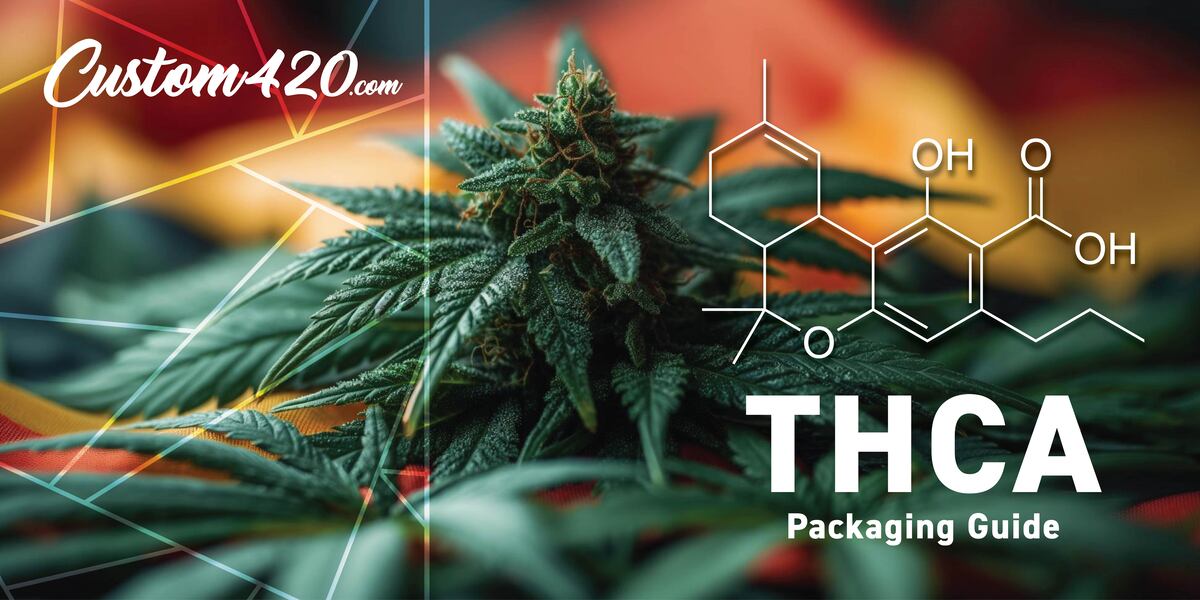
THCA packaging is becoming a top priority as demand for such products grows across the cannabis market.
THCA (tetrahydrocannabinolic acid) is non-psychoactive in its raw form but delivers strong effects once heated, making it popular in concentrates, prerolls, vapes, and flower. As more brands enter this space, packaging must protect the product, meet legal standards, and support brand recognition.
This guide explains the key points to consider when packaging THCA products, so you can stay compliant, keep your product fresh, and stand out in a crowded market.
What is THCA Packaging?
THCA packaging includes containers and labels made to protect THCA products, keep them legal, and help them sell. Because THCA can change into THC (tetrahydrocannabinol) when exposed to heat or time, packaging must prevent that shift to keep the product stable and effective.
Whether you’re selling concentrates, prerolls, or flower, your packaging needs to follow current laws and also catch attention on store shelves.
Since THCA is often marketed for its purity and potency, packaging plays a key role in preserving its quality from production to point-of-sale. This includes using airtight seals, UV-blocking materials, and clear labeling that informs customers while meeting state and federal guidelines.
Strong packaging supports both product safety and customer trust.
Key Requirements for THCA Packaging
To keep THCA products safe, legal, and shelf-ready, packaging must meet a few key standards. Below are the three most important areas to focus on:
1. Preservation and Product Protection
THCA breaks down when exposed to heat, light, air, or moisture. The right packaging keeps the product stable by using:
Airtight, odor-proof materials
UV-blocking layers like opaque mylar or amber glass
Seals that reduce air exposure and help prevent early decarboxylation
Protecting the chemical makeup of THCA ensures customers get the potency they expect.
2. Child-Resistant and Tamper-Evident Features
Legal cannabis markets require child-safe packaging. THCA products must be sealed in ways that keep kids out and show if tampering has occurred. Common options include:
Certified child-resistant closures (CRCs)
Resealable mylar bags with heat seals or tear strips
Pop-top drams, snap-lock tubes, or press-and-turn caps
These features help you stay compliant and build trust with both regulators and customers.
Packaging cannot include imagery appealing to minors or fruit shapes; requires CRC and potency labeling; test results and limits are strictly enforced
Key Compliance Tips
Assume “Total THC” testing applies – In most states, THCA must be reported and THC calculated from decarboxylation, even if marketed as raw or hemp-derived.
Prioritize packaging quality – Include child-resistant closures, tamper-evident seals, opaque and resealable materials.
Label with detail – List THCA, THC, CBD content, batch/lot, CoA QR, universal cannabis symbol (IICPS), and state-specific warnings.
Align with the strictest state if you distribute across multiple jurisdictions. Packaging rules vary widely, but you want to meet the toughest standard to stay compliant everywhere.
Materials and Formats for THCA Products
The right packaging format depends on your product type and how you want to present your brand. Each option offers different advantages in terms of cost, protection, and shelf appeal.
They also work well with child-resistant features and are simple to store and ship.
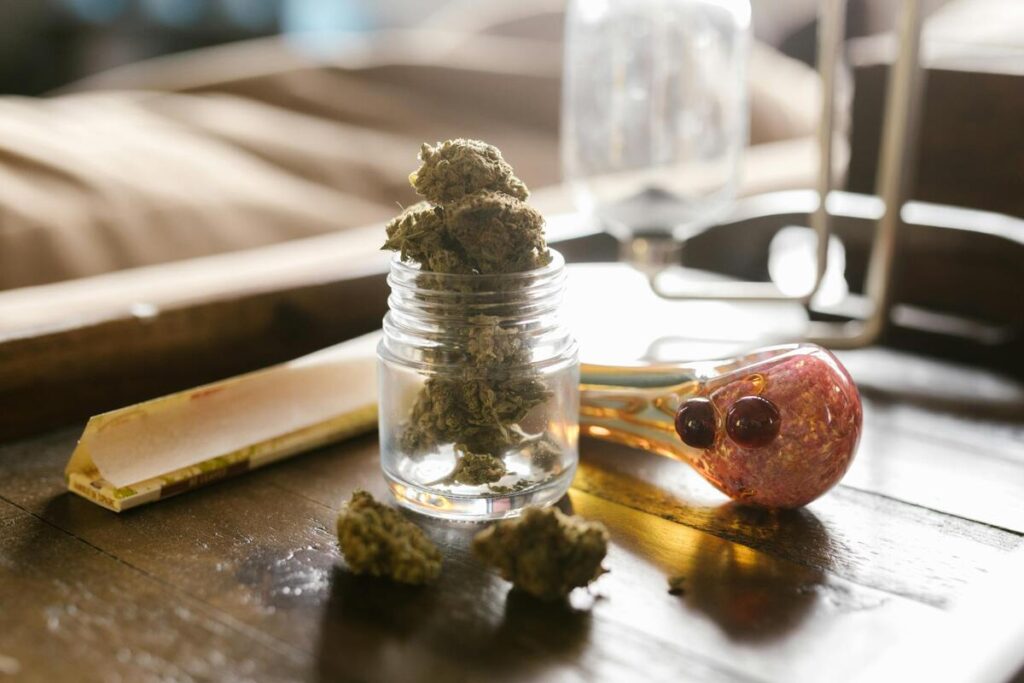
Glass or Plastic Jars
Ideal for concentrates like THCA diamonds, isolates, or live resin. These containers offer:
Airtight seals to protect freshness
A premium look that signals quality
Compatibility with tamper-evident bands and branded labels
Glass adds a luxury feel, while plastic is lightweight and less fragile.
Pre-Roll Tubes and Boxes
Used mainly for THCA prerolls and infused joints, these formats are:
Slim and portable
Secure with odor-proof and tamper-evident designs
Easy to label and brand for retail visibility
They offer strong protection during transport while keeping the product fresh and compliant.
Branding and Design: Standing Out While Staying Compliant
Packaging is more than just a legal requirement, it shapes how customers see your product. Your design should follow cannabis regulations while making your brand memorable.
Work with a partner who knows the rules and can help you:
Add premium touches like foil stamping, embossing, or soft-touch finishes
Print clear, compliant labels that include batch numbers and cannabis symbols
Develop unique shapes or cutouts that reflect your brand style
Pro Tip: Simple, clean designs with bold highlights and clear THCA content tend to attract more attention on dispensary shelves.
Sustainability in THCA Packaging
More consumers expect eco-friendly packaging, so sustainability matters now more than ever. Consider using:
Compostable alternatives to traditional mylar bags
These choices lower your environmental impact and improve your brand’s appeal, especially with Gen Z and Millennial buyers.
Fulfillment, Customization, and Warehousing
Partnering with a full-service packaging provider offers several advantages:
Low minimum order quantities (MOQs) to fit your budget
Fast turnaround for seasonal releases or product tests
Warehousing and distribution support for multi-state operators (MSOs)
Custom label application and secure shrink-wrapping
We handle your packaging supply chain, so you can focus on growing your brand and reaching customers.
Shipping THCA Products: Do It Right
THCA is federally legal under the 2018 Farm Bill if it comes from hemp and contains less than 0.3% Delta-9 THC. Still, shipping must be handled carefully.
To ship THCA products safely:
Use vacuum-sealed or tamper-evident packaging
Include lab results or a Certificate of Analysis (CoA) with every order
Avoid language that suggests the product causes psychoactivity (a “high”)
Monitor USPS, UPS, and FedEx rules, as carrier policies can change
Taking these steps helps protect your business and ensures smooth delivery.
Common Mistakes to Avoid
One of the most frequent mistakes is using packaging without proper seals. Without airtight protection, THCA products are exposed to oxygen, which can cause early degradation and lower potency.
Another common issue is mislabeling. If your packaging lists the wrong THCA content or fails to include a clear link or QR code to the Certificate of Analysis (CoA), it can lead to compliance problems and customer distrust.
It’s also risky to assume your product qualifies as “hemp” without verified lab results. Failing to confirm Delta-9 THC levels through testing can result in legal trouble, especially when shipping across state lines.
Finally, don’t overlook your design. Poorly designed packaging (whether it’s non-compliant or just unattractive) can hurt your sales and weaken your brand’s position in a competitive market.
How to Choose a THCA Packaging Partner
Selecting the right packaging partner can make a big difference in your product’s success. Start by choosing a vendor with proven cannabis compliance knowledge. They should understand current regulations and help you avoid costly mistakes.
Look for companies that offer a wide range of child-resistant, certified packaging formats. In-house design services are another plus as they can help you create packaging that’s both eye-catching and compliant.
Flexibility also matters. Choose a partner with low minimum order quantities and fast turnaround times, especially if you’re testing new products or running limited drops. Domestic warehousing is another benefit, as it speeds up fulfillment and reduces shipping costs.
Finally, check their reputation in the cannabis industry. A trusted name often means reliable service and consistent quality.
Final Word
THCA packaging requires careful attention to detail. As rules tighten and more brands enter the market, your packaging must do more than protect; it must help your product stand out.
At Custom 420 Supply, we use high-quality materials, smart design, and up-to-date compliance knowledge to create packaging that performs on every level. We help you stay legal, look sharp, and build trust with your customers.
Want to learn more? We invite you to reach out through our contact page.
Frequently Asked Questions (FAQs)
Why is THCA labeling more complex than THC labeling?
Because THCA can convert to THC with heat, regulations often require both values (“total THC” and “raw THCA”) to be displayed for transparency.
Can I reuse packaging from flower for THCA products?
Not always. THCA concentrates often need higher barrier protection and more accurate dosing labels.
Are clear containers allowed for THCA?
In many states, no. Most require opaque or child-resistant packaging that conceals the product.
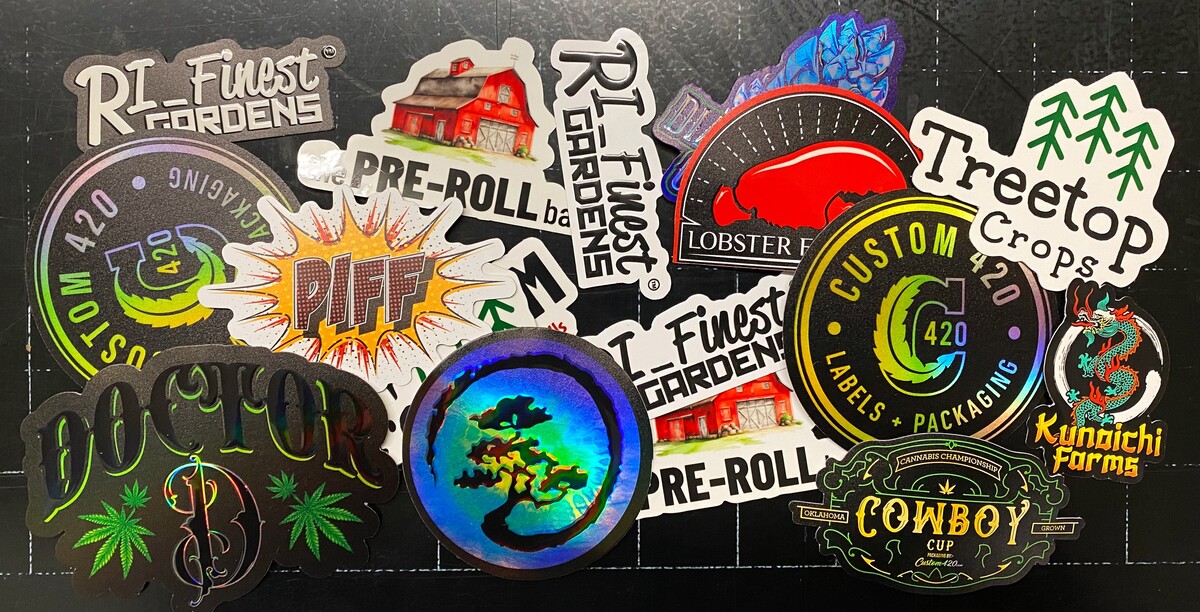
Simply put, “die-cut” means a sticker that is cut around the shape of your design. In other words, most stickers come in standard shapes (i.e. circle, square, or rectangle), whereas die-cut stickers are completely customizable to your artwork.
Brands use “die-cut” for various purposes. In most instances, it’s to show off brand identity (i.e. through a logo sticker). However, packaging can also come in these customizable cuts (i.e. die-cut boxes).
Origins of Die-Cut
Die-cutting began in the shoe industry in the mid-1800s. More specifically, it allowed holes to be punched into shoes manually to create individual sole patterns. Most were made using leather and die-cutting allowed shoemakers cost-effective mass production.
Today, die-cutting has found a variety of uses across many industries. However, in regards to cannabis, it’s often used to create unique packaging and stickers. As you’ll see, these customization elements are a great way to get customers more involved in your brand.
What are the Benefits of Die-Cut Stickers?
On the surface, die-cut stickers give more emphasis to your brand. Whether you die-cut a logo or a mascot, these stickers effectively allow brand elements to stand out to customers.
However, on a deeper level, die-cut stickers can be used for customer retention. One of the elements customers take away from cannabis products is the unboxing experience. Naturally, you need high-quality packaging that gives customers an interactive feeling. But if you match this interaction with free stickers representing your brand, you’re taking the unboxing experience one step further.
61% of shoppers feel greater excitement about receiving a package when the packaging features branded designs.
In 2022, 59% of packaging included branding elements.
52% of buyers state that high-quality premium packaging motivates them to make repeat purchases.
Personalized packaging can boost consumer loyalty by up to 40%.
Naturally, you’ll want to place more of your efforts on the packaging design itself. However, if you throw in some personalized die-cut stickers to match, it will only elevate you amongst the competition.
Difference Between Die-Cut vs Kiss-Cut Stickers
In short, kiss-cut stickers are only cut through the vinyl. However, the paper backing stays in a standard shape (i.e. a square). Some brands use this to add an extra style to the sticker design. Still, such efforts aren’t 100% necessary as the main feature of both die-cut and kiss-cut is the sticker itself.
How to Order Custom Die-Cut Stickers
If you’re a business and want to outsource these stickers, the process is super simple. At Custom 420, we offer wholesale stickers at an exceptional value in various materials (such as matte, gloss, and specialty foil). On top of that, we can print die-cut stickers with Raised Spot UV.
Furthermore, we have an in-house design team that can assist in your sticker design if you’re not sure of the direction you want to take.
We invite you to check out our Cannabis Packaging Design Services page to learn more about this process. If you decide to work with us, we will print all stickers in-house and ship them directly to you. If you have questions about the process, please reach out to us through our contact forum.
Frequently Asked Questions
How to make die-cut stickers in Canva?
If you want to use Canva to design a die-cut sticker, you’ll want to take the following steps:
1. Design your sticker directly on the application. 2. Export the design, ensuring you follow the border and bleed requirements of your cutting machine. 3. Upload the design to your cutting machine. 4. Load the printable vinyl sheets. 5. Start the machine to cut your stickers.
Are die-cut stickers waterproof?
A die-cut sticker can be waterproof, depending on the material used. Vinyl is one of the most commonly used materials for stickers and is water-proof.
Can you make die-cut stickers with Cricut?
Yes, you can use a Cricut machine to make a die-cut sticker. In fact, this is one of its primary functions. Simply look for the “die cut” option in Cricut Design Space to develop your sticker design.
In the cannabis industry, blister packaging can be an effective option, depending on your product. However, this may not fit your brand or product selection best. We invite you to follow along as we lay out everything you need to know about blister packs.
What is Blister Packaging?
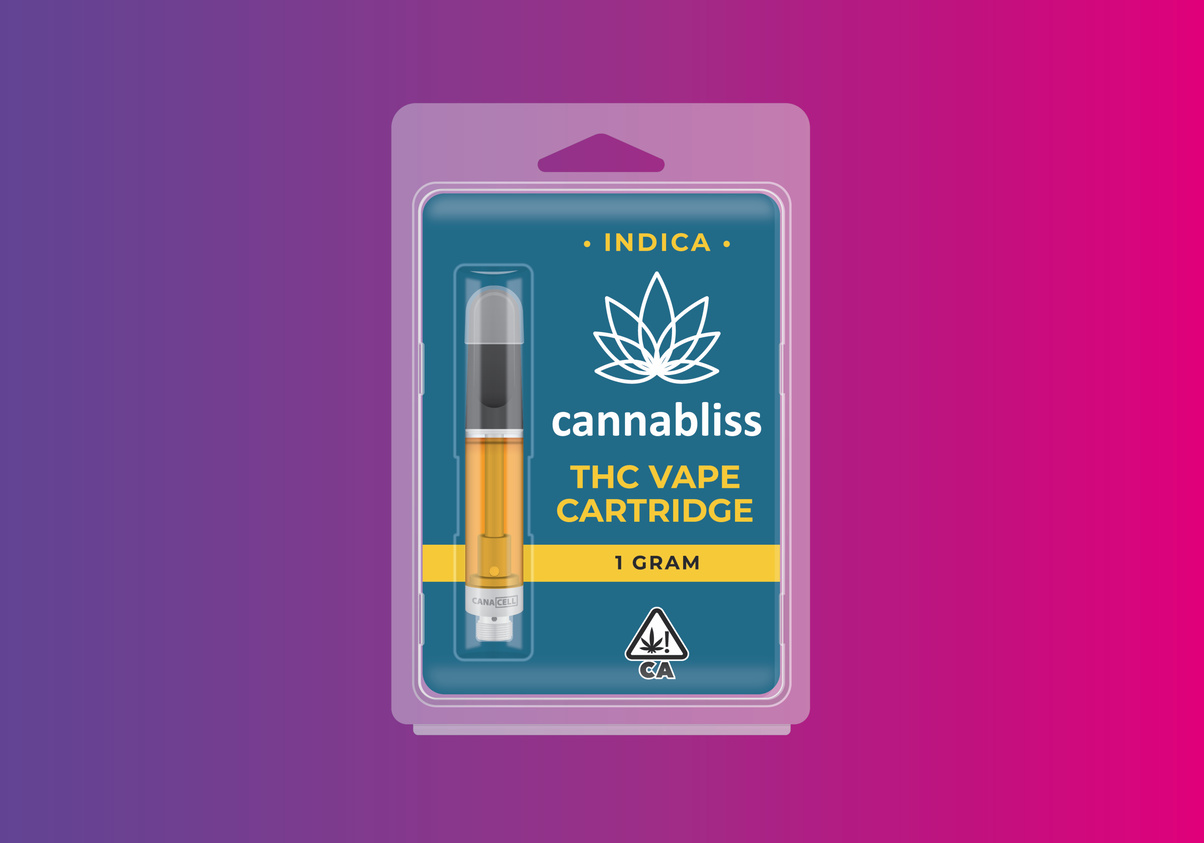
Blister pack packaging is created by heating a plastic sheet and shaping it into a bubble or pocket, known as the “blister.” This encases the entirety of your product, allowing customers to see what they’re purchasing visually.
Traditionally, blister packaging has a cardboard back, known as “face seal blister.” The plastic blister sits in front of the cardboard and contains the product. On the cardboard are elements of your brand identity and other important information.
If your product has a consistent shape, you can uniformly shape the blister to match the product’s outline. However, if your product doesn’t have consistency, you can opt for other shapes (e.g., rectangular, oval, etc.).
Can You Use Blister Packs for Cannabis Products?
Some cannabis products incorporate blister card packaging. The most popular are vaping products, where the blister is made in the shape of a disposable vape pen or cartridge.
Some brands also incorporate blisters for concentrate items. Usually, the concentrate is in a transparent jar which is then blistered onto cardboard.
While you can get creative with your custom blister box, not all products will benefit from this type of packaging. For example, customers prefer flower and edibles in other packaging types, such as Mylar bags.
What are the Types of Blister Packaging?
Blister packaging can appear in the following ways:
Face Seal Blister
The plastic blister is shaped to fit around the product and then heat-sealed to a cardboard backing. This form of blister packaging is relatively cost-effective, making it ideal for high-volume products.
Full-Face Seal Blister
The blister encases both the product and the card backing entirely. The plastic is secured to the card either by heat sealing or by sliding it through extra plastic reinforcements on the sides.
This design enhances the packaging’s durability, by making the corners more resistant to bending while also improving their appearance.
Full Card Blister
Similar to a full-face seal blister, this packaging covers the entire card. However, instead of being heat-sealed, it features flanges that wrap around the edges of the card. The card is slid into position and occasionally secured with staples.
Trapped Blister
A trapped blister is similar to a traditional blister pack, but with an added layer of cardboard in front of the plastic, shaped to fit around the blister. This design secures the plastic between the two pieces of cardboard, with the top layer die-cut to hold the product snugly.
Since it doesn’t rely on heat-sealing, this method is more cost-effective. It also enhances tamper resistance, as any attempt to remove the product visibly damages the outer cardboard. Additionally, it offers a more polished appearance by minimizing exposure to plastic.
Clamshell
Clamshell packaging, also known as clam packaging or clam packs, replaces the cardboard backing with a hinged plastic design, connected at the side or the base. Some clamshells are crafted to stand upright on store shelves, while others include a hole for hanging on racks.
They can feature a snap-close button or be heat-sealed for added security. The plastic bubble may have a uniform shape on both sides or vary in size and form to accommodate the product inside.
Pros and Cons of Blister Packaging
If ou run a cannabis business and are considering blister packs for your products, here are some things to consider:
Pros
Eco-friendly – All blister packs are made with plastic and cardboard, both recyclable materials.
Lightweight – Blister and clam packaging are very lightweight, reducing transportation costs.
Protection – Blister packs protect the product from damage and keep it clean. They also reveal tampering, unlike boxes that can be opened and reclosed unnoticed.
Theft Protection – Designed in unique shapes, making it difficult for shoplifters to conceal.
Visually Appealing – Blister packs showcase the product directly, catching the customer’s eye and making it stand out compared to boxed items.
Plastic Waste – While plastic is recyclable, if consumers are not mindful, blister packs can create a lot of waste.
Time-Intensive Production – Takes longer to manufacture than other packaging options.
Final Word
Blister packaging is a very effective option for certain cannabis products, such as vape pens and cartridges. This is thanks to the fact that it gives your product transparency other brands may not offer.
Interested in using blister packs for your next product? Not sure where to begin? Custom 420 is here to help! We invite you to reach out through our contact form to learn more.
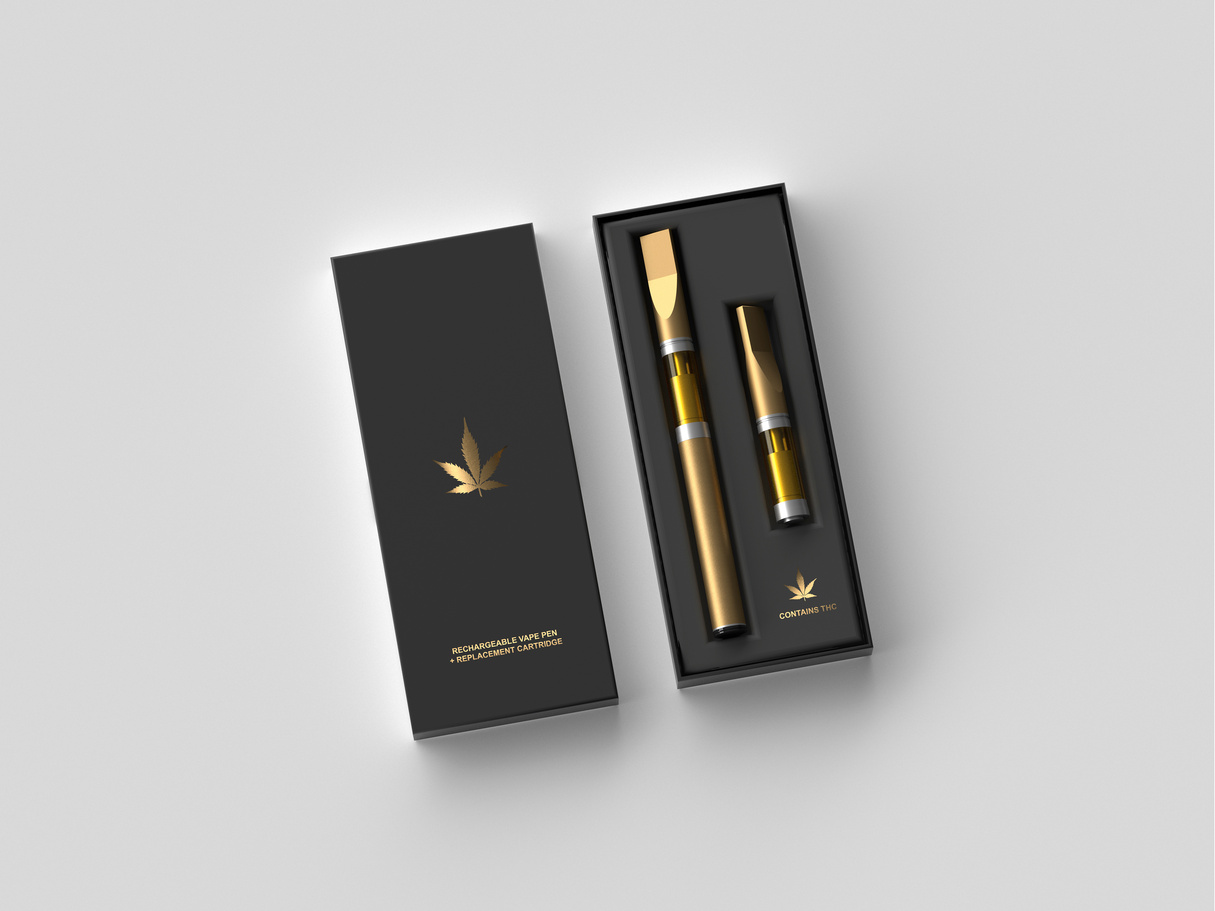
When it comes to custom vape hardware shipping boxes, you have a lot of options. From minimalism to luxury, you want to consider your buyer’s persona and what they look for in a vape box.
1.) Minimalist Design
Minimalist packaging is preferable when it comes to vape packaging. The simplicity and clarity are more likely to appeal to a mass audience and are preferable if you want to stray from stereotypical vape culture. If you plan to incorporate a minimalist design, you’ll want to consider the following:
Neutral colors
Simple typography
Sleek finishes
Still, minimalism goes beyond aesthetics, it also incorporates simple functionality. By reducing unnecessary packaging materials, you make your product easier for the customer to open and reduce costs on your end.
2.) Personalized Packaging
When it comes to custom vape hardware shipping boxes, you have a lot of customization options. These include:
Designs tailored to specific markets
Engaging unboxing experience
Exclusive artwork
Limited-time events
When personalizing your packaging, you want to consider your brand identity. Who is your target audience? What do they think when they see your products? And what would they expect out of your packaging?
Naturally, the answers to these questions vary from brand to brand. Your marketing team should take some time to consider these factors.
Still, if your team struggles to come up with a comprehensive packaging design, you may want to consider customer-designed packaging. This is a great way to interact with your audience and discover what their interests in your brand are.
3.) Eco-Friendly Packaging
In the cannabis sector, many consumers prefer eco-friendly options. Therefore, more and more brands are developing sustainable packaging solutions. These may include:
Biodegradable packaging
Recyclable materials
Reusable components
Still, beyond customer appeal, eco-friendly solutions are a great way to reduce your environmental impact. A business ethic we salute any brand that considers.
4.) Luxury Packaging
With two-thirds of Americans in support of recreational legalization, the market has matured to demand luxury and premium products. So, what does this look like in the presentation?
Embossed designs
Metallic foils
Soft-touch coatings
These elements will give your packaging a premium feel. Furthermore, they provide a multi-sensory experience for customers.
5.) Coloring and Die-Cut Shapes
If you want to capture consumer attention, you may want to opt for a specific color palette and packaging shapes. These will vary depending on your brand identity – however, most cannabis vape brands opt for:
Bold and bright colors
Geometric patterns
Unique shapes
Off that last point, die-cut boxes are a great way to make a solid first impression. Think about it – most vape brands simply opt for a rectangular box. If your product comes in a shape/size that accommodates your brand and customer, you’re more likely to leave a lasting impression.
6.) Transparent Packaging
Sometimes, consumers want to see the product before purchasing it. The most efficient way is through transparent (or windowed) packaging. This is a great option if you have high-end vaping products matched with quality customization.
Furthermore, transparent packaging displays honesty in your product. In other words, you’re more likely to reassure customer trust.
Final Word
There are a lot of elements to custom vape hardware shipping packaging boxes. If you’re unsure of the direction your brand should take, Custom 420 can help!
Our in-house design team creates the perfect customization for your brand identity and our manufacturing process ensures you’ll have more than enough supply promptly. Want to get started? Reach out through our contact form.
Custom Vape Hardware Shipping Boxes FAQs
What are some custom vape boxes to meet vape trends?
If you’d like to see custom box design trends, we invite you to check out our Custom Boxes pages.
How to design my own custom vape boxes for my brand?
Through Custom 420, you can work with a team of designers to develop the perfect vape box for your product. From there, we’ll execute the manufacturing process for you.
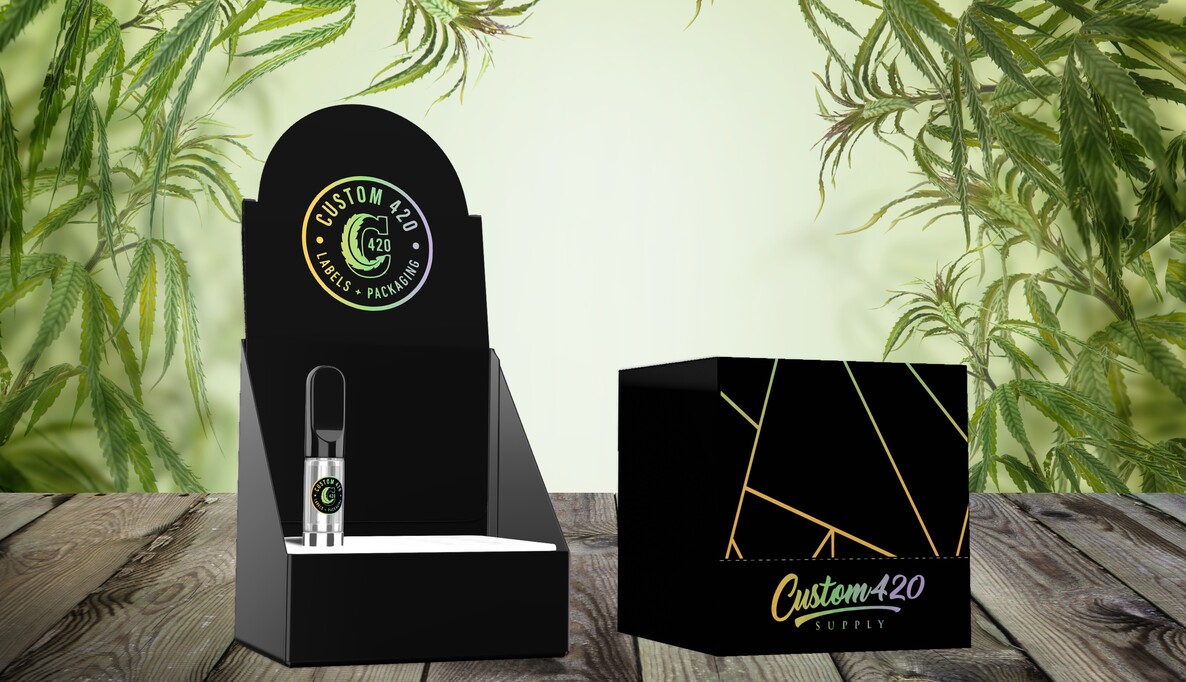
Custom vape cartridge boxes are just as essential as the vape hardware inside. They’re the customer’s first impression of your product and will leave an impact no matter the quality of the cannabis oil inside. Therefore, you want to ensure these boxes stand out on store shelves.
1.) Know Your Target Audience
While you may assume all custom boxes for vape cartridges will have the same target audience, this isn’t 100% true. Yes, it’s fair to say there’s a vape culture that prefers specific aesthetics. However, as vaping becomes more accessible, more types of people are getting their hands on these products.
Furthermore, you need to consider the type of people that purchase from your brand. Some cannabis companies are designed for young people, others for middle-aged people just learning about cannabis.
Consider your brand image and how you want your custom vape cartridge boxes to reflect that. Research your consumers’ preferences and let your results dictate the design process.
2.) Design with Function
Remember, your vape box is more than just a display. It’s what protects the product inside. With that, you’ll want to consider the following:
Source the Right Material
You have a lot of material options to consider, from sturdy cardboard to custom eco-friendly vape cartridge boxes. Again, when making this decision, you need to consider your brand identity.
For example, choose cardboard if you want a sleek and luxurious look. However, biodegradable materials are better options if your brand is known for sustainable sourcing.
Adopt Ergonomic Design Principles
With an ergonomic design, you ensure your vape packaging is attractive and practical. So, what should you consider?
This depends on what comes with each purchase. For example, some brands offer vape accessories (i.e. chargers) with the purchase of a pen. If your product does too, you’ll want to incorporate compartments for these accessories.
Other ergonomic factors add to the unboxing experience. For example, secure closures (or snap locks) are popular, textured surfaces can help to create a tactile experience, etc. The more thought you put into the unboxing experience, the happier your customers will be.
3.) Boost Your Aesthetic
Your custom box is what makes a first impression on customers. With that, you want to ensure the best possible design to represent your brand and retain customers.
You may need to experiment around with certain elements of your custom vape cartridge boxes, including:
If you have multiple products, you’ll want consistent design elements. Remember, these elements should resonate with your target audience and give them a quality unboxing experience.
It can be beneficial to get customers involved. Some brands ask customers to submit artwork for their custom packaging – making your company feel more like a community.
Final Word
While you may have a strong understanding of the marketing purposes behind custom vape cartridge boxes, we know not everyone has the time to develop the perfect design. That’s where Custom 420 comes in!
Our in-house design team can tailor packaging to your vision – ensuring to use the right materials for your brand identity. Want to learn more? We invite you to reach out through our contact form.
Child-resistant packaging is an essential feature of the cannabis industry. But as you go about your packaging design, you may wonder about the importance of child-resistant boxes. Here’s everything you need to know.
What are Child-Resistant Boxes?
Since cannabis is harmful to children, all manufacturers are required to place products in child-resistant packaging. Simply put, child-resistant boxes are packaging that reduces the risk of accidental consumption in children under 5 years old.
In other words, this packaging type makes it more difficult for children to access the contents. Children lack finely tuned motor skills and dexterity. These deficiencies make it difficult for them to complete multiple movements and varying pressures at once, all of which are features of child-resistant packaging.
History Behind Child-Resistant Boxes
Child-resistant packaging was introduced as a reaction to reports of child poisonings from accidental ingestion. More specifically, in 1970, the Poison Prevention Packaging Act (PPPA) was written to reduce child risk to harmful substances.
Since then, the U.S. Consumer Product Safety Commission (CPSC) has regulated child-resistant packaging. This organization establishes all the standards, rules, and regulations.
While “child-proof” packaging doesn’t exist, child-resistant packaging is real and has saved lives. It’s estimated the rate of death by poisoning in children under 5 has been reduced by 1.4 per million since the PPPA was introduced.
Why Child-Resistant Packaging is Required in the Cannabis Industry
Cannabis manufacturers need to incorporate child-resistant packaging for a few reasons, and these include the following:
Safety
In the cannabis industry, child safety is a top priority. Cannabis packaging can sometimes appeal to children, having colorful patterns or cartoon characters. Ensuring children can’t access the product inside is essential to avoid them mistaking such products for their favorite candy or snack.
Compliance
Within the cannabis industry, child-resistant packaging is a requirement in all states. In other words, by not using child-resistant packaging, you’re breaking the law and can be subjected to heavy fines or even jail time
It’s important to remember that such packaging goes beyond child-resistant packaging. In the cannabis industry, you must also have state-compliant labels (these vary depending on the state you operate from).
Consumer Trust
Since the cannabis industry is so new, gaining consumer trust has been a staple for all businesses. Most do this through various practices, such as third-party lab testing.
However, creating high-quality child-resistant packaging is another way to ensure customers that your products meet industry standards. This may lead to increased sales and further customer loyalty.
Quality Maintenance
While child-resistant packaging helps protect children, it also preserves cannabis. The multiple seals found in such packaging are a great way to prevent exposure to degrading elements, such as oxygen and moisture.
How to Determine if Your Box is Child-Resistant
If you’re not sure whether or not your cannabis packaging is child-resistant, some independent third-party companies can run lab-certified tests. These companies follow CPSC standards for child resistance and ensure whether or not your packaging meets these guidelines.
As mentioned above, consumer trust is an essential element of the cannabis industry. If you can receive a lab certification for your child-resistant boxes, this will only further consumer trust.
These tests will have children between 42 to 51 months of age participate in an attempt to open your packaging. If 85% of the children are unable to open the packaging within five minutes and 80% still can’t even after a demonstration, your packaging is considered to pass.
Can You Customize Child-Resistant Boxes?
Yes! While you need to ensure that your boxes meet child-resistant standards, this isn’t to say you’re not allowed to develop unique packaging. In fact, it’s encouraged you to get creative with your packaging to ensure brand identity and customer satisfaction.
If you’re unsure how to make your brand stand out, Custom 420 can help. Our in-house team of designers is keen on the cannabis industry and which types of products stand out to customers.
Final Word
Not sure where to source child-resistant boxes? Custom 420 offers various options, from child-resistant slide-tin boxes to 1-inch square child-resistant boxes. In other words, we have a box size for any of your needs!
We invite you to reach out through our contact form to get started.
Child-Resistant Boxes FAQs
What’s the difference between child-resistant and child-proof?
There’s no such thing as “child-proof” packaging. In other words, no packaging can 100% prevent a child from opening it. However, child-resistant packaging refers to Mylar bags, boxes, and other containers that are extremely difficult for children to open.
What is the Child-Resistant Cap Act?
This is a law that requires certain items (i.e. prescription drugs, over-the-counter drugs, household chemicals, etc.) to be placed in child-resistant packaging.
What is considered child-resistant packaging?
As discussed above, there are certificate programs that run tests to see if your packaging is child-resistant. If 85% of children are unable to open a package and 80% are unable to open it after being shown a demonstration, then your packaging is considered child-resistant.