If you care about solventless concentrates, hash rosin jars are essential. A good jar keeps your product fresh while protecting its potency, flavor, and texture.
Whether you press your own rosin or buy it ready-made, proper storage makes a big difference. This guide will help you choose the right jar to match your needs and protect your investment.
Why Storage Matters for Hash Rosin
Hash rosin is sensitive to air, heat, light, and moisture. These elements can dry it out, weaken its smell, and lower its effects. Without proper storage, the product breaks down fast.
To keep your rosin fresh, you need a jar that blocks these threats. A good container helps preserve the right texture, whether you use cold-cured batter or snap-and-pull rosin.
Today’s hash rosin jar tech is made for both everyday users and commercial producers. Options like air-tight rosin storage jars, UV-resistant containers, and tamper-proof lids give your rosin the protection it needs.
Key Features to Incorporate in a Hash Rosin Jar
Material
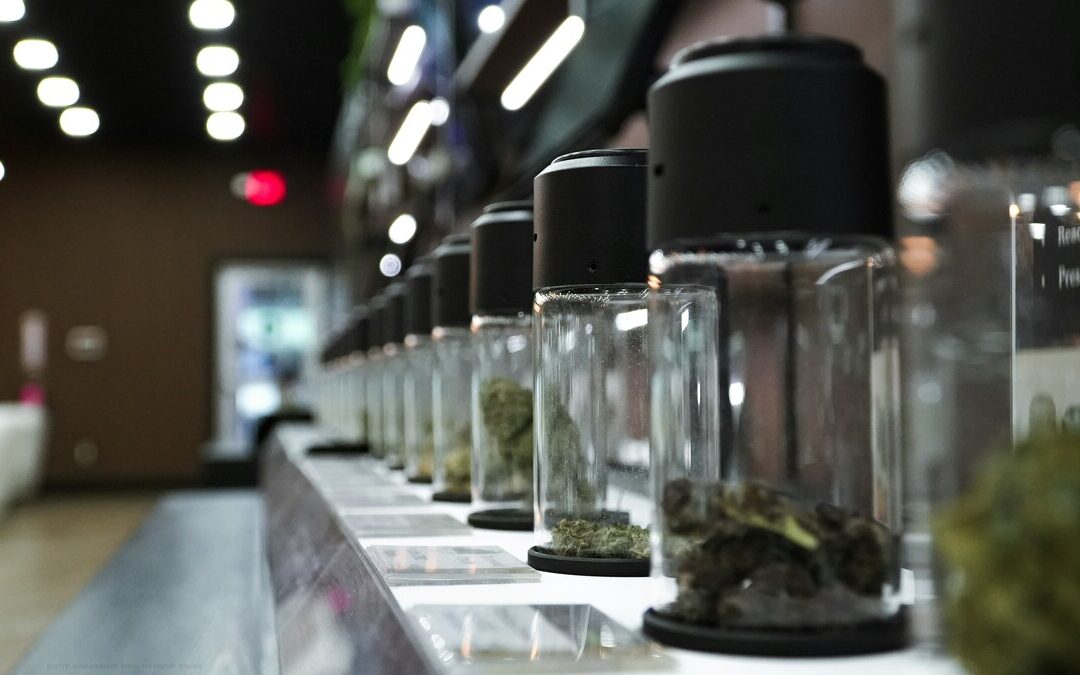
Glass is the top choice for storing rosin. It doesn’t react with the extract, holds flavor, and is easy to clean. Premium options like miron glass rosin jars also block harmful light and look sharp on display.
Equally important is the lid liner. High-end hash rosin producers typically look for jars with a PTFE (polytetrafluoroethylene) liner, which preserves product quality by preventing seepage and chemical interaction. This added layer of protection ensures your concentrate stays fresh, potent, and mess-free. And most premium jars on the market today include this feature.
Plastic is light but not ideal for storage. It can leak chemicals or change the flavor.
Silicone works for short-term use or travel, but it may absorb terpenes over time. Use it carefully.
Seal and Airtightness
Choose jars with tight lids that block oxygen. Screw-top lids and snap seals are common. For better results, vacuum-seal lids offer stronger protection. Reliable jar sealing techniques for rosin help keep flavor and texture intact.
Opacity and UV Protection
Light breaks down cannabinoids and terpenes. If you store rosin near light, use UV protection concentrate jars or dark glass to keep it fresh. Clear jars look nice but offer less defense over time.
Size and Portioning
Small jars (5ml–9ml) work best. They make it easier to manage individual portions, reduce waste, and maintain consistency in product quality. This is especially valuable for both personal use and retail, where presentation and preservation go hand in hand.
Ease of Use
Look for wide-mouth jars. They make it easier to collect rosin without waste. Avoid shapes that make your tools hard to use or leave product behind.
Types of Jars for Hash Rosin
Glass Concentrate Jars – The most common option. These jars work well for daily storage and are easy to clean and reuse.
UV-Protected Jars – These jars block harmful light. They help protect cannabinoids and terpenes, making them ideal for long-term storage.
Child-Resistant Jars – Required in many legal markets. These jars meet packaging laws and offer extra safety in a dispensary or home setting.
Silicone Dab Containers – Best for travel or short-term use. They offer quick access but don’t protect the product well over time.
Vacuum-Sealed Jars – A smart pick for valuable rosin. These jars keep air out and help maintain freshness for months.
Tips for Storing Hash Rosin Properly
Temperature – Store your rosin between 32-50°F. The fridge works well. Avoid freezing unless you use a vacuum-sealed jar.
Avoid Light – Keep your jars in a dark place like a drawer or fridge. Using UV protection concentrate jars adds extra defense.
Minimize Air – Always close your jars tightly. You can add parchment paper inside to reduce stickiness and prevent oxidation.
Label It – If you have multiple batches or types, label each jar clearly. Using custom rosin jar labels helps keep your products organized.
Final Word
For businesses, choosing the right jars means protecting your product’s quality and building customer trust. Glass jars offer the best storage, while airtight lids keep rosin fresh. Adding UV protection improves shelf life, especially under bright retail lights.
Need help sourcing wholesale custom rosin jars? Custom 420 Supply can provide you with everything you need for your products! We invite you to reach out through our contact page to learn more.
Frequently Asked Questions (FAQs)
What are the best jars for storing hash rosin?
The best jars for storing hash rosin are glass concentrate jars with airtight lids and UV protection. Look for brands that offer air-tight rosin storage jars or miron glass rosin jars, which block out harmful light while preserving terpene profiles. Hash rosin baller jars are also a great choice for personal-use quantities.
How should I store hash rosin in jars to keep it fresh?
To keep hash rosin fresh, store it in a UV-protected concentrate jar in a cool, dark place (ideally between 32–50°F). Use proper jar sealing techniques for rosin to prevent oxygen exposure. Make sure the jar is the right size for your rosin volume to reduce excess air space.
Can I use silicone jars for hash rosin storage?
Silicone jars are okay for short-term storage or travel, but are not ideal for long-term use. They tend to absorb terpenes over time, which can alter flavor and aroma. For preserving high-quality rosin, glass jars are always the better choice.
THC packaging does more than hold a product. For THC products, packaging has three essential roles: safety, compliance, and branding. It prevents accidental use by children or adults, helps regulators track items across the supply chain, and gives businesses a chance to stand out in a crowded market.
But packaging is also one of the most challenging parts of cannabis regulation. Rules change from state to state, updates happen often, and penalties for mistakes can be costly. Whether you are introducing a new edible or updating THC carts packaging, understanding the rules (and applying them in a way that supports your brand) is vital.
This guide explains the core cannabis packaging rules, state differences, product-specific standards, design tips, and enforcement trends that every operator should know.
Key Highlights
Regulatory Compliance is Critical – THC packaging must meet child-resistant, tamper-evident, and labeling requirements, which vary by state and product type.
Design Balances Safety and Branding – Effective packaging combines clear warnings, strategic branding, and accessibility while avoiding designs that appeal to children.
Traceability and Consumer Trust Matter – QR codes, Certificates of Analysis, and sustainable packaging build confidence with regulators and consumers alike.
What “THC Packaging” Really Means
In cannabis, THC packaging refers to consumer-facing packaging for marijuana products with more than 0.3% delta-9 THC. It does not include hemp-derived CBD packaging, which usually follows different and less strict rules.
This packaging falls into three main categories:
Primary packaging – The container that touches the product directly, such as edible pouches or tincture bottles.
Secondary or outer packaging – External wraps or boxes that hold one or more units.
Non-consumer or wholesale packaging – Bulk containers for transport. These face fewer branding rules but must still include tracking and labeling.
The key point: THC packaging is always subject to stricter oversight because it holds products with psychoactive effects.
Core Legal Requirements Across States
While the rules differ by state, most regulators require the same basic standards for marijuana packaging. These standards focus on safety, labeling, youth protection, and material quality.
Child-Resistant and Tamper-Evident Packaging
All THC products must use containers certified as child-resistant, often under ASTM D3475 or the Poison Prevention Packaging Act. Packaging must also be tamper-evident so consumers can see if a product has been opened or altered before purchase.
Product identity and type (example: “Cannabis Infused Chocolate Bar”)
THC content per serving and per package
Ingredient list and allergen warnings for edibles
Batch or lot number for tracking
Manufacturer or distributor name, license number, and contact details
Health and safety warnings (such as “For use by adults 21+ only. Keep out of reach of children.”)
QR code or link to a Certificate of Analysis (CoA)
Restrictions on Youth-Appealing Packaging
Cannabis packaging cannot look like snacks or candy marketed to kids. States ban designs with cartoons, copycat logos, or bright branding that imitates popular foods. Recent enforcement has targeted THC edible packaging that mimics gummy bears, chips, or candy, labeling it “dangerously misleading.”
Material and Food-Contact Safety
Edible packaging must use FDA-approved food-contact materials. For tinctures, concentrates, and topicals, containers must not release harmful chemicals and must protect product quality for its full shelf life.
How State Rules Vary
Each state adds unique requirements on top of the core standards, which makes compliance challenging. For example
California – Requires opaque, resealable packaging for edibles. A universal cannabis symbol must appear on the front panel. THC limits are set at 10mg per serving and 100mg per package.
New York – Requires packaging that is child-resistant, tamper-evident, and sustainable. Bright neon colors and metallic finishes are banned due to youth appeal.
Missouri – Requires FDA-compliant food-grade materials. Edibles must be sold in plain, single-color packaging without images of fruit, candy, or cartoons.
Colorado – Requires the diamond THC symbol on both the outer package and each edible serving. Packaging must also be opaque and resealable.
Because these standards differ so widely, many brands use a compliance matrix (a chart that tracks state-specific rules) before releasing new products.
Packaging Requirements by Product Type
Different product categories come with their own packaging rules and safety considerations.
Flower and Pre-Rolls
Must use resealable, child-resistant, opaque containers such as jars or mylar pouches.
Testing and batch labels must be placed clearly on the package.
Packaging materials need a moisture barrier to preserve freshness.
Edibles
Most states limit a single serving to 10mg THC.
Packages are usually capped at 100mg THC total.
Labels must include a nutrition facts panel and allergen statements.
Packaging cannot look like candy, gummies, or chips meant for children.
Individual wrapping inside the main package is often required.
Concentrates and Vape Cartridges
Cartridges must be child-resistant and sold in tamper-evident blister packs.
Labels must show potency per unit and per gram.
Packaging must include warnings about vaporization health risks.
Topicals and Tinctures
Lotions and creams must state they are for external use only.
Tinctures require measured droppers for accurate dosing.
Tamper-proof caps and storage instructions are mandatory.
Design Best Practices That Stay Compliant and Sell
Compliance does not have to mean dull packaging. Many brands have found ways to meet regulations while creating designs that connect with consumers.
Best practices include:
Clear hierarchy of information – Place THC content and warning statements in visible, easy-to-read fonts.
Strategic branding – Use color and typography to highlight brand identity without copying candy or soda packaging.
Consumer trust cues – Add QR codes that link directly to third-party lab results.
Accessibility – Improve legibility with large fonts, tactile printing, and matte finishes.
Sustainability – Choose recyclable or compostable materials that still meet child-resistant standards.
Studies also show that simple or plain packaging draws more attention to safety warnings and lowers the risk of accidental use.
Traceability, QR Codes, and Lab Result Integration
Regulators increasingly expect digital traceability, and QR codes are the most common solution. A quick scan can link consumers and inspectors to:
Certificates of Analysis (CoAs)
Batch numbers and testing dates
Chain-of-custody or seed-to-sale records
Tip: Host CoAs on a permanent, non-editable URL to strengthen trust and meet regulatory expectations.
Enforcement Trends and Crackdowns
Recent enforcement actions point to two major risk areas:
Child-appealing edibles – Regulators and the FTC have issued fines and warnings against companies selling gummies or cookies in packaging that imitates candy.
Hemp-derived THC products – Items like delta-8 are being seized for missing labels, warnings, or age restrictions.
Brands that stay proactive with compliant packaging can avoid product recalls, fines, and damage to their reputation.
Sustainability and Consumer Perception
Regulators focus on safety, but many consumers also want eco-friendly packaging. The challenge is combining recyclability with child-resistant standards.
Current solutions include:
Compostable alternatives to mylar pouches
Paperboard cartons with child-resistant mechanisms
Recyclable glass jars with tamper-proof lids
Brands that highlight their sustainability efforts can strengthen consumer trust and stand out in a competitive market.
Final Word
THC packaging requires balancing regulatory compliance, consumer safety, and effective brand design. With rules changing frequently by state, the best approach is to prioritize compliance first and then layer in creative branding that avoids enforcement risks.
Are you struggling to properly package your THC products? Custom 420 Supply is here to help! Our in-house team of experts and designers is here to provide you with 100% compliant and shelf-appealing packaging.
Want to learn more? We invite you to reach out through our contact page.
Frequently Asked Questions (FAQs)
Do THC packaging rules differ from CBD packaging?
Yes. CBD products are federally legal (≤0.3% THC) and regulated differently. THC packaging is subject to stricter state rules, especially around child resistance and labeling.
Are transparent windows allowed on THC packaging?
Some states prohibit transparent windows for edibles, requiring fully opaque packaging. Flower packaging may allow small windows if child-resistant.
Can THC edibles look like candy?
No. Packaging must not imitate common snack or candy brands. Most states prohibit any design that appeals to children.
How do I link a CoA to my THC packaging?
Use a QR code that resolves to a permanent webpage with the lab report PDF. Don’t rely on QR codes that expire or redirect.
Can I use mascots or characters in my branding?
Not if they appeal to children. Mascots resembling cartoons or toy characters are often banned.
Delta-8 packaging is more than a design choice; it’s a legal and safety requirement. Businesses must meet strict rules that cover child-resistant features, accurate labeling, and product protection.
Effective packaging does four key things. It protects the product’s potency, ensures consumer safety, meets state and federal regulations, and reflects the brand’s identity. In today’s growing delta-8 market, packaging is both a compliance necessity and a way to stand out with customers.
Regulatory and Safety Considerations
Federal and state regulators are paying closer attention to Delta-8 packaging, especially around safety and how products are marketed.
The Food and Drug Administration (FDA) has issued warnings about edible packaging that looks too much like popular children’s snacks. This has led to accidental ingestions, with poison control centers reporting nearly an 80% increase in Delta-8-related cases involving children between 2021 and 2022.
To lower these risks and stay compliant, Delta-8 packaging should meet the following standards:
Child-resistant – Packaging must be difficult for children to open.
Tamper-evident – Clear indicators should show if a package has been opened or altered.
Clearly labeled – Labels must make it obvious that the product is not regular food or candy.
As oversight continues to increase, brands that follow safety-first packaging rules not only avoid penalties but also build stronger trust with consumers.
Core Packaging Requirements
Protection and Preservation
Delta-8 packaging must protect products from elements that can weaken quality.
Light, oxygen, and heat can reduce potency and shorten shelf life. Packaging should act as a shield against moisture and UV rays.
Advanced options, such as oxygen absorbers and temperature indicators, add another layer of protection.
This applies to all product types, from delta-8 gummy packaging to delta-8 flower packaging, where freshness and potency are key to consumer satisfaction.
Child-Resistance and Tamper-Evidence
Child-resistant packaging is a legal requirement and a safety priority. Common solutions include push-and-slide closures, locking caps, and tamper-evident seals. These features prevent accidental access and show customers that the product is safe and trustworthy.
Labeling and Informational Clarity
Clear labeling helps prevent confusion between Delta-8 products and everyday snacks. Strong labeling should:
Make it clear that the product is not standard food.
Provide dosage guidance, cannabinoid potency, and safety warnings.
List manufacturer details and compliance information.
Labeling is more than a box to check for regulators. It’s also a way to educate consumers and build confidence in the brand.
Material and Structural Design
The choice of materials and structure in Delta-8 packaging affects product safety, consumer trust, and environmental impact. Popular formats include rigid paperboard boxes, folding cartons, tins, jars, bags, and resealable pouches.
Protective design features (such as windowed tins, custom inserts, and foam supports) help secure fragile or premium items like delta-8 cartridge packaging. At the same time, sustainability is a growing priority. Options like recyclable materials, FSC-certified paper, eco-friendly inks, and biodegradable films allow brands to reduce waste while staying compliant.
Customization is also a major factor. Unique sizes, shapes, laminations, spot UV finishes, embossing, and foil stamping help products stand out on the shelf.
Flexible options, including low minimum order quantities (MOQs) and fast turnaround times, make it easier for new businesses to test strategies.
Aesthetic and Branding Considerations
Packaging acts as a silent representative of the brand. In the Delta-8 packaging market, where consumer trust is still growing, design plays an important role in building credibility.
Bold shapes, vibrant colors, and luxury foiling signal a premium product. Matte finishes, clean layouts, and minimal designs highlight wellness and transparency. Both approaches communicate brand values and help position products in the marketplace.
The objective goes beyond compliance. Effective packaging stands out on crowded shelves, reinforces brand identity, and leaves a lasting impression on consumers.
Emerging Trends and Innovations
Delta-8 packaging is shifting with new technology and changing consumer expectations. Current trends include:
Unified compliance systems – Packaging that adapts to different state regulations.
Advanced preservation materials – Stronger barriers against light, heat, and oxygen to protect potency.
Consumer education features – Designs that explain dosing and safe use.
Supply-chain transparency – QR codes linking to Certificates of Analysis (COAs) or lab reports.
Smart packaging technologies – Built-in indicators that confirm product integrity during shipping or storage.
These innovations show a move toward packaging that combines compliance, safety, and consumer trust while improving the overall buying experience.
Best Practices and Takeaways
Strong Delta-8 packaging balances safety, compliance, and brand identity. The most effective strategies include:
Balance aesthetics with compliance – Packaging can be safe and still look professional.
Prioritize clarity – Avoid designs that resemble snacks or attract children.
Collaborate with experts – Work with packaging specialists to confirm compliance and maintain quality.
Stay agile – Update packaging strategies to align with changing laws and consumer trends.
By following these practices, brands protect both their products and their reputation in a competitive market.
Final Word
Effective Delta-8 packaging is more than meeting regulations; it’s a tool for long-term success. The right packaging preserves potency, protects consumers, confirms compliance, and strengthens brand visibility on store shelves.
Is your Delta-8 brand in need of the right packaging? Custom 420 Supply is here to help! We invite you to reach out through our contact page for more information.
Frequently Asked Questions (FAQs)
Why is Delta-8 packaging so important?
Delta-8 packaging is crucial for compliance, consumer safety, and product preservation. It prevents accidental ingestion, maintains potency, and strengthens brand credibility.
What are the legal requirements for Delta-8 packaging?
Most states require child-resistant, tamper-evident designs and clear labeling that distinguishes Delta-8 products from common foods. Some states may have additional packaging rules depending on the product type.
What materials are best for Delta-8 packaging?
Materials vary by product, but common choices include resealable mylar pouches, rigid paperboard cartons, glass jars, and recyclable plastics. Packaging should block UV light, oxygen, and moisture.
How can Delta-8 brands stand out with packaging?
Brands can differentiate with custom shapes, embossing, foils, spot UV coatings, and sustainable materials. The key is balancing creativity with compliance.
Are there eco-friendly options for Delta-8 packaging?
Yes. Many suppliers now offer recyclable cartons, biodegradable pouches, hemp-based materials, and soy-based inks, helping brands meet consumer demand for sustainable solutions.
Shipping cannabis requires discretion. Whether you’re a dispensary, an e-commerce seller, or a home grower mailing products legally, the strong smell of weed can lead to unwanted attention or legal trouble. This is where smell-proof jars for weed come in. These containers help you keep products fresh, prevent odor leaks, and maintain a clean, professional image.
In this article, we’ll explain why smell-proof jars are essential for discreet cannabis shipping. You’ll also learn what to look for when choosing the right jar for your products.
What Are Smell-Proof Jars for Weed?
Smell-proof jars for weed are containers made to keep the strong scent of cannabis sealed inside. Unlike regular mason jars or plastic bags, these jars use airtight seals and odor-blocking materials to trap terpenes, the compounds that give weed its smell.
Common types of smell-proof containers for weed include:
These weed containers are smell-proof by design. They don’t just block odor; they also keep out air, moisture, and dust. That helps preserve the product’s freshness, whether it’s stored on a shelf or shipped across the state.
The Importance of Odor Control When Shipping Weed
Even in legal markets, the smell of cannabis can create problems. Packages that leak odor can:
Alert mail carriers or inspectors
Invite theft or tampering
Trigger customer complaints
Put your business license or legal protections at risk
Using a smell-proof container helps protect your product and your reputation. This is especially important for medical patients who value privacy, and for cannabis businesses that want to appear professional.
Smell-proof jars for weed help you stay in control, from the moment the product leaves your hands until it reaches the customer.
This is especially true for the fast-growing e-commerce market shipping products like CBD, THC-A, and other hemp-derived goods nationwide. While these products may be federally legal, odor leakage can still create unnecessary scrutiny, delays, or damage your brand’s credibility.
Whether you’re shipping within state lines or across the country, odor control remains essential for customer trust and smooth delivery.
Benefits of Using Smell-Proof Jars for Shipping
Choosing smell-proof containers for weed offers key advantages over standard packaging:
Airtight Seal
An airtight design blocks odors and protects product quality. These airtight containers for weed also help maintain humidity and temperature inside the jar, keeping your cannabis fresh during shipping.
Preserves Potency
Light and air can break down tetrahydrocannabinol (THC) and terpenes. A smell-proof, UV-resistant jar cannabis container helps preserve both aroma and strength until it reaches the customer.
Reusable and Durable
Well-made glass weed jars are strong and built to last. Customers often reuse them, which gives your brand a longer shelf life in their homes.
Professional Presentation
Whether you’re shipping flower, concentrates, or pre-rolls, a clean, sealed, airtight cannabis jar shows that your business values quality and consistency.
Features to Look for in Smell-Proof Jars
Not all weed jars offer the same level of protection. To make sure your packaging holds up during shipping and keeps odors locked in, look for these features:
Airtight/Vacuum-Seal Lids – Blocks smells and stops oxygen from entering
UV-Resistant Glass – Shields THC and terpenes from light damage
Shatter-Resistant Design – Prevents breakage during transport
The right smell-proof container keeps your product secure and helps you stay compliant with state regulations.
Best Types of Smell-Proof Jars for Shipping Weed
Which weed jars deliver freshness and odor control best? Here are the top choices:
Glass Jars with Screw-Top Lids
These are industry standard. Choose thick-walled glass weed jars with silicone-lined lids for a tight, airtight container that keeps smell locked in.
Miron Glass Jars
A premium option that blocks UV light to protect terpenes and cannabinoids. These dark violet jar cannabis containers extend product freshness by blocking harmful light.
Custom-Branded Jars
Boost your brand with custom smell-proof containers for weed that feature your logo and strain details, while providing all the benefits of airtight technology.
Legal Considerations for Shipping Cannabis Products
Shipping cannabis can be tricky, especially when crossing state lines or using carriers like USPS. Even in legal states, rules around packaging, labeling, and transport are strict.
Discreet packaging is more than just hiding odor; it helps you stay within the law. Your packaging should include:
Failing to follow cannabis packaging laws can lead to fines, recalls, or worse. Using smell-proof jars lowers these risks by controlling odors and keeping your brand compliant.
Tips for Using Smell-Proof Jars Effectively
To get the most from your smell-proof containers for weed, try these simple tips:
Test Before Shipping – Always run a quick smell test to make sure no odors escape before you ship large orders.
Double Up – Use your weed jar inside a vacuum-sealed bag or mylar pouch for extra odor control.
Keep It Cool – Store filled jars in a cool, dark place to keep your product fresh longer.
If you sell online, these extra steps reduce complaints, earn better reviews, and build stronger brand loyalty.
Where to Buy the Best Smell-Proof Jars for Weed
Ready to upgrade your jar cannabis packaging? Here’s how to find the right smell-proof containers for weed:
Wholesale Suppliers – Search for cannabis-focused packaging distributors, such as Custom 420 Supply, that sell bulk smell-proof containers and offer custom branding options.
E-commerce Platforms – Sites like Amazon and specialty packaging stores are great for smaller orders.
Domestic vs. Overseas – Overseas suppliers may be cheaper, but American-made weed jars usually have better quality and faster shipping.
Whether you need jars of weed for personal use or business, choosing quality packaging makes a difference.
Final Word
In today’s cannabis market, smell-proof jars for weed are essential. They offer secure, discreet, and legal packaging that protects your product, your customers, and your brand reputation. Choosing the right jar shows your commitment to quality and professionalism.
Want to buy smell-proof cannabis jars, but unsure where to begin? Custom 420 Supply has you covered, offering the best odorless options, all of which are fully customizable! We invite you to reach out through our contact page to learn more.
Frequently Asked Questions (FAQs)
Are mason jars smell-proof?
Mason jars offer some level of odor containment due to their tight lids, but they are not truly smell-proof. Unlike smell-proof containers for weed, mason jars can still leak odor over time, especially if opened frequently or stored in warm environments.
How to smell-proof weed?
To effectively smell-proof weed, store it in an airtight container for weed made of UV-resistant glass or odor-proof plastic. Double-seal with a vacuum bag or smell-proof pouch for added discretion, and keep your weed jars in a cool, dark place.
Are glass jars smell-proof?
Glass jars, especially those designed specifically for cannabis, can be highly effective at containing odor, especially when paired with airtight, silicone-lined lids. However, not all glass jars are created equal. Look for jars specifically marketed as glass weed jars or smell-proof containers to ensure optimal odor control.
In such a crowded market, CBD packaging is more than a container; it’s the first impression of your brand. The right packaging builds trust, protects product quality, meets compliance rules, and helps your products stand out on the shelf or online.
This article explains what makes effective CBD packaging, including current design trends, sustainability practices, and regulatory requirements. You will also see how leading brands use packaging to grow sales and strengthen customer loyalty.
If you are looking for a reliable partner to create packaging that fits your brand and complies with industry standards, contact us today for a free consultation.
With hundreds of CBD brands competing for attention, packaging is often the first and most lasting impression a customer has of your product.
High-quality custom CBD packaging communicates professionalism and builds trust from the start. It shows that your brand values safety, quality, and consistency.
Beyond function, packaging also reflects your brand’s identity. Well-designed boxes, bottles, or pouches help create a strong identity that customers remember and return to.
Compliance and Safety
CBD packaging is not only about appearance. It must also follow strict industry regulations to protect consumers and reduce business risk.
This includes child-resistant closures, tamper-evident seals, and clear labeling. Accurate dosage information, ingredients, and health disclaimers make customers feel safe and informed while also helping your brand avoid legal issues.
Market Drivers
Today’s consumers demand more than just effective products. They want clean ingredients, sustainable packaging, and honest practices from the brands they choose.
As premium CBD products gain popularity, buyers expect packaging that reflects these values. The strongest brands are those that balance compliance, sustainability, and innovation. They offer packaging that protects the product, communicates quality, and aligns with consumer expectations.
Types of CBD Packaging and Their Functional Use
Oils and Tinctures
CBD oils are usually sold in amber glass bottles with droppers. This protects the formula from light degradation and allows accurate dosing.
To improve safety and shelf appeal, many companies now use custom CBD oil boxes with premium finishes and branded designs that highlight product quality.
Edibles and Gummies
CBD edibles and gummies need packaging that locks in freshness and prevents sticking. Resealable pouches, blister packs, and sturdy CBD packaging boxes are the most common solutions.
Tamper-evident seals add protection, while features like resealable closures in CBD gummy packaging make these products easy to carry and enjoy on the go.
Flower, Pre-Rolls, and Concentrates
CBD flower, pre-rolls, and concentrates require packaging that preserves aroma, potency, and freshness.
Mylar bags, joint tubes, vials, and folding cartons are widely used. These formats also help brands comply with odor-control rules and clear labeling requirements.
Durable packaging not only safeguards the product but also strengthens customer trust.
Emerging Trends in Materials and Sustainability
Sustainability has become a driving force in CBD packaging. Consumers now expect brands to choose eco-friendly options and show transparency in their practices. Key trends include:
Eco-Friendly Materials – Recycled cardboard, compostable plastics, and biodegradable films are gaining popularity for reducing environmental impact.
Minimalist Design – Clean typography, natural color palettes, and eco-conscious messaging resonate with wellness-focused buyers.
Premium Finishes – Foil stamping, spot UV coating, and textured papers add luxury appeal while remaining recyclable.
Smart Technology – QR codes and NFC tags give instant access to lab results, product details, and educational content.
Together, these innovations show how packaging is no longer just protective; it’s a tool for sustainability, trust, and stronger customer engagement.
Design Features That Drive Functionality and Experience
Effective CBD packaging balances safety, usability, and branding. The following design features are currently leading the way:
Child-Resistant and Tamper-Evident Mechanisms – Regulations require these safeguards, and customers expect them. Secure closures and tamper seals protect consumers while reducing liability for brands.
Functional Enhancements – Features such as measured droppers, spray nozzles, and resealable closures improve convenience. These elements make products easier to use and reinforce trust in product quality.
Brand Storytelling – Every design choice (from color palette and typography to materials) shapes how a product is perceived. Brands that highlight natural materials, clean design, and transparency often see stronger loyalty. Using custom CBD boxes with branded finishes creates packaging that feels both professional and memorable.
Regulatory and Market Considerations
CBD packaging must meet strict legal and safety standards, which can differ by state and country. Common requirements include:
Mandatory Labeling – Clear and accurate ingredient lists, dosage details, usage instructions, and disclaimers are required to protect consumers and reduce liability.
Child-Resistance and Tamper Evidence – Ingestible and smokable CBD products must use packaging that prevents children from accessing them and shows if a package has been opened.
Transparency Through COAs – QR codes or batch numbers that link to Certificates of Analysis (COAs) are now a standard feature. They give customers proof of product quality and testing.
Many cannabis packaging companies now focus on compliance-first design solutions. This allows brands to stay creative with materials and finishes while ensuring they meet every regulation.
Selecting the Right Packaging Partner
Choosing the right partner is one of the most important steps in creating effective packaging. The best vendors provide:
Fast Turnaround Times – Flexible order quantities and quick production ensure your products reach the market without delay.
Custom Design and Prototyping Support – Testing packaging concepts before full production helps brands refine designs and avoid costly mistakes.
Compliance Expertise – Experienced partners understand regulations and help brands avoid legal issues by ensuring packaging meets every requirement.
Sustainable Material Options – Eco-friendly materials like recycled cardboard, compostable plastics, and biodegradable films align with consumer demand for greener packaging.
A strong partner will balance compliance and creativity. The right choice can streamline production, strengthen your brand, and improve customer trust.
Future Innovations in CBD Packaging
The next wave of CBD packaging will combine technology, functionality, and creativity to give brands an edge. Emerging innovations include:
Active Packaging – Materials that track freshness, temperature, or humidity during transit to ensure product quality and extend shelf life.
Smart Consumer Engagement – NFC-enabled packaging that connects customers to loyalty programs, educational content, or exclusive offers with a simple tap.
Personalized and Limited-Edition Runs – Custom packaging designed for seasonal launches, regional promotions, or special events. These short-run designs create urgency and increase brand engagement.
As these innovations become more accessible, brands that adopt them early will strengthen consumer trust and stand out in the competitive CBD market.
Final Word
CBD packaging is more than a container; it is a direct extension of your brand. The right approach protects your products, meets compliance standards, and sends a clear message of trust and quality to consumers.
Do you need help designing and producing compliant CBD packaging? Custom 420 Supply is here to help! Our in-house team of experts ensures quality finishes that meet federal and state guidelines.
Interested in learning more? We invite you to reach out through our contact page.
Frequently Asked Questions (FAQs)
What makes CBD packaging compliant?
Compliant CBD packaging includes child-resistant features, tamper-evident seals, and accurate labeling with dosage, ingredients, and disclaimers. Many states also require QR codes that link to a product’s Certificate of Analysis (CoA).
Why is packaging important for CBD products?
Packaging not only protects CBD products from light, moisture, and contamination but also builds consumer trust. It serves as a branding tool that communicates quality, safety, and transparency.
What types of packaging are best for CBD oils and tinctures?
Most CBD oils are packaged in amber glass bottles with droppers. However, many brands also incorporate CBD tincture boxes with premium finishes to enhance customer appeal.
How can I make my CBD packaging sustainable?
Brands can opt for recyclable cardboard, biodegradable plastics, compostable films, and minimalist designs. Highlighting eco-conscious choices on your packaging can also attract environmentally aware consumers.
Where can I find reliable CBD packaging suppliers?
Trusted suppliers and cannabis packaging companies specialize in compliance-ready, custom solutions for oils, edibles, flower, and topicals. Look for partners who provide design support, fast turnaround times, and sustainable material options.
With the legalization of medical cannabis in Mississippi, the state has implemented comprehensive packaging and labeling requirements to protect patients, prevent misuse, and ensure transparency. Whether you’re a cultivator, processor, or dispensary operator, understanding the Mississippi marijuana packaging guidelines is essential to staying compliant and maintaining your license.
This guide walks you through everything you need to know (from physical packaging standards to ingredient and potency disclosures) based on current law under the Mississippi Medical Cannabis Program (MMCP).
Specific rules are detailed in Title 15, Part 22, Subpart 6 of the Mississippi Administrative Code. These laws reflect changes in Mississippi medical cannabis regulations as the program grows.
The purpose of these rules is clear: protect patient safety, keep labeling consistent, and stop packaging from appealing to or being easily accessible to children.
Packaging Requirements
All cannabis products in Mississippi must be in packaging that meets strict material and labeling standards:
Child-Resistant– Containers must follow Mississippi cannabis child-resistant packaging requirements. This includes meeting the federal16 CFR 1700.15standard to help prevent accidental ingestion by children.
Opaque and Light-Resistant– Packaging must block the product from view and protect it from light exposure, especially harmful UV rays.
Tamper-Evident and Resealable– Packaging must show clear signs if opened and be resealable for any multi-serving product.
Appeal to Children Prohibited– The law bans packaging that features cartoons, candy imagery, or bright, playful colors.
All products must display this warning clearly on the package:“KEEP OUT OF REACH OF CHILDREN”.
Labeling Requirements
Every retail-ready cannabis product sold in Mississippi must include the following information on its outer label:
Name and license number of the manufacturer or grower
Product name
Seed-to-sale tracking ID and batch number
Net weight or volume of the product
Total tetrahydrocannabinol (THC) and cannabidiol (CBD) content, based on certified lab testing
Complete ingredient list
The statement:“This product has been tested for contaminants”
The universal cannabis symbol, as required by state law
Labels must use a plain, easy-to-read font. Decorative or stylized scripts are not allowed.
Topical products must also include this clear warning:“For Topical Application – Do Not Eat or Smoke”.
Labeling for High-Potency Products
Cannabis products containing more than 30% THC must follow Mississippi extremely potent THC labeling rules. These items must clearly display the warning:
“EXTREMELY POTENT – USE WITH CAUTION.”
This warning is necessary on high-THC flower, concentrates, and edibles to help consumers make informed decisions.
Inter-Entity Labeling
When products move between licensed businesses (such as from a cultivator to a processor), Mississippi law requires clear internal labeling. Each package must include:
Source license number
Batch number
Harvest or production date
Unique identifier assigned through Mississippi’s seed-to-sale tracking system
These standards help maintain transparency and traceability throughout the supply chain.
Prohibited Packaging Practices
To protect public health and avoid confusion, Mississippi bans several packaging practices:
Health or Medical Claims–Brands cannot suggest that cannabis can treat, cure, or prevent any illness. This aligns with how Mississippi regulates marketing claims on cannabis packaging.
Food-like or Candy Names– Packaging cannot use terms like “gummy,” “pop,” or any other words that resemble common snack foods. This helps prevent appeal to children.
Use of Government Logos– State and federal seals, flags, or official symbols are not allowed on any part of the packaging.
These rules help keep messaging clear and prevent misleading or unsafe branding.
Edible and Infused Products: Special Requirements
Mississippi cannabis edible labeling guidelines ensure clear dosage, safety, and consumer awareness. Each product must include:
Serving size and total number of servings per package
THC and CBD content per serving and per package
A complete Nutrition Facts Panel, following 21 CFR 101.9
Allergen disclosures
A visible standard cannabis symbol, printed on both the outer package and (when possible) the edible itself
Clear labeling of dose and expected onset time
These rules help patients consume edibles responsibly and understand what to expect.
Compliance Notes and Packaging Variance Rules
Mississippi allows a small margin for potency labeling. Products can vary by up to ±10% from the listed cannabinoid levels. Despite this flexibility, all potency claims must be met with lab testing and clearly shown to consumers.
Manufacturers should submit their label designs to the Mississippi Medical Cannabis Program (MMCP) for pre-approval. This step helps prevent regulatory issues. Failure to comply with packaging rules can result in fines, product recalls, or even license suspension.
Final Word
Complying with Mississippi marijuana packaging guidelines isn’t just about legality; it’s about building trust with patients and creating a safer marketplace. From child-resistant packaging to detailed ingredient and potency labeling, every requirement helps ensure that medical cannabis remains a safe, professional, and well-regulated treatment option in the state.
Are you a cannabis business in Mississippi and need assistance with your cannabis packaging? Custom 420 Supply is here to help! We offer customizable packaging that’s 100% compliant with Mississippi’s state guidelines.
Want to learn more? We invite you to reach out through ourcontact page.
Frequently Asked Questions
Are there specific labeling rules for THC potency and serving size on Mississippi medical cannabis products?
Yes. All cannabis products must display THC and CBD content per serving and per package. For edibles, serving sizes and number of servings must also be listed. High-THC products over 30% must include the warning: “EXTREMELY POTENT – USE WITH CAUTION.”
What packaging materials are allowed for medical cannabis products in Mississippi?
Mississippi requires packaging to be child-resistant, opaque, resealable, and light-resistant. The materials must prevent contamination and cannot resemble packaging for candy, food, or children’s products.
How does Mississippi regulate marketing claims on cannabis packaging?
The state strictly prohibits any health, wellness, or curative claims on cannabis labels. Packaging cannot suggest that a product treats any medical condition or improves general well-being unless specifically approved. All statements must be factual and non-misleading.
Cannabis packaging in Louisiana is regulated by law. Whether you’re selling hemp-derived edibles or medical marijuana, your packaging must follow specific rules. These laws help protect public health, stop underage access, and make product details easy to understand. This guide explains the latest Louisiana cannabis packaging laws.
Regulatory Overview
Several agencies regulate cannabis packaging and labeling in Louisiana:
All cannabis products must follow child-resistant cannabis packaging laws in Louisiana, meeting the CPSC’s 16 CFR § 1700 standard. Packaging must be sealed to show clear signs if it has been opened, and must be hard for children under five to open.
Light-Resistant and Opaque Materials
Packaging must block UV light to protect the cannabinoids from breaking down. Opaque materials are required. If packaging is transparent, it must meet Louisiana cannabis packaging expiration date requirements to ensure safety and maintain potency.
Resealable Containers
Products with multiple servings, like edibles or tinctures, must come in resealable containers. This helps meet child-resistance rules and keeps the contents clean between uses.
Louisiana Cannabis Labeling Standards
Mandatory Label Content
To meet Louisiana cannabis product labeling laws, each package must include the following:
Product name and net weight
THC and CBD content per serving and per container
Serving size
List of ingredients and allergens
Batch or lot number
Expiration or “use by” date
Lab testing statement
Name and address of the producer
Packages missing these labeling elements could be subject to fines and other penalties (see more below).
Warning Statements and Compliance Messaging
Louisiana law requires these warning messages on cannabis product labels:
“Keep out of reach of children.”
“Do not drive or operate machinery after use.”
“This product may result in a failed drug test.”
“Not for use during pregnancy or breastfeeding.”
In addition, packaging must display the Louisiana marijuana universal symbol to show the product contains THC.
Certificate of Analysis (CoA) and QR Code
For hemp-derived tetrahydrocannabinol (THC) products, labels must include a scannable QR code or website link. This must lead to a certified CoA from a lab approved by the Louisiana Department of Health (LDH).
Prohibited Imagery and Design Restrictions
Louisiana bans certain packaging designs to protect children and keep labeling clear. These include:
Cartoon characters or mascots
Kid-friendly fonts and bright colors
Misleading health claims or endorsements
Packaging that looks like candy or popular snacks
These rules fall under the Louisiana marijuana packaging prohibited imagery regulations.
THC Potency and Serving Limits
Louisiana’s hemp-derived THC rules, updated byAct 752(2024), set these limits:
5mg THC per serving
40mg THC per package for edibles
5mg THC per beverage container
These limits replaced the old 8mg threshold to improve safety under the edible cannabis packaging rules in Louisiana. Furthermore, medical marijuana products must clearly show THC and cannabidiol (CBD) amounts.
Enforcement and Penalties
Failing to follow the rules can result in:
Civil fines up to $50,000 per day
Mandatory product recalls
Revoked permits or licenses
Criminal charges for mislabeling or unauthorized sales
All packaging and labeling must get approval from the Louisiana Department of Health (LDH). Producers should expect random inspections to check for compliance.
Business Compliance Checklist
Requirement
Applies To
Notes
Child-resistant packaging
All cannabis and hemp products
Must meet federal standards
THC serving limit
Hemp-derived products
5mg per serving, 40mg per package
QR code/CoA link
Hemp THC products
Must verify safety and potency
Exit packaging
Medical marijuana
Required if primary packaging is non-compliant
Expiration date
All cannabis and hemp products
Clearly printed and validated
Label design restrictions
All cannabis and hemp products
No child-appealing or misleading images
Final Word
As Louisiana cannabis packaging laws continue to change, staying compliant is essential. Whether you make edibles, tinctures, or topicals, following child safety rules, accurate labeling, and testing standards is required to keep your license.
Now is the time to review your products, update your labels, and prepare your packaging. Unsure where to begin? Is your business new to Louisiana cannabis packaging and wants to ensure full compliance? Custom 420 Supply is here to help!
We invite you to learn more about our compliant packaging options by reaching out through ourcontact page.
Frequently Asked Questions
Can Louisiana medical marijuana packaging include information about dosage or usage instructions?
Yes. In fact, it’s encouraged. All Louisiana MMJ packaging guidelines recommend clear, accurate dosing information, especially for oral formulations, tinctures, and edibles dispensed via licensed pharmacies. However, these instructions must be factual and not make unverified therapeutic claims.
Are there any restrictions on the use of color or images on Louisiana cannabis packaging?
Absolutely. Under Louisiana marijuana packaging prohibited imagery rules, packaging must avoid bright colors, cartoon graphics, candy-like visuals, or designs that could appeal to minors. Brands are also banned from mimicking existing food packaging.
What are Louisiana’s requirements for child-resistant packaging certification?
All packaging must meet child-resistant cannabis packaging laws in Louisiana, adhering to federal CPSC protocols (16 CFR § 1700). Manufacturers are responsible for certifying and documenting that their containers pass child-safety tests. These records must be made available to regulators upon request.
Georgia’s cannabis industry is entering a new regulatory phase with the introduction ofSenate Bill 494and the implementation of updated packaging laws effective October 1, 2024. For manufacturers, distributors, and retailers dealing with hemp-derived THC products, understanding Georgia’s cannabis packaging rules is essential to ensure legal compliance and avoid penalties.
This guide breaks down everything you need to know about Georgia’s cannabis packaging laws, including product requirements, labeling, and THC limits.
Regulatory Framework and Oversight
Georgia’s consumable hemp program is managed by two main agencies.
A key law to know is SB 494, which outlines the legal rules for hemp-derived cannabinoids, including delta-8 and delta-9 tetrahydrocannabinol (THC).
What’s Allowed:
Edibles (e.g., gummies and baked goods)
Tinctures
Beverages
Topicals
What’s Prohibited:
Raw hemp flower or leaf
Alcohol-infused cannabis products
Cannabis-infused food (unless it meets full compliance and testing rules)
Any brand producing prohibited products is subject to penalties (see more below).
Packaging Submission and Approval Process
Before selling products in Georgia, all packaging and labeling must be submitted for review and approval. This includes both the main product packaging and any exit bags used at checkout.
The requirements for this review include the following:
Resealable (required for products with multiple servings)
Free of contaminants and made to prevent adulteration
To move forward, manufacturers need a valid license and must send packaging designs to the Department for approval before the product goes to market.
Product Packaging Standards
All product packaging must follow specific rules to protect consumers and meet Georgia guidelines.
General requirements include the following:
It must be designed so that it does not attract children
Tinctures must include a calibrated dropper for accurate dosing
Packaging cannot look like candy, snacks, or popular soda brands
Products must not imitate medical cannabis packaging or use protected trademarks
These rules support child-resistant cannabis packaging in Georgia standards and help keep products safe and compliant.
Prohibited Packaging Features
To meet Georgia cannabis packaging rules, products must avoid the following:
According to Georgia law, the THC content and servings for each product type must follow strict limits:
Gummies– 10mg delta-9 THC per serving; maximum 150mg per package
Beverages– 5mg per 12 oz; must be in single-serving containers only
Topicals– Up to 1000mg THC per packaging
Tinctures– 1mg per serving, containers cannot exceed 10 fl oz
Products with multiple servings need resealable, child-resistant packaging and clear serving instructions. This follows the Georgia cannabis product resealable packaging rules.
Labeling Requirements
Every product label must clearly show these important details:
Mandatory Elements
Product name and category (e.g., gummy or tincture)
Net contents (weight or volume)
Serving size and number of servings
Production date and batch/lot number
The universal THC symbol, at least 1” in diameter, with high contrast
Clear warning statements:
“Keep out of reach of children”
“May cause impairment”
“Effects may be delayed up to 2 hours”
FDA disclaimer, if it applies
Lab Testing/Certificate of Analysis (CoA)
Include a QR code or website link to the Certificate of Analysis (CoA)
Lab results must list:
THC, CBD, CBDa, CBG, CBN, HHC content
Screening for heavy metals, pesticides, mold, and solvents
The CoA must be less than 12 months old and come from an ISO-accredited lab
Advertising and Marketing Limits
Georgia’s packaging rules also control how cannabis products can be advertised and marketed. Advertisements must never target minors or use imagery that appeals to children. This includes avoiding any marketing that mimics popular commercial food or beverage products.
The law also prohibits making false claims about curing or treating diseases. Marketers cannot suggest therapeutic or medical benefits unless explicitly allowed. Additionally, references to medical cannabis or its therapeutic use are not permitted in advertising for hemp-derived products.
These restrictions help ensure cannabis marketing stays responsible and complies with Georgia’s regulations.
Compliance, Testing, and Enforcement
All consumable hemp products in Georgia must undergo annual testing and come with a valid Certificate of Analysis (COA). Retailers are required to keep complete documentation for every product they sell, ensuring transparency and traceability.
Failure to comply with these rules carries serious consequences. Authorities can seize non-compliant products, impose civil fines, and revoke licenses. In cases of severe violations, offenders may face misdemeanor charges. These measures enforce safety and legal standards across the market.
Final Word
Georgia’s cannabis packaging regulations are detailed and continue to change. Whether you make gummies or sell tinctures, following the state’s rules on packaging, labeling, and potency is essential to stay compliant. Always submit your packaging for approval, use clear and accurate labeling, and ensure every product includes up-to-date lab testing.
Are you a cannabis or hemp business in Georgia trying to source state-compliant packaging? Custom 420 Supply has you covered! We invite you to reach out through ourcontact pageto learn more.
Frequently Asked Questions
Does Georgia require QR codes on cannabis or hemp product packaging?
Yes. Georgia law mandates that cannabis and hemp product packaging include a QR code or website link to a valid Certificate of Analysis (CoA).
Are there font or language requirements for labeling hemp-derived products in Georgia?
Yes. Labels must use clear, easy-to-read fonts and simple language. They should include mandatory information such as the product name, net contents, serving size, production date, and required warnings. The label must also display the universal THC symbol.
Can cannabis or hemp packaging in Georgia include medical or therapeutic claims?
No. Packaging and marketing materials cannot make false or unapproved medical or therapeutic claims. References to medical cannabis or therapeutic use are prohibited unless specifically authorized. This ensures compliance with state regulations and protects consumers from misleading information.
THCA packaging is becoming a top priority as demand for such products grows across the cannabis market.
THCA (tetrahydrocannabinolic acid) is non-psychoactive in its raw form but delivers strong effects once heated, making it popular in concentrates, prerolls, vapes, and flower. As more brands enter this space, packaging must protect the product, meet legal standards, and support brand recognition.
This guide explains the key points to consider when packaging THCA products, so you can stay compliant, keep your product fresh, and stand out in a crowded market.
What is THCA Packaging?
THCA packaging includes containers and labels made to protect THCA products, keep them legal, and help them sell. Because THCA can change into THC (tetrahydrocannabinol) when exposed to heat or time, packaging must prevent that shift to keep the product stable and effective.
Whether you’re selling concentrates, prerolls, or flower, your packaging needs to follow current laws and also catch attention on store shelves.
Since THCA is often marketed for its purity and potency, packaging plays a key role in preserving its quality from production to point-of-sale. This includes using airtight seals, UV-blocking materials, and clear labeling that informs customers while meeting state and federal guidelines.
Strong packaging supports both product safety and customer trust.
Key Requirements for THCA Packaging
To keep THCA products safe, legal, and shelf-ready, packaging must meet a few key standards. Below are the three most important areas to focus on:
1. Preservation and Product Protection
THCA breaks down when exposed to heat, light, air, or moisture. The right packaging keeps the product stable by using:
Airtight, odor-proof materials
UV-blocking layers like opaque mylar or amber glass
Seals that reduce air exposure and help prevent early decarboxylation
Protecting the chemical makeup of THCA ensures customers get the potency they expect.
2. Child-Resistant and Tamper-Evident Features
Legal cannabis markets require child-safe packaging. THCA products must be sealed in ways that keep kids out and show if tampering has occurred. Common options include:
Certified child-resistant closures (CRCs)
Resealable mylar bags with heat seals or tear strips
Pop-top drams, snap-lock tubes, or press-and-turn caps
These features help you stay compliant and build trust with both regulators and customers.
Packaging cannot include imagery appealing to minors or fruit shapes; requires CRC and potency labeling; test results and limits are strictly enforced
Key Compliance Tips
Assume “Total THC” testing applies – In most states, THCA must be reported and THC calculated from decarboxylation, even if marketed as raw or hemp-derived.
Prioritize packaging quality – Include child-resistant closures, tamper-evident seals, opaque and resealable materials.
Label with detail – List THCA, THC, CBD content, batch/lot, CoA QR, universal cannabis symbol (IICPS), and state-specific warnings.
Align with the strictest state if you distribute across multiple jurisdictions. Packaging rules vary widely, but you want to meet the toughest standard to stay compliant everywhere.
Materials and Formats for THCA Products
The right packaging format depends on your product type and how you want to present your brand. Each option offers different advantages in terms of cost, protection, and shelf appeal.
They also work well with child-resistant features and are simple to store and ship.
Glass or Plastic Jars
Ideal for concentrates like THCA diamonds, isolates, or live resin. These containers offer:
Airtight seals to protect freshness
A premium look that signals quality
Compatibility with tamper-evident bands and branded labels
Glass adds a luxury feel, while plastic is lightweight and less fragile.
Pre-Roll Tubes and Boxes
Used mainly for THCA prerolls and infused joints, these formats are:
Slim and portable
Secure with odor-proof and tamper-evident designs
Easy to label and brand for retail visibility
They offer strong protection during transport while keeping the product fresh and compliant.
Branding and Design: Standing Out While Staying Compliant
Packaging is more than just a legal requirement, it shapes how customers see your product. Your design should follow cannabis regulations while making your brand memorable.
Work with a partner who knows the rules and can help you:
Add premium touches like foil stamping, embossing, or soft-touch finishes
Print clear, compliant labels that include batch numbers and cannabis symbols
Develop unique shapes or cutouts that reflect your brand style
Pro Tip: Simple, clean designs with bold highlights and clear THCA content tend to attract more attention on dispensary shelves.
Sustainability in THCA Packaging
More consumers expect eco-friendly packaging, so sustainability matters now more than ever. Consider using:
Compostable alternatives to traditional mylar bags
These choices lower your environmental impact and improve your brand’s appeal, especially with Gen Z and Millennial buyers.
Fulfillment, Customization, and Warehousing
Partnering with a full-service packaging provider offers several advantages:
Low minimum order quantities (MOQs) to fit your budget
Fast turnaround for seasonal releases or product tests
Warehousing and distribution support for multi-state operators (MSOs)
Custom label application and secure shrink-wrapping
We handle your packaging supply chain, so you can focus on growing your brand and reaching customers.
Shipping THCA Products: Do It Right
THCA is federally legal under the 2018 Farm Bill if it comes from hemp and contains less than 0.3% Delta-9 THC. Still, shipping must be handled carefully.
To ship THCA products safely:
Use vacuum-sealed or tamper-evident packaging
Include lab results or a Certificate of Analysis (CoA) with every order
Avoid language that suggests the product causes psychoactivity (a “high”)
Monitor USPS, UPS, and FedEx rules, as carrier policies can change
Taking these steps helps protect your business and ensures smooth delivery.
Common Mistakes to Avoid
One of the most frequent mistakes is using packaging without proper seals. Without airtight protection, THCA products are exposed to oxygen, which can cause early degradation and lower potency.
Another common issue is mislabeling. If your packaging lists the wrong THCA content or fails to include a clear link or QR code to the Certificate of Analysis (CoA), it can lead to compliance problems and customer distrust.
It’s also risky to assume your product qualifies as “hemp” without verified lab results. Failing to confirm Delta-9 THC levels through testing can result in legal trouble, especially when shipping across state lines.
Finally, don’t overlook your design. Poorly designed packaging (whether it’s non-compliant or just unattractive) can hurt your sales and weaken your brand’s position in a competitive market.
How to Choose a THCA Packaging Partner
Selecting the right packaging partner can make a big difference in your product’s success. Start by choosing a vendor with proven cannabis compliance knowledge. They should understand current regulations and help you avoid costly mistakes.
Look for companies that offer a wide range of child-resistant, certified packaging formats. In-house design services are another plus as they can help you create packaging that’s both eye-catching and compliant.
Flexibility also matters. Choose a partner with low minimum order quantities and fast turnaround times, especially if you’re testing new products or running limited drops. Domestic warehousing is another benefit, as it speeds up fulfillment and reduces shipping costs.
Finally, check their reputation in the cannabis industry. A trusted name often means reliable service and consistent quality.
Final Word
THCA packaging requires careful attention to detail. As rules tighten and more brands enter the market, your packaging must do more than protect; it must help your product stand out.
At Custom 420 Supply, we use high-quality materials, smart design, and up-to-date compliance knowledge to create packaging that performs on every level. We help you stay legal, look sharp, and build trust with your customers.
Want to learn more? We invite you to reach out through our contact page.
Frequently Asked Questions (FAQs)
Why is THCA labeling more complex than THC labeling?
Because THCA can convert to THC with heat, regulations often require both values (“total THC” and “raw THCA”) to be displayed for transparency.
Can I reuse packaging from flower for THCA products?
Not always. THCA concentrates often need higher barrier protection and more accurate dosing labels.
Are clear containers allowed for THCA?
In many states, no. Most require opaque or child-resistant packaging that conceals the product.