Cannabis Logo Design: How to Stand Out and Stay Compliant

Cannabis Logo Design: How to Stand Out and Stay Compliant

The cannabis industry has moved far past the familiar green-leaf icon. As legalization accelerates and more businesses enter the market, brands need a cannabis logo design that feels credible, modern, and easy to recognize. Consumers look for clarity and professionalism, especially on shelves where packaging space is tight, and state compliance rules limit what you can display.

A strong cannabis brand logo does more than look clean. It communicates identity, adapts to different packaging formats, and meets labeling rules that shift from one state to the next. In a saturated market, your logo becomes one of the most reliable ways to build trust and long-term recognition.

This guide explains what makes an effective, compliant cannabis logo, with clear steps and examples to help you develop branding that stands out for the right reasons.

Why Logo Strategy Matters in Today’s Cannabis Market

The cannabis industry now spans mature operators, craft producers, wellness-driven brands, luxury labels, and tech-forward retailers. As the market expands, branding trends are shifting away from gimmicky designs toward visuals more common in the beauty, wellness, lifestyle, and premium beverage sectors.

A strong logo influences:

  • Perceived quality – A thoughtful cannabis logo can signal luxury, medicinal trustworthiness, artisanal craft, or lifestyle appeal, depending on your brand.

  • Shelf presence – With many products vying for attention, a distinct logo helps your packaging catch a shopper’s eye on dispensary shelves.

  • Retailer trust – Retail partners often give priority to brands that look professional and use consistent, clean branding. This can influence whether your product gets prime shelf placement or reorder priority.

  • Scalability across products – As you add new lines (e.g., edibles, tinctures, topicals), a flexible logo/system ensures brand consistency across formats and keeps your identity recognizable.

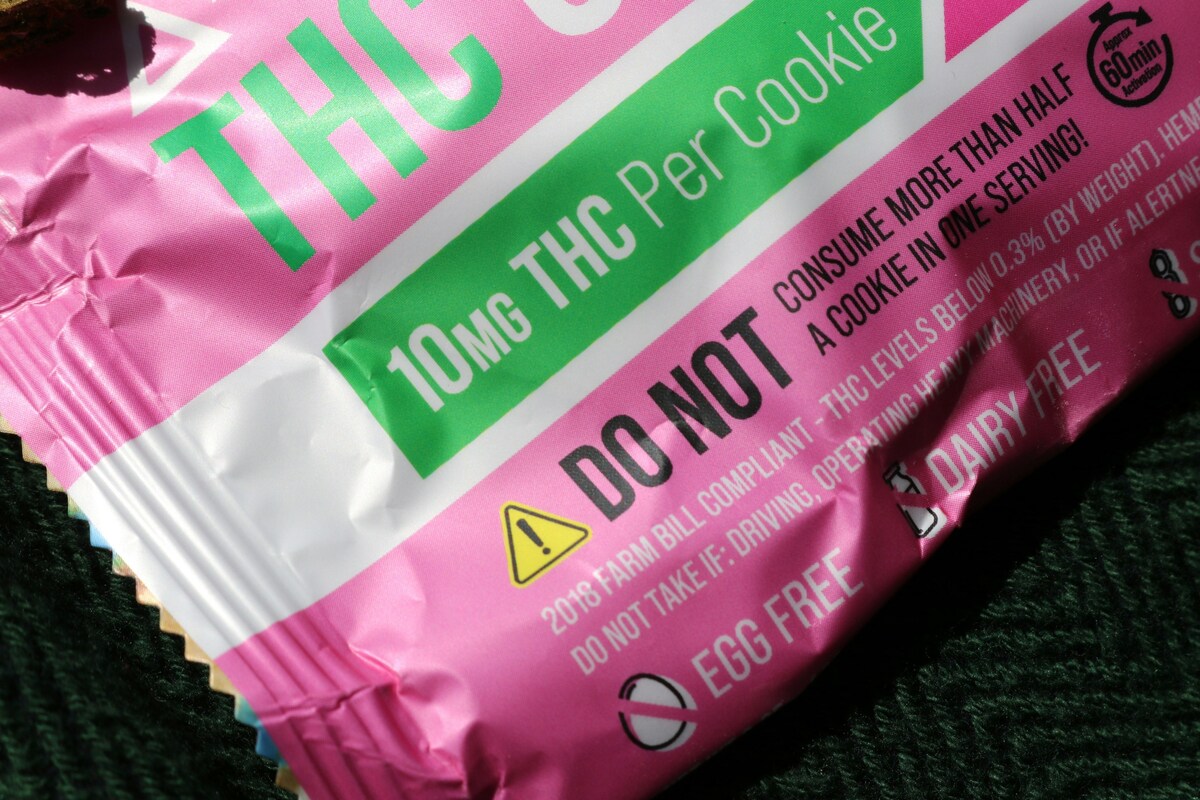
  • Regulatory and compliance readiness – Because cannabis packaging must include mandatory symbols, warnings, and THC/CBD disclosures, your logo must integrate into designs that leave space for required labeling.

Regulations, packaging requirements, and consumer expectations make generic or stereotypical branding risky. Without a strong logo strategy and clear brand identity, a company may blend in with dozens of competitors.

On the other hand, brands that invest in thoughtful logo design can build trust, differentiate themselves, and adapt across products and regulations. That often results in stronger consumer loyalty and better positioning long-term.

Why Logo Strategy Matters in Today’s Cannabis Market

Common Cannabis Logo Clichés to Avoid

Before you create a strong cannabis company logo design, it helps to know which visuals can weaken your brand or limit how people see your products.

The Overused Cannabis Leaf

The leaf isn’t harmful on its own, but relying on it as the entire logo often signals a generic or low-effort identity. In wellness, medical, or luxury categories, it can reduce the sense of quality or professionalism. If you use the leaf, make sure it supports the design instead of becoming the whole concept.

Rasta/Green-Only Color Palettes

Green is still useful, but brands that limit themselves to only green tones blend into a crowded visual landscape. Color systems inspired by skincare, cosmetics, craft beverages, or boutique wellness brands help you stand out and reach broader audiences.

Cartoonish, Childlike Illustrations

Many states restrict any packaging that could appeal to children. Logos with bright, candy-like colors or cartoon mascots fall into that category and can put you at compliance risk. A clean, adult-focused style keeps you safer and presents your brand in a more credible way.

Hyper-Literal Imagery

Icons like buds, smoke trails, bongs, or pipes can limit how far your brand can grow. They lock you into a narrow category and make it harder to expand into wellness, medical, or premium product lines. A more symbolic or abstract approach gives you room to evolve.

Five Design Principles for Strong Cannabis Logos

A strong cannabis logo design relies on timeless principles rather than short-lived trends. These fundamentals help your brand stay recognizable, compliant, and consistent as you expand.

1. Simplicity and Scalability

Your logo should stay clear and easy to identify, whether it appears on a billboard, a website header, a small vape pen label, or a compliance-heavy package. Simple marks reduce printing issues and keep your identity sharp at any size.

2. Distinctive Concepting

Instead of defaulting to leaf imagery, explore options such as abstract geometric shapes, symbols tied to your brand story, typography-driven marks, regional motifs, or minimalist monograms. Premium brands succeed because they think beyond the plant and build meaning into their visuals.

3. Legibility Across Packaging

Cannabis packaging must include:

  • THC symbols
  • Government warnings
  • Batch numbers
  • Potency details
  • Ingredient lists

Your logo has to remain readable around these elements and maintain its strength even when scaled down.

4. Versatility

A complete logo system often includes a primary lockup, a horizontal layout, a stacked version, a single-color option, and a small icon or favicon. These variations make your branding functional across social media, packaging, websites, merchandise, retail displays, and small-format print.

5. Emotionally Appropriate Tone

Different cannabis segments call for different aesthetics.

  • Premium lifestyle – clean lines, neutral palettes, bold contrast, refined typography.
  • Medicinal – structured fonts, wellness symbols, blues, and whites.
  • Adventure/outdoors – earthy palettes, rugged textures, strong lettering.
  • Fruity or edible brands – bright but mature tones with modern, compliant designs.

When your logo reflects the tone of your brand, it attracts the right audience and sets the right expectations from the first impression.

Five Design Principles for Strong Cannabis Logos

Compliance-First Design: What You Must Know

Compliance is where many cannabis logo designs run into problems. The issue usually isn’t the logo itself; it’s how the logo functions once it’s placed on packaging filled with required symbols, warnings, and testing details. A logo that can’t coexist with these elements becomes difficult or even impossible to use.

Required Label Elements

Most states require several items on every cannabis package, including:

  • A universal cannabis or THC symbol
  • THC/CBD potency
  • Batch and testing details
  • Mandatory health or safety warnings
  • Child-resistant packaging notes

These elements influence where your logo can sit on the label and how much space it can reasonably take up.

Forbidden Imagery

Regulations in many states restrict imagery that could appeal to minors. This means avoiding:

  • Cartoons or illustrated characters
  • Mascots
  • Candy-inspired visuals
  • Youth-oriented colors or shapes
  • Immitations of well-known non-cannabis brands

If your logo leans even slightly playful or resembles mainstream snack branding, regulators may flag it.

Logo Placement Rules

Some states also set rules for how design elements appear on packaging, such as:

  • Minimum contrast ratios
  • Minimum spacing around the universal cannabis symbol
  • No overlapping or crowding the THC badge
  • No covering mandatory language

Your logo has to adapt to these constraints, not overpower the legal elements on the label.

Practical Compliance Design Tips

DO:

  • Leave generous clear space around required symbols
  • Use high contrast for small text
  • Provide a clean, single-color version for packaging engineers

DON’T:

  • Force the logo into tight corners
  • Use thin lines that disappear when printed at small sizes
  • Use gradients that cause printing inconsistencies on child-resistant bags

Compliance isn’t a restriction; it’s a chance to show consistency, clarity, and professionalism across every product you release.

Packaging-First Examples

The strongest cannabis logos are designed with packaging in mind from day one. Here’s how different types of brands translate their identity into marks that remain compliant, readable, and premium across real-world formats.

Premium Minimalist Brands

Luxury cannabis brands often rely on subtlety and restraint. Their logos typically feature:

  • Refined, high-end typography
  • Clean monograms or symbolic initials
  • Black, gold, white, or muted earth tones
  • Minimalistic line work or abstract motifs

These designs excel on matte pouches, frosted glass jars, foil-stamped boxes, and other premium materials where simplicity amplifies sophistication.

Medicinal/Wellness Brands

Medical and wellness-focused companies prioritize trust and clarity. Their logos often include:

  • Clean sans-serif fonts for clinical readability
  • Blue, white, green, or calming tonal palettes
  • Wellness-inspired geometric shapes or cross-like symbols

This style helps reinforce safety, legitimacy, and purpose, especially important in markets where medical credibility is essential.

Craft or Heritage Brands

Craft growers and heritage-focused brands use design to communicate authenticity and tradition. Their logo styles frequently include:

  • Rustic or nature-inspired color palettes
  • Heritage or vintage-style typography
  • Iconic badges, seals, or crest-like structures
  • Regional cues or natural motifs

These marks tend to feel established, story-driven, and rooted in culture, making them ideal for brands built around legacy or locality.

Packaging-First Logo Examples

How to Create and Test a Compliance-Friendly Cannabis Logo

Creating a cannabis logo that looks great and passes compliance checks isn’t luck; it’s a structured process. Here’s a step-by-step workflow used by top cannabis designers and brand teams.

Step 1: Research Your Market

Start by mapping the landscape:

  • State regulations (THC icons, font sizes, warning language, color limitations)
  • Competitor visual trends (minimalist, medical, craft, luxury, lifestyle)
  • Retail shelf layouts (what actually stands out in dispensaries)

This gives you the blueprint for differentiation without violating rules.

Step 2: Build Concept Boards

Moodboards clarify direction early in the process. Collect examples of:

  • Typography styles
  • Color palettes
  • Symbol ideas
  • Competitive logos
  • Packaging examples

This prevents guesswork and aligns stakeholders before design begins.

Step 3: Sketch and Iterate

Start rough. Create multiple symbol, lettering, and composition ideas. Prioritize simplicity, scalability, and clarity. The three traits that consistently survive compliance review.

Step 4: Vectorize and Build Variants

Once your strongest concepts emerge, develop digital versions and create essential logo variants:

  • Full-color
  • Monochrome
  • Reverse (white or dark)
  • Standalone icon or badge
  • Horizontal and stacked versions

Flexibility is crucial since cannabis packaging varies widely in size and orientation.

Step 5: Packaging Mockups

Before finalizing, test your logo across the formats you’ll actually use:

  • Mylar bags
  • Glass jars
  • Concentrate containers
  • Vape carts
  • Pre-roll tubes
  • Shipper boxes and display trays

Mockups reveal issues like cramped spacing, unreadable small text, or color conflicts with warning panels.

Step 6: Compliance Review

Run the logo through a compliance filter:

  • THC warning placement
  • Required icons
  • Minimum type sizes
  • Child-appeal restrictions
  • Contrast ratios
  • Local retailer or distributor guidelines

Catching problems now prevents costly redesigns after thousands of labels are printed.

Step 7: Finalize Brand Guidelines

Wrap the process by creating a brand guideline package that includes:

  • Logo versions and spacing rules
  • Approved colors
  • Typography choices
  • Packaging do’s and don’ts
  • Placement rules for warnings and THC symbols
  • Examples of correct and incorrect usage

This ensures printers, designers, partners, and future team members maintain consistency.

How to Create and Test a Compliance-Friendly Cannabis Logo

Essential Logo Assets Every Cannabis Brand Should Have

A strong cannabis logo design isn’t just the main mark. It comes with a suite of assets that keep your branding consistent, readable, and compliant across all applications. Every cannabis brand should prepare:

  • AI/PDF master vector files for scalable, high-resolution use
  • Horizontal and vertical variants to fit different layouts
  • Single-color and reversed versions for flexible printing and digital use
  • Clear-space rules to maintain logo visibility
  • Packaging-safe color palette that works with mandatory icons and warnings
  • Icon or symbol mark for small-format use like labels, social media, or favicons
  • Compliance overview page for packaging and design teams

Having these assets ready saves design and production teams hours, prevents mistakes, and protects your brand’s professional appearance on every product and marketing channel.

Final Word

Cannabis logo design is no longer just about showing what you sell. It’s about communicating who you are, building trust, and navigating one of the most regulated packaging environments in consumer goods.

A strong cannabis logo stands out without relying on clichés, scales cleanly across packaging types, and remains compliant with state-specific rules. When done right, it becomes the cornerstone of a brand that grows, adapts, and thrives in a competitive market.

Ready to elevate your brand with a compliant, standout logo? Custom 420 Supply’s in-house design team specializes in cannabis logo design that balances creativity, compliance, and market impact. Contact us today to create a logo that builds trust, supports your products, and positions your brand for long-term success.

Frequently Asked Questions

What elements should you include when designing a cannabis logo?

A strong cannabis logo typically includes a clear, recognizable mark, typography that reflects your brand personality, and a color palette that aligns with your category (premium, medicinal, craft, or lifestyle). You should also prepare logo variants (horizontal, vertical, single-color, reversed) and establish clear-space and minimum-size guidelines to ensure readability across packaging, digital, and retail formats.

How do regulatory and compliance factors influence cannabis logo design?

State regulations affect what imagery, colors, and text can appear on cannabis packaging. Your logo must work alongside mandatory elements like THC symbols, health warnings, and potency information. Compliance also means avoiding child-appealing graphics, cartoons, or candy-inspired visuals. Designing with these rules in mind ensures your logo remains usable, legally safe, and professional across all products.

What are the latest logo design trends for cannabis brands?

Modern cannabis logos are moving away from overused leaf imagery and stereotypical visuals. Current trends include minimalist typography, abstract geometric marks, wellness-inspired symbols, monograms, and earthy or premium color palettes. Brands are also prioritizing versatility, ensuring logos work across small packaging, social media, and large-format displays while maintaining a professional, compliant look.

A Guide to Cannabis Brand Fonts: How Typography Defines Your Brand’s Personality

A Guide to Cannabis Brand Fonts: How Typography Defines Your Brand’s Personality

Cannabis brand fonts play a direct role in how quickly people recognize and trust your products, especially in a market that grows more competitive every year. Brands are fighting for attention on dispensary shelves, online stores, and social feeds, and typography is one of the fastest ways to communicate who you are.

The right fonts help customers understand your personality at a glance, shape how “premium” or approachable your products feel, and build the kind of familiarity that brings people back.

In this guide, we’ll walk through how typography shapes brand identity, what different font families signal to consumers, how to choose pairings that support your identity, and how to stay compliant and accessible in a regulated industry.

Why Typography Matters for Cannabis Brands

Typography is one of the first cues consumers use to read your brand. At a glance, fonts show whether you’re premium or fun, medical or lifestyle-focused, minimalist or artisanal. Clear typography improves perceived quality, enhances readability, and supports the trustworthiness of your packaging.

In the cannabis industry, where label rules vary by state, typography also performs a crucial legal role. Required details (like dosage, warnings, ingredients, potency, and regulatory symbols) must remain readable even at small sizes. For example, some regions mandate a minimum label font size (often no smaller than 6-point) to ensure compliance.

That means the best fonts for cannabis branding need to balance style, clarity, and regulatory compliance at the same time.

Typography is Your Brand Voice: What Fonts Communicate

Typography in cannabis branding works the same way your verbal tone does. Each font category sends emotional signals that shape how people interpret your products before they read a single line. Here’s a clear breakdown of what each style communicates and when it works best.

Serif Fonts

Vibe: heritage, artisanal, premium, trustworthy

Best for: craft flower brands, CBD wellness lines, medical-leaning products

Serif fonts add a sense of history and care. Their small strokes and details create a feeling of quality, which helps customers associate your brand with consistency and reliability.

Sans-Serif Fonts

Vibe: modern, clean, transparent, tech-forward

Best for: recreational brands, contemporary edibles, vaporizer, and device companies

Sans-serifs feel open and straightforward. They’re a strong fit for brands that want to appear honest, friendly, or youth-oriented. These fonts often scale well in digital environments, which is helpful for e-commerce and mobile menus.

Display and Script Fonts

Vibe: expressive, handcrafted, bold

Best for: logos, headers, small-batch microbrands, legacy or counterculture lines

Display and script fonts create a strong personality fast, but they lose clarity if used for long text or compliance details. Keep them in headline roles where you need energy or a crafted feel without risking readability.

Geometric, Monospaced, or Technical Fonts

Vibe: clinical, scientific, precise

Best for: medical cannabis brands, lab-driven companies, product lines emphasizing purity and testing

These font styles signal structure and accuracy. They’re often associated with science, which helps reinforce credibility for brands focused on lab testing, extraction, or pharmaceutical-style product lines.

Typography is Your Brand Voice - What Fonts Communicate

Readability and Legibility: The Non-Negotiables

Before you focus on creative flair, clarity must come first.

Why Legibility Matters:

  • Regulatory text on cannabis packages must meet minimum size standards. For example, in many jurisdictions required label text must use a “typed, legible font… at least 1/16th of an inch in height” (measured on an uppercase letter) to be compliant.
  • Consumers depend on easily readable dosage, warning, and ingredient information to use products safely. If fonts are too small or decorative, it can create confusion or even legal risk.
  • On a crowded dispensary shelf, clear, legible labels help products stand out and be recognized quickly.

Best Practices For Legibility:

  • Use simple sans-serif fonts (like Inter, Roboto, or Helvetica-style faces) for body text or regulatory information. These tend to stay readable even at small sizes.
  • Keep strong contrast between text and background, avoiding light gray text on colorful or patterned backgrounds. A high contrast assures readability under various lighting.
  • Maintain generous spacing: appropriate line height (for example, 120–150% of the font size) and enough padding around text blocks improve readability and reduce visual clutter.
  • Test every font at actual packaging size. A typeface might look clear on a large screen or billboard, but become unreadable on a small container, vape pen, or edible pouch. Many label-source guides recommend real-world testing for size, contrast, and durability.

If your font looks crisp on a poster but scrunched on a 1-inch label (especially under low or bright dispensary lighting) it’s not the right choice.

Font Categories and When to Use Them (With Cannabis Examples)

Choosing the right font category helps your cannabis brand stay clear, memorable, and emotionally consistent. Here’s how each type functions and when it’s most effective.

Serif Workhorses

Use serif fonts when you want to communicate premium, earthy, timeless, or medicinal qualities. They’re a strong fit for craft-grown flower lines and therapeutic cannabidiol (CBD) products. A tall, elegant serif on a tincture label signals trust, care, and a grounded brand personality.

Clean Sans-Serifs

Modern cannabis brands (especially those in edibles, beverages, wellness, or tech-driven products) often lean on clean sans-serifs. These fonts stay readable at small sizes, scale well across formats, and support a friendly, transparent tone.

Display and Script Fonts

Display and script styles work well for brand names, logos, or standout elements on packaging. They’re popular among microbrands and legacy-inspired lines that want a bold, expressive, or retro energy. The key is balance: they belong in headlines, not in dosage or compliance text.

Handwritten and Retro Fonts

These fonts can support brands that tap into nostalgia, 70s-style visuals, or classic “stoner culture” cues. They add warmth and personality, but should stay limited to accents. Heavy use can make a brand feel unclear or inconsistent.

Custom and Variable Fonts

Some cannabis companies invest in custom typefaces to build a distinct visual identity. Variable fonts are especially useful because their flexible weight and width settings allow consistent readability across packaging sizes, websites, and digital menus without losing clarity.

Practical Font Pairings for Cannabis Brands

Smart font pairing helps your packaging stay expressive while still meeting compliance and readability needs. Here are reliable combinations that work well across cannabis categories.

1. Modern Premium

Headline: DM Serif Display

Body: Inter

Why it works: This blend offers an elevated serif voice with clean, modern readability. It’s ideal for premium flower, tinctures, and wellness-forward lines that want to feel refined without looking old-fashioned.

2. Clean Recreational

Headline: Montserrat

Body: Roboto

Why it works: Both fonts are approachable, youthful, and strong on digital screens. This duo is great for recreational brands, edibles, infused drinks, or lifestyle-driven products.

3. Medical / Clinical

Headline: Helvetica Neue or a similar geometric sans

Body: Open Sans

Why it works: These fonts remain highly legible at small sizes and project trust, safety, and professionalism; crucial traits for medical cannabis brands and lab-forward companies.

4. Boutique / Craft

Headline: Playfair Display

Body: Lora or Georgia

Why it works: These pairings evoke artisanal quality and organic roots. They fit well with small-batch flower lines, farm-grown brands, and premium CBD products.

5. Legacy / Counterculture

Headline: Custom display font

Body: A simple sans-serif

Why it works: You get a bold personality up top while keeping compliance text clean and easy to read. This combo protects legibility without losing the rebellious energy of legacy or counterculture brands.

Practical Font Pairings for Cannabis Brands

Web and Digital Considerations

A font that works well on packaging won’t always behave the same way on your website or mobile shop. Digital environments add new requirements that influence clarity, load time, and accessibility. Here’s what to prioritize when choosing cannabis brand fonts for online use.

  • Use variable fonts to improve performance. They reduce file requests and help pages load faster, especially on mobile.
  • Choose web fonts with broad browser support. This prevents layout shifts or fallback fonts that can weaken your brand identity.
  • Build a scalable type system. Make sure headlines, body text, and dosage numbers stay readable on small screens.
  • Check numeric clarity. Dosage values and product strengths must be unmistakable at any size.
  • Follow WCAG contrast standards. High contrast improves accessibility and supports customers who rely on screen readers or low-vision settings.

Your digital typography should stay consistent with your packaging type choices. This creates a unified identity across e-commerce, social platforms, and physical products.

Licensing, Trademarks, and Legal Checklist

Typography choices aren’t purely creative decisions; they also carry legal and operational weight. Using the wrong font can delay packaging approvals or create trademark issues later. Here’s what to verify before finalizing any cannabis brand fonts.

  • Confirm commercial licensing for every use case, including packaging, web, digital ads, print materials, and merchandise.
  • Avoid fonts labeled “free for personal use.” These are not permitted for commercial branding and can lead to legal disputes.
  • Store all license files and receipts in your brand asset folder so your team can access them during audits or redesigns.
  • Check whether your logo font allows derivative works. Some licenses restrict modification, which can impact logo design or custom wordmarks.
  • For custom typefaces, document ownership and rights in writing. This ensures you control the font long-term and can use it across future product lines.

Packaging and Regulatory Constraints

In regulated markets, your typography choices must meet more than style goals. Label design must satisfy state rules, and that includes how text, symbols, and warnings appear. No matter how creative your cannabis brand fonts are, packaging must stay compliant.

What the Rules Typically Require

  • In many places, required warnings must be printed in at least 6-point font (or equivalent legibility) and be clearly visible.
  • Required symbols (such as the universal cannabis/THC symbol or child-safety icons) must be present, clearly visible, and of a minimum size.
  • Text and symbols must stand out with good contrast and unobscured placement to ensure readability and regulatory compliance.
  • Many states forbid overly decorative or misleading typography on regulated labels (especially for medical or edible products). Labels must not use designs that could appeal to minors or obscure mandatory information.

How to Stay Compliant

  • Build a clear typographic hierarchy: e.g., brand name → strain or product name → dosage/THC content → required warnings and symbols. This order helps make sure compliance info is legible and prioritized.
  • Use a “compliance typeface,” such as a plain, highly legible font (serif or sans-serif) for warnings, dosage, and regulatory data. That keeps the required information separate from decorative branding elements.
  • Always mock up packaging at true size before printing. A font that looks fine on screen might be too small, blurry, or illegible on a real package.
  • Avoid blending decorative/expressive fonts with critical info. Decorative fonts can harm legibility and may run afoul of state regulations if warnings or symbols are obscured.
Packaging and Regulatory Constraints for Cannabis Brand Fonts

Final Word

Typography isn’t just decoration; it’s your brand’s personality, voice, and first impression.

The right cannabis brand fonts can elevate your identity, build trust, enhance compliance, and help your products stand out in an increasingly saturated market. By pairing expressive, on-brand type choices with legible, compliance-focused typography, you’ll build a design system that looks great, performs even better, and helps your customers feel confident choosing your products.

Need help getting it right?

At Custom 420 Supply, our in-house design team specializes in creating compliant, premium cannabis labels that meet state regulations and elevate your brand. Whether you need a full typography system, a refreshed wordmark, or packaging-ready label files, we ensure every detail is both beautifully crafted and fully compliant. Contact us today!

Frequently Asked Questions

How do you choose typography that reflects a cannabis brand’s personality?

Choose typography based on the tone and emotion you want your brand to communicate. Modern sans-serifs work well for clean, wellness-focused brands, while bold serifs or display fonts can signal heritage, luxury, or creativity. Look for fonts that match your brand values, speak to your target audience, and stay readable across packaging, digital, and print.

Which font styles help a cannabis product stand out on-shelf?

High-contrast serif fonts, modern geometric sans-serifs, and custom display fonts can help cannabis products stand out. Pair an expressive headline font with a clean, readable body font. Strong hierarchy, consistent spacing, and clear labeling also make your packaging more eye-catching and easier for shoppers to navigate.

What are the legal and readability considerations when selecting fonts for cannabis packaging?

Cannabis packaging must meet state-specific rules for minimum font sizes, contrast, warnings, and legibility. Avoid overly decorative or hard-to-read fonts for required information. Use a clear compliance typeface for warnings and drug facts, ensure symbols and labels meet size requirements, and verify that all fonts have proper commercial licensing for packaging use.

How to Start a Cannabis Brand: The Complete Step-by-Step Guide

How to Start a Cannabis Brand: The Complete Step-by-Step Guide

The cannabis industry is booming, and entrepreneurs are taking notice. If you’re wondering how to start a cannabis brand, you’re stepping into a market full of opportunity.

However, it’s not as simple as growing a plant or selling a product. Successful cannabis brands require careful planning, compliance with local or national regulations, strategic branding, and smart business operations.

This guide will walk you through how to start a cannabis brand from scratch. You’ll learn how to:

  • Choose the right business model
  • Conduct market research
  • Navigate licensing and compliance
  • Build efficient operations
  • Develop a strong brand identity
  • Launch products safely and effectively

Even if you’re new to the cannabis industry, by the end, you’ll have a clear roadmap to create and grow your own cannabis brand.

Before you dive in, grab our free Cannabis Brand Launch Checklist, a complete, step-by-step guide designed to help new founders launch their cannabis brand the right way and avoid costly mistakes.

Cannabis Industry Landscape and Why It Matters

The legal cannabis market has grown rapidly over the last decade. If you’re learning cannabis brand strategy, understanding the industry landscape is essential.

Globally, legal cannabis sales totaled $30.1 billion in 2024, driven by recreational, medical, and wellness segments. Consumers are shifting beyond traditional flower to value-added products like edibles, concentrates, vapes, topicals, and functional wellness products.

Regulations vary widely by region. In the U.S., each state sets its own rules for cultivation, processing, distribution, and retail. There is no uniform federal standard, so a strategy that works in California may not apply in New York or other states. In Canada, provincial laws govern distribution and retail, while international markets may have completely different frameworks for medical or CBD products.

Knowing the market landscape helps you identify where your brand can operate legally, which products are in demand, and how consumer preferences are evolving. This knowledge is critical to building a compliant, competitive, and profitable cannabis brand.

Step 1: Decide What Kind of Cannabis Brand You’ll Build

The first major decision you’ll make for your cannabis business is choosing your business model and product focus. This choice will shape your operations, licensing needs, startup costs, and marketing strategy.

Product Types

Cannabis brands can focus on one or more of the following:

  • Flower & Pre-Rolls  Traditional cannabis products, often high in tetrahydrocannabinol (THC) for recreational use or high in cannabidiol (CBD) for wellness and therapeutic purposes.
  • Vapes & Concentrates – Oils, distillates, shatter, or cartridges for inhalation. Popular among experienced consumers.
  • Edibles & Beverages – Gummies, chocolates, drinks, or infused foods that provide discreet and convenient consumption options.
  • Topicals & Wellness Products – Lotions, balms, tinctures, or non-intoxicating CBD products targeting health and wellness markets.
  • CBD or Hemp Products – Often legal across state lines, making them suitable for e-commerce, supplements, and wellness-focused brands.

Business Models

Your business model determines how you operate and generate revenue. Common approaches include:

  • Vertically Integrated – You handle cultivation, manufacturing, and retail. Offers higher margins but requires significant capital and regulatory compliance.
  • White-Label / Co-Packing – You brand and market products manufactured by another licensed company. Lower upfront costs and faster time-to-market.
  • Brand-Only / Licensing – Focus solely on marketing and sales, licensing your brand to manufacturers while minimizing operational responsibilities.
  • Retail or Delivery Brand – Operates dispensaries or delivery services and sells branded products directly to consumers.

Choosing the right model depends on your startup capital, desired control, regulatory feasibility, and target market. Many first-time entrepreneurs start with white-label or co-packing models because they reduce operational risk while still allowing strong brand-building.

Decide What Kind of Cannabis Brand You’ll Build

Step 2: Research and Market Validation

Before investing time and money, it’s essential to validate your idea. Market research ensures there’s demand for your products and that your business can operate legally and competitively.

Identify Your Target Customers and Use Cases

Understanding your customers is critical. Ask who will buy your products and why:

  • Medical patients – Seek therapeutic benefits, strain-specific effects, and consistent dosing.
  • Recreational users – Look for convenience, flavor, potency, and an engaging brand experience.
  • Wellness enthusiasts – Interested in CBD, functional formulations, or adaptogenic products for daily health and relaxation.

Conduct Competitive Research

Analyze existing products, pricing, and packaging in your target market. Look for gaps or opportunities:

  • Are certain effects, flavors, or formats underrepresented?
  • Which distribution channels (retail, delivery, or e-commerce) are underserved?
  • What packaging or branding trends are resonating with consumers?

Understand Regulatory Requirements

Compliance is non-negotiable in the cannabis industry. Research your local rules:

  • Check licensing windows and application requirements for cultivation, manufacturing, or retail.
  • Understand zoning laws for dispensaries, cultivation sites, or processing facilities.
  • Learn advertising restrictions, labeling rules, and what health claims are allowed.

Tip: Most states provide starter kits or official guidance online detailing compliance requirements. Start with your local government resources to save time and avoid costly mistakes.

Step 3: Build a Cannabis-Specific Business Plan

A solid business plan is essential when learning the best practices for cannabis business strategy. It helps you outline your strategy, secure funding, and ensure compliance in a highly regulated industry. Your plan should include the following components:

Core Sections of Your Business Plan

  • Executive Summary – Your vision, target market, and growth strategy.
  • Market Analysis – Key trends, consumer behavior, and competitive landscape.
  • Product Mix – The products you’ll sell, formulations, and branding approach.
  • Operations Plan – Production processes, supply chain management, and staffing.
  • Compliance Plan – Licensing requirements, product testing, and standard operating procedures (SOPs).
  • Security Plan – Surveillance, access control, and recordkeeping measures.
  • Financial Model – Startup costs, projected revenue, and unit economics.
  • Exit Strategy – Plans for acquisition, licensing, or scaling your brand.

Understanding Capital and Startup Costs

Cannabis businesses often require significant upfront investment. Estimated startup costs include:

Category Estimated Range
Licensing & legal $10,000 – $150,000+
Facility & compliance upgrades $50,000 – $500,000+
Product formulation & testing $15,000 – $75,000+
Packaging & branding $8,000 – $50,000+
Marketing & launch $5,000 – $40,000

Costs vary depending on your business model, product type, and local regulations, so plan accordingly.

Key Performance Indicators (KPIs) to Track

Monitoring KPIs before and after launch helps ensure your cannabis brand stays on track:

  • License approval timelines
  • Product testing pass rates
  • Marketing engagement metrics
  • Sales conversions and profit margins
Build a Cannabis-Specific Business Plan

Step 4: Licensing, Permits, and Compliance

Understanding cannabis branding for startups means knowing that licensing and compliance are non-negotiable. Requirements vary widely by state, province, or country, so it’s critical to follow your local regulations carefully.

Common Licensing and Permit Requirements

Most jurisdictions require some combination of the following:

  • State or provincial cannabis license for cultivation, manufacturing, or retail
  • Local zoning approval for your facility or dispensary
  • Facility plans with security protocols
  • Standard operating procedures (SOPs) for production and safety
  • Supply-chain records and batch tracking
  • Owner background checks and proof of financial stability

Ongoing Compliance Obligations

After licensing, maintaining compliance is an ongoing responsibility:

  • Seed-to-sale reporting to track all products
  • Product testing and quality assurance for safety and potency
  • Packaging and labeling standards, including child-resistant and regulated labeling
  • Advertising restrictions, including social media and online promotions

Expert Guidance

Hiring a cannabis attorney or compliance consultant is strongly recommended, especially for vertically integrated or white-label operations. Mistakes in licensing or compliance can be costly, and in some cases, they can shut your business down entirely.

Step 5: Operations and Tech Stack

A robust operations setup and technology stack are essential when learning the cannabis industry, helping you stay compliant, efficient, and ready to scale:

  • POS & Inventory Systems – Use seed-to-sale compliant platforms to track products from production through retail. These systems streamline inventory management, reporting, and regulatory audits.
  • Security & Surveillance – Implement cameras, alarms, access control, and data retention policies. Many jurisdictions require these measures to protect your products and comply with regulations.
  • Facilities – Define the purpose of your space (cultivation, manufacturing, or distribution), as this affects equipment, licensing, and workflow design.
  • Vendors – Carefully evaluate co-packers, processors, and testing labs for reliability, regulatory compliance, quality standards, and turnaround times. Strong vendor relationships support consistent product quality and operational efficiency.
Operations and Tech Stack in the Cannabis Industry

Step 6: Supply Chain, Sourcing, and Manufacturing

Building a reliable supply chain is critical when learning how to start a cannabis brand. Every decision impacts product quality, compliance, and brand reputation:

  • Grow vs. Contract vs. Third-Party Manufacturing – Decide whether to cultivate in-house, work with a contract grower, or use third-party manufacturers. Consider the trade-offs between control, cost, and scalability.
  • Quality Control – Mandatory testing ensures potency, consistency, and safety by checking for contaminants and verifying product specifications. Strong quality control builds consumer trust and protects your brand.
  • Packaging & Child-Resistant Compliance – All products must meet labeling requirements, include THC warnings, and use tamper-evident packaging. Sustainable packaging can also enhance your brand image and appeal to environmentally conscious consumers.

Step 7: Brand, Packaging, and Marketing

Brand Positioning

Your positioning should focus on trust, compliance, and clarity. Key elements include:

  • Compliance-first messaging that aligns with regulations
  • Educating consumers on product benefits and safe usage
  • Clearly communicating product advantages and differentiators

Packaging Pitfalls

Packaging must meet regulatory requirements while supporting your brand image:

  • Avoid false claims or misleading statements
  • Ensure labels meet THC/CBD disclosure requirements
  • Use child-resistant, tamper-evident packaging
  • Consider sustainable packaging to strengthen brand perception and appeal

Marketing Channels

Choose marketing strategies that maximize reach and compliance:

  • SEO, content marketing, PR, events, and email campaigns
  • Social media and influencer collaborations where legally allowed
  • Wholesale and retail outreach to expand your distribution network

Go-To-Market Options

Determine the best distribution methods for your products:

  • Retail dispensaries
  • Direct-to-consumer sales (where legal)
  • E-commerce platforms
  • Delivery services to reach local customers efficiently
Brand, Packaging, and Marketing in Cannabis

Step 8: Sales Channels and Distribution Strategy

Choosing the right sales channels and distribution methods is a key step in your cannabis business. Your approach affects revenue, brand visibility, and compliance.

Retail Partnerships

Work with dispensaries or retail partners to expand your reach:

  • Negotiate margins, slotting fees, and demo or sample policies
  • Build relationships that increase product placement and brand awareness

Own Retail / Delivery

Direct-to-consumer channels help strengthen your brand:

  • Selling through your own retail store or delivery service creates closer customer relationships
  • Increases brand loyalty and control over the customer experience

B2B Distribution

Expand your reach through business-to-business agreements:

  • Sell products to other brands or dispensaries under white-label arrangements
  • Enables faster growth without owning all production or retail operations

Step 9: Finance, Fundraising, and Unit Economics

Understanding the financial side is critical when learning how to get into the cannabis industry. Proper funding, cost management, and unit economics determine whether your business can grow sustainably.

Startup Costs and Funding Sources

Cannabis businesses often require significant upfront investment. Common funding sources include:

  • Personal capital from savings or existing assets
  • Friends, family, or angel investors for early-stage funding
  • Specialized cannabis lenders who understand the industry’s regulatory risks
  • Venture capital or private equity (less common due to federal restrictions in the U.S.)

Financial Controls

Strong financial management protects your brand and ensures long-term success:

  • Track costs, cash flow, and profit margins carefully
  • Banking can be challenging in regions where cannabis remains federally restricted, so plan accordingly
  • Tax planning is essential, particularly in the U.S., where Section 280E limits deductions for cannabis businesses

Step 10: Risk Management and Social Responsibility

Managing risk and prioritizing social responsibility are essential for this business. These practices protect your business, customers, and reputation.

Risk Mitigation

  • Product liability insurance to cover accidents or claims
  • Recall procedures and SOPs to respond quickly to quality or safety issues
  • Regulatory compliance monitoring to ensure ongoing adherence to local, state, and national rules

Social Responsibility

  • Ethical partnerships and transparency in sourcing and operations
  • Community engagement through education, events, or sponsorships
  • Harm reduction and responsible use messaging to promote safe consumption

Brands that prioritize safety, transparency, and ethical practices earn consumer trust and loyalty, laying the foundation for long-term success.

Risk Management and Social Responsibility in the Cannabis Industry

Final Word

Launching a cannabis brand is challenging, but with careful planning, compliance, and strategic branding, it’s entirely achievable. Success depends on thorough market research, efficient operations, reliable supply chain management, and building a trustworthy, recognizable brand.

If you need help selecting sustainable, child-resistant, and fully compliant cannabis packaging, Custom 420 Supply can support your launch. Our expertise ensures your products meet regulatory standards while looking professional and appealing on shelves.

Contact us today to get started with packaging solutions that help your cannabis brand shine and stand out in the market.

Frequently Asked Questions

What budget and resources are required to build a compliant cannabis brand?

Building a compliant cannabis brand typically requires significant capital, depending on your business model. Startup costs can range from $50,000 for a white-label or co-packing operation to over $500,000 for vertically integrated cultivation and retail. Key resources include licensing, legal support, facilities, POS and seed-to-sale systems, testing labs, packaging, marketing, and trained staff. Budgeting for regulatory compliance and quality control is essential.

How do you measure the success of a cannabis branding strategy?

Success can be measured by multiple metrics, including brand awareness, consumer trust, sales conversions, repeat purchase rates, and engagement on marketing channels like social media, email, and events. Compliance and consistent product quality also reflect branding effectiveness, as a trusted, transparent brand builds long-term loyalty.

What are common mistakes to avoid when launching a cannabis brand?

Common pitfalls include ignoring licensing and compliance requirements, underestimating startup costs, failing to conduct market research, overcomplicating supply chains, using non-compliant packaging, and neglecting branding or marketing strategy. Partnering with experienced vendors and staying informed about local regulations helps mitigate these risks.

Cannabis Color Palette: How to Choose Packaging Colors That Sell

Cannabis Color Palette: How to Choose Packaging Colors That Sell

A cannabis color palette isn’t just about aesthetics; it’s a key part of brand identity. In today’s competitive cannabis market, color does more than make packaging look good; it shapes how customers feel about a product before they even pick it up. Each shade carries emotional weight, influencing everything from perceived quality to purchase intent.

Research shows that up to 90% of first impressions are based on color alone, proving that choosing the right cannabis brand design colors can determine whether your brand stands out or gets lost on the shelf.


Key Highlights

  • The Power of Color – A well-chosen cannabis color palette influences consumer perception, evokes emotion, and drives purchase decisions, making it a critical element of brand strategy.
  • Strategic Application – Effective palettes align with brand personality, product type, and audience expectations, while maintaining legibility, consistency, and accessibility across all packaging and marketing channels.
  • Trends and Psychology – Modern cannabis brands leverage color psychology and design trends (like bold minimalism, tactile effects, and eco tones) to stand out, build trust, and create memorable brand experiences.

Why Color Matters in Cannabis Packaging

Color isn’t just visual; it’s psychological. In cannabis packaging, it plays a direct role in shaping consumer behavior. Studies show that most purchase decisions happen in seconds, often driven by emotional cues rather than logic. That means your cannabis branding color palette can be the deciding factor between a sale and a pass.

Here’s how the right palette can influence your brand’s success:

  • Capture attention. Vibrant, balanced colors help your products stand out on crowded dispensary shelves.
  • Communicate meaning. Different hues signal product type, quality, and even effects (like soothing greens for relaxation or energetic yellows for creativity).
  • Build loyalty. Consistent use of color across your packaging, website, and marketing creates familiarity and trust over time.
  • Boost recognition. A cohesive cannabis color palette can increase brand recall and trust by as much as 80%.

How to Build Your Cannabis Color Palette

Building an effective cannabis color palette starts with clarity: knowing your brand personality, understanding your audience, and defining the emotional response you want to create. Successful cannabis brands approach color strategically, using it as a visual language that connects product experience with consumer perception.

Here’s a practical framework to guide your process:

1. Define Your Brand Personality

Ask what your brand represents (luxury, wellness, creativity, calm, or energy). Each trait aligns with specific color choices. Keeping this consistent across packaging, marketing, and online channels reinforces your identity and strengthens brand recognition.

2. Connect Product Attributes to Color

Different cannabis products and strains naturally align with unique color families that reflect their effects and mood:

  • Indica – Deep purples and cool blues evoke calm and relaxation.
  • Sativa – Bright yellows, greens, and oranges express creativity and energy.
  • Hybrid – Soft greens, muted purples, and neutrals represent balance and harmony.
  • CBD Products – Clean whites, light greens, and blues signal purity and wellness.

3. Choose Primary, Secondary, and Accent Colors

Your primary color should communicate your brand’s core identity, while secondary and accent colors create depth and distinction between products or strains. This hierarchy keeps your design cohesive and visually engaging.

4. Test and Refine

Colors behave differently across packaging materials, digital screens, and lighting. Use mockups to test shelf appeal and online presentation. Refine until your palette delivers consistent impact everywhere your brand appears.

How to Build Your Cannabis Color Palette

Color Psychology for Cannabis Brands

Color psychology plays a major role in shaping how consumers interpret the best color palette for cannabis brands.

Every hue carries emotional meaning and influences how your brand is perceived, from calming and trustworthy to bold and adventurous. Understanding these associations helps you choose colors that support your product’s purpose and connect authentically with your audience.

Below is a breakdown of how specific colors impact cannabis branding today:

Green: The Freshness of Nature

  • Symbolism – Growth, wellness, balance, and sustainability.
  • Use Case – Best for eco-conscious or natural cannabis brands that emphasize organic cultivation or holistic wellness.
  • Caution – Since green dominates the cannabis industry, rely on secondary tones or textures to keep your packaging distinctive.

Red: The Power of Excitement

  • Symbolism – Energy, confidence, and stimulation.
  • Use Case – Effective for bold, high-potency strains or products that evoke passion and intensity.
  • Caution – Use sparingly. Too much red can feel aggressive or signal danger.

Blue: The Psychology of Calm

  • Symbolism – Trust, reliability, and tranquility.
  • Use Case – Ideal for premium, medical, or wellness-focused cannabis lines that aim to inspire calm.
  • Caution – Overuse can create a cold or distant tone.

Yellow: The Brightness of Optimism

  • Symbolism – Creativity, happiness, and warmth.
  • Use Case – Perfect for sativa-dominant or mood-boosting products.
  • Caution – Excessive yellow may cause visual strain or anxiety.

Orange: The Vibrancy of Youth

  • Symbolism – Enthusiasm, confidence, and playfulness.
  • Use Case – Appeals to younger audiences and lifestyle-driven brands.
  • Caution – Less suitable for luxury or medical-focused products.

Purple: The Richness of Sophistication

  • Symbolism – Royalty, mystery, and relaxation.
  • Use Case – Works well for indica strains or upscale cannabis brands.
  • Caution – Deep purples can feel heavy without balancing lighter accent colors.

Pink: The Playfulness of Expression

  • Symbolism – Creativity, approachability, and warmth.
  • Use Case – Common in feminine or lifestyle-focused cannabis branding.
  • Caution – Can appear gendered. Ensure to balance with neutral or natural tones.

Black: The Elegance of Minimalism

  • Symbolism – Power, exclusivity, and sophistication.
  • Use Case – Perfect for minimalist or premium cannabis products.
  • Caution – May appear harsh without metallic or bright accents for contrast.

White: The Purity of Simplicity

  • Symbolism – Cleanliness, clarity, and quality.
  • Use Case – Ideal for CBD and wellness brands that emphasize purity and transparency.
  • Caution – Can feel sterile if not paired with soft neutrals or natural textures.

Sample Cannabis Color Palettes (with HEX Examples)

Below are a few ready-to-use cannabis color palettes that illustrate how tone can align with product purpose.

Relax (Indica) Palette

  • Deep Plum – #4B244A
  • Midnight Blue – #2B3A67
  • Sage Green – #A3B18A

Energy (Sativa) Palette

  • Bright Lime – #C1FF72
  • Warm Yellow – #FFD60A
  • Burnt Orange – #FF6F00

Wellness (CBD) Palette

  • Soft Blue – #B5D3E7
  • Cream – #F5F3E7
  • Olive Green – #7C9473

Luxury (Premium Brand) Palette

  • Jet Black – #0B0C10
  • Gold Accent – #D4AF37
  • Ivory – #FAF6F0
Sample Cannabis Color Palettes (with HEX Examples)

Modern cannabis packaging color trends reflect a shift toward sophistication and sensory appeal.

Today’s leading brands are moving away from clichéd “green leaf” visuals and experimenting with textures, contrast, and emotion-driven color combinations. The goal isn’t just to look appealing; it’s to communicate values like sustainability, creativity, and premium quality through design.

Here are some of the most effective color trends shaping the cannabis industry:

  • Matte black with metallic accents – Creates a sleek, high-end look that appeals to luxury consumers.
  • Retro typography with pastel hues – Combines nostalgia with approachability, perfect for lifestyle or wellness brands.
  • Eco-inspired tones – Earthy greens, natural neutrals, and recycled textures signal environmental responsibility.
  • Fluorescent pops on dark bases – Bright accents highlight product details and attract attention on both shelves and screens.

These design approaches balance visual impact with brand storytelling, helping products stand out in dispensaries and digital marketplaces alike.

Practical Tips for Color Application

Choosing your cannabis color palette is only half the job: how you apply it determines how effective your branding will be. Thoughtful color use improves readability, builds trust, and ensures your design works across every touchpoint, from packaging to digital ads.

Here are a few practical tips to get it right:

  • Prioritize contrast and legibility. Make sure strain names, dosage details, and legal information remain clear against background colors. High-contrast designs enhance both readability and compliance.
  • Maintain visual consistency. Use the same hues and tones across product lines to create instant brand recognition and cohesive storytelling.
  • Check accessibility. Test your color palette with color-blindness simulators or online accessibility tools to ensure all customers can engage with your design.
  • Match color to brand emotion. Every shade should align with your brand’s story, target audience, and desired emotional impact, whether it’s calm, creativity, or luxury.

Final Word

A thoughtful cannabis color palette does more than make your packaging look appealing; it creates emotional resonance. When color choices align with your brand story and audience values, they become powerful tools for connection and recognition.

By understanding color psychology and applying it with intention, cannabis brands can craft designs that stand out, build trust, and inspire loyalty. From calming greens to bold metallics, every hue has the potential to influence how consumers feel and what they choose.

Color isn’t just visual; it’s strategic. When used effectively, it strengthens identity, drives sales, and helps your brand leave a lasting impression in an increasingly competitive market.

Looking to create a cannabis color palette that truly connects with your audience? Custom 420 Supply can help. Our team of in-house designers works directly with brands to craft color strategies that elevate packaging, convey your story, and make your products unforgettable. We invite you to reach out through our contact page today!

Frequently Asked Questions (FAQs)

What color palettes work best for cannabis brand identity?

Effective palettes align with your brand personality and product type. Greens, purples, and blues communicate wellness or relaxation, while oranges and yellows convey energy and creativity. Luxury lines often use black, gold, and cream for sophistication.

How do color psychology and cannabis branding intersect?

Color psychology influences consumer perception, emotion, and purchasing decisions. By choosing colors that reflect your brand’s story and product effects, a cannabis color palette can trigger trust, excitement, or calm, directly impacting conversions and loyalty.

What are emerging color palette trends in cannabis product packaging?

Current trends include bold minimalism, retro-inspired pastels, eco-friendly earthy tones, and metallic accents. Fluorescent highlights and tactile finishes are also popular, helping products stand out on shelves and in digital marketplaces.

Elevate Your Brand with Unique Die-Cut Boxes

Elevate Your Brand with Unique Die-Cut Boxes

Die-cut boxes are a popular choice in the world of packaging as they offer a unique blend of aesthetic appeal and functional design. However, you may wonder if they’re the right packaging solution for your cannabis brand.

In this article, we’ll explore how you can get creative with die-cut, enhancing both the unboxing experience and the visual branding of your products.

What is a Die-Cut Box?

Die-cut boxes are custom-made packaging solutions, tailored to fit specific dimensions and protection needs.

These boxes are cut from flat sheets of material using a die; a specialized tool crafted to cut and score cardboard in a predefined design. This process allows for intricate cutouts, windows, and unique box shapes that are unachievable with standard box-making techniques.

Benefits of the Die-Cut Box

A die-cut box template offers several compelling advantages for businesses and designers alike:

  • Customization The ability to fully customize a box’s shape, size, and features.
  • Protection – Enhanced protection due to the precise fit around the product.
  • Aesthetics – Attractive and distinctive designs that stand out on shelves and in customers’ hands.

Designing Your Die-Cut Box

Creating a die-cut box design that perfectly matches your vision involves several steps:

  1. Understanding Your Needs – Start by defining your box’s purpose. Consider the product’s dimensions and weight and how the box will be used during shipping and retail display.
  2. Choose the Right Material – Select materials that will protect your product and align with your brand’s sustainability ethos. Cardboard, corrugated fiberboard, and recyclable plastics are popular choices.
  3. Customization Techniques – Leverage techniques (i.e. digital or offset printing, embossing, debossing, and window patching) to add branding elements and decorative features.
  4. Add Unique Features – Think beyond the box. Literally. Add handles for easy carrying, innovative closures for repeated use, or die-cut window patterns that give a peek of the product inside.

Creative Uses of Die-Cut Boxes

Custom die-cut boxes are adaptable for a multitude of applications across various industries:

  1. Retail Packaging – Create packages that protect merchandise and enhance shelf presence with custom shapes and designs.
  2. Wholesale Boxes – Easily create wholesale master boxes to coordinate branding between retail and wholesale packaging.
  3. Subscription Boxes – Offer subscribers a unique unboxing experience every time, with designs that evolve with themes or seasons.
  4. Eco-Friendly Solutions – Design your boxes with sustainable materials and processes to appeal to eco-conscious consumers.

Marketing Benefits

Innovative packaging can significantly boost your product’s visibility and brand recognition. They make your product stand out in a crowded market, and the unique design can turn ordinary packaging into a powerful marketing tool.

Die-cut boxes are more than just containers; they’re critical to product presentation and brand perception. Furthermore, by getting creative with your design, you can deliver an unforgettable unboxing experience and establish a strong visual identity.

Not sure where to begin? Custom 420 has a die-cut box machine for the purpose of offering such solutions to brands like yours. We invite you to reach out through our contact form to learn more.

Frequently Asked Questions

How to assemble a die-cut box?

The process of assembling a die-cut box is easy. Die-cut boxes are produced as flat cardboard with all the fold and score lines intact after production. The most popular style of die-cut box is a fold-and-tuck box which is easily assembled by folding and tucking the cardboard in the shape of the die lines to form your box.

How much do die-cut boxes cost?

Die-cut boxes are one of the most cost-effective box options on the market. The price of your die-cut box will be determined by the size, thickness, and quantity of your box. Other factors that help determine the cost are the need for features like glue strips or windows.

How to layout a die-cut box in Illustrator?

To make die-cut lines in Illustrator, you’ll want to follow these steps:
1.) Open your design in Illustrator.
2.) Go to Select > All.
3.) Go to Object > Group.
4.) Go to Edit > Copy and then to Edit > Paste in Place.
5.) Go to Window > Pathfinder and press the “unite” icon.
6.) Go to Object > Path > Offset Path.
7.) Choose the initial shape and remove it.
8.) Select the offset path you just created and in the Swatches panel (Window > Swatches), set the fill to “none.”
9.) Click on the Stroke icon to activate the stroke color, then set it to “CMYK Cyan” (or another color).

How To Correlate Your Packaging With Product Price Points!

How To Correlate Your Packaging With Product Price Points!

In today’s market, product packaging is not just a means of protection. It’s a significant aspect of marketing strategy that influences consumer perception and purchase decisions. Correlating packaging with price is an art that requires understanding the nuances of consumer behavior, material costs, and the psychological impact of design elements. Let’s dive deep into how businesses can master product price points to enhance their brand value and market positioning.

Understanding the Essence of Packaging

The Role of Packaging in Marketing

Packaging serves multiple purposes: it protects the product, provides essential information, and most importantly, it communicates the brand’s message. It’s the first thing a consumer interacts with, making it a critical touchpoint in the marketing funnel. The consumer’s first impression could make or break a sale.

Perceived Value and Packaging

The design, quality, and innovation of a package can significantly affect the perceived value of a product. A well-designed package can command a higher price, as it suggests superior quality and enhances the unboxing experience. But selling a high-end product in cheap packaging could be a death sentence.

Correlating Packaging with Price

Material Matters

Selecting the right packaging material is crucial. Sustainable, high-quality materials may cost more but can justify a higher price point and attract eco-conscious consumers. Add foils and special finishes to help the packaging stand out and utilize materials effectively.

Design and Complexity

The complexity of the design also plays a role. Intricate designs with unique opening mechanisms or personalized touches can make the product stand out on the shelves, allowing for a premium pricing strategy. Unique designs are sure to catch a potential customer’s eye.

Brand Consistency

Ensuring the packaging aligns with the brand’s overall image and values is essential. Consistency across products reinforces brand recognition and loyalty, supporting a higher price range. This also helps with brand recognition and repeat sales.

Cost-Effective Packaging Strategies

Balancing Quality with Cost

While aiming for high-quality packaging, you need to balance costs to avoid pricing your product out of the market. Economies of scale and smart design choices can help maintain this balance. When selling a high-end product, your packaging should follow suit. The goal is to create an experience for the user from the initial opening until the product is finished.

Leveraging Technology

Advancements in packaging technology, such as digital printing and utilizing mixed print runs, can reduce costs and allow for small-batch customization without a significant price hike.

Sustainability as a Value Proposition

Sustainable packaging is ethical and a selling point that can justify a higher price. Consumers are willing to pay more for products that align with their values, especially if you position your brand messaging this way.

Case Studies: Success Stories of Effective Packaging

Analyzing successful brands can provide valuable insights into effective packaging strategies. From luxury brands that use packaging to enhance exclusivity to eco-friendly brands that use minimal, sustainable packaging to appeal to their target audience, there is much to learn from the market leaders. Think beyond the cannabis packaging realm and look at high-end cosmetics and food items. Products with high price points in their respective category often have packaging that correlates with product cost.

Future Trends in Packaging

Innovations to Watch

The future of packaging lies in smart, interactive packaging that enhances user experience and sustainability efforts that reduce environmental impact. Incorporating QR codes and augmented reality can help create a deeper experience.

Customization and Personalization

As technology advances, personalized packaging will become more accessible, allowing brands to offer unique experiences without a hefty price tag. Tailoring items focused on local trends and preferences could help lead to greater sales.

Conclusion

Mastering the correlation between packaging and price is essential for cannabis businesses aiming to position their products effectively in the market. By focusing on material quality, design innovation, and brand consistency, your business can create packaging that justifies the price and appeals to its target audience. Remember, packaging is not just a container; it’s a critical marketing tool that communicates your brand’s value proposition.