
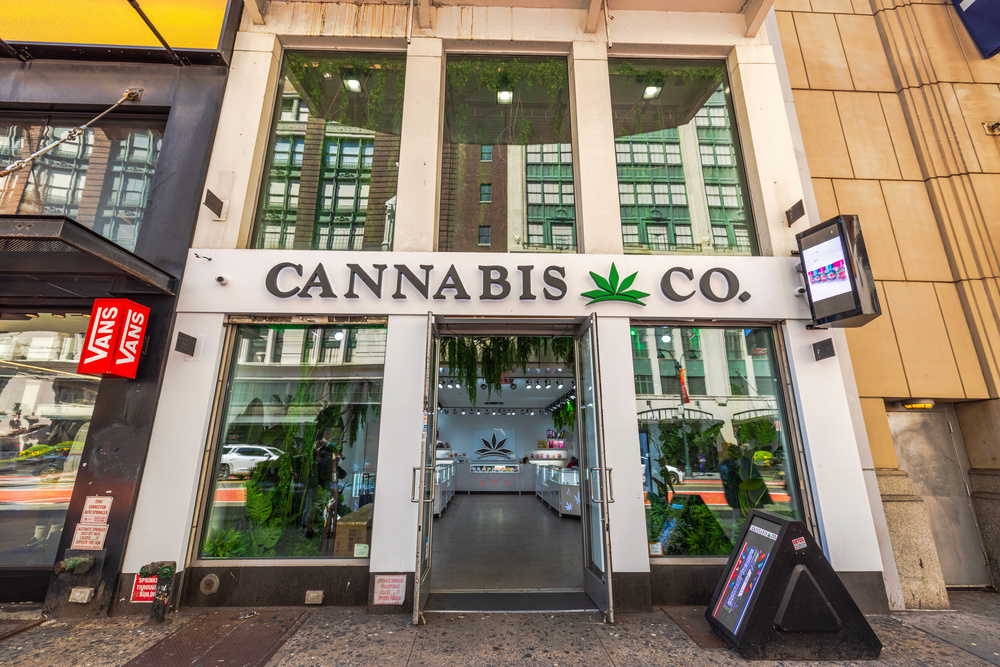
Cannabis brand fonts play a direct role in how quickly people recognize and trust your products, especially in a market that grows more competitive every year. Brands are fighting for attention on dispensary shelves, online stores, and social feeds, and typography is one of the fastest ways to communicate who you are.
The right fonts help customers understand your personality at a glance, shape how “premium” or approachable your products feel, and build the kind of familiarity that brings people back.
In this guide, we’ll walk through how typography shapes brand identity, what different font families signal to consumers, how to choose pairings that support your identity, and how to stay compliant and accessible in a regulated industry.
Why Typography Matters for Cannabis Brands
Typography is one of the first cues consumers use to read your brand. At a glance, fonts show whether you’re premium or fun, medical or lifestyle-focused, minimalist or artisanal. Clear typography improves perceived quality, enhances readability, and supports the trustworthiness of your packaging.
In the cannabis industry, where label rules vary by state, typography also performs a crucial legal role. Required details (like dosage, warnings, ingredients, potency, and regulatory symbols) must remain readable even at small sizes. For example, some regions mandate a minimum label font size (often no smaller than 6-point) to ensure compliance.
That means the best fonts for cannabis branding need to balance style, clarity, and regulatory compliance at the same time.
Typography is Your Brand Voice: What Fonts Communicate
Typography in cannabis branding works the same way your verbal tone does. Each font category sends emotional signals that shape how people interpret your products before they read a single line. Here’s a clear breakdown of what each style communicates and when it works best.
Serif Fonts
Vibe: heritage, artisanal, premium, trustworthy
Best for: craft flower brands, CBD wellness lines, medical-leaning products
Serif fonts add a sense of history and care. Their small strokes and details create a feeling of quality, which helps customers associate your brand with consistency and reliability.
Sans-Serif Fonts
Vibe: modern, clean, transparent, tech-forward
Best for: recreational brands, contemporary edibles, vaporizer, and device companies
Sans-serifs feel open and straightforward. They’re a strong fit for brands that want to appear honest, friendly, or youth-oriented. These fonts often scale well in digital environments, which is helpful for e-commerce and mobile menus.
Display and Script Fonts
Vibe: expressive, handcrafted, bold
Best for: logos, headers, small-batch microbrands, legacy or counterculture lines
Display and script fonts create a strong personality fast, but they lose clarity if used for long text or compliance details. Keep them in headline roles where you need energy or a crafted feel without risking readability.
Geometric, Monospaced, or Technical Fonts
Vibe: clinical, scientific, precise
Best for: medical cannabis brands, lab-driven companies, product lines emphasizing purity and testing
These font styles signal structure and accuracy. They’re often associated with science, which helps reinforce credibility for brands focused on lab testing, extraction, or pharmaceutical-style product lines.

Readability and Legibility: The Non-Negotiables
Before you focus on creative flair, clarity must come first.
Why Legibility Matters:
- Regulatory text on cannabis packages must meet minimum size standards. For example, in many jurisdictions required label text must use a “typed, legible font… at least 1/16th of an inch in height” (measured on an uppercase letter) to be compliant.
- Consumers depend on easily readable dosage, warning, and ingredient information to use products safely. If fonts are too small or decorative, it can create confusion or even legal risk.
- On a crowded dispensary shelf, clear, legible labels help products stand out and be recognized quickly.
Best Practices For Legibility:
- Use simple sans-serif fonts (like Inter, Roboto, or Helvetica-style faces) for body text or regulatory information. These tend to stay readable even at small sizes.
- Keep strong contrast between text and background, avoiding light gray text on colorful or patterned backgrounds. A high contrast assures readability under various lighting.
- Maintain generous spacing: appropriate line height (for example, 120–150% of the font size) and enough padding around text blocks improve readability and reduce visual clutter.
- Test every font at actual packaging size. A typeface might look clear on a large screen or billboard, but become unreadable on a small container, vape pen, or edible pouch. Many label-source guides recommend real-world testing for size, contrast, and durability.
If your font looks crisp on a poster but scrunched on a 1-inch label (especially under low or bright dispensary lighting) it’s not the right choice.
Font Categories and When to Use Them (With Cannabis Examples)
Choosing the right font category helps your cannabis brand stay clear, memorable, and emotionally consistent. Here’s how each type functions and when it’s most effective.
Serif Workhorses
Use serif fonts when you want to communicate premium, earthy, timeless, or medicinal qualities. They’re a strong fit for craft-grown flower lines and therapeutic cannabidiol (CBD) products. A tall, elegant serif on a tincture label signals trust, care, and a grounded brand personality.
Clean Sans-Serifs
Modern cannabis brands (especially those in edibles, beverages, wellness, or tech-driven products) often lean on clean sans-serifs. These fonts stay readable at small sizes, scale well across formats, and support a friendly, transparent tone.
Display and Script Fonts
Display and script styles work well for brand names, logos, or standout elements on packaging. They’re popular among microbrands and legacy-inspired lines that want a bold, expressive, or retro energy. The key is balance: they belong in headlines, not in dosage or compliance text.
Handwritten and Retro Fonts
These fonts can support brands that tap into nostalgia, 70s-style visuals, or classic “stoner culture” cues. They add warmth and personality, but should stay limited to accents. Heavy use can make a brand feel unclear or inconsistent.
Custom and Variable Fonts
Some cannabis companies invest in custom typefaces to build a distinct visual identity. Variable fonts are especially useful because their flexible weight and width settings allow consistent readability across packaging sizes, websites, and digital menus without losing clarity.
Practical Font Pairings for Cannabis Brands
Smart font pairing helps your packaging stay expressive while still meeting compliance and readability needs. Here are reliable combinations that work well across cannabis categories.
1. Modern Premium
Headline: DM Serif Display
Body: Inter
Why it works: This blend offers an elevated serif voice with clean, modern readability. It’s ideal for premium flower, tinctures, and wellness-forward lines that want to feel refined without looking old-fashioned.
2. Clean Recreational
Headline: Montserrat
Body: Roboto
Why it works: Both fonts are approachable, youthful, and strong on digital screens. This duo is great for recreational brands, edibles, infused drinks, or lifestyle-driven products.
3. Medical / Clinical
Headline: Helvetica Neue or a similar geometric sans
Body: Open Sans
Why it works: These fonts remain highly legible at small sizes and project trust, safety, and professionalism; crucial traits for medical cannabis brands and lab-forward companies.
4. Boutique / Craft
Headline: Playfair Display
Body: Lora or Georgia
Why it works: These pairings evoke artisanal quality and organic roots. They fit well with small-batch flower lines, farm-grown brands, and premium CBD products.
5. Legacy / Counterculture
Headline: Custom display font
Body: A simple sans-serif
Why it works: You get a bold personality up top while keeping compliance text clean and easy to read. This combo protects legibility without losing the rebellious energy of legacy or counterculture brands.

Web and Digital Considerations
A font that works well on packaging won’t always behave the same way on your website or mobile shop. Digital environments add new requirements that influence clarity, load time, and accessibility. Here’s what to prioritize when choosing cannabis brand fonts for online use.
- Use variable fonts to improve performance. They reduce file requests and help pages load faster, especially on mobile.
- Choose web fonts with broad browser support. This prevents layout shifts or fallback fonts that can weaken your brand identity.
- Build a scalable type system. Make sure headlines, body text, and dosage numbers stay readable on small screens.
- Check numeric clarity. Dosage values and product strengths must be unmistakable at any size.
- Follow WCAG contrast standards. High contrast improves accessibility and supports customers who rely on screen readers or low-vision settings.
Your digital typography should stay consistent with your packaging type choices. This creates a unified identity across e-commerce, social platforms, and physical products.
Licensing, Trademarks, and Legal Checklist
Typography choices aren’t purely creative decisions; they also carry legal and operational weight. Using the wrong font can delay packaging approvals or create trademark issues later. Here’s what to verify before finalizing any cannabis brand fonts.
- Confirm commercial licensing for every use case, including packaging, web, digital ads, print materials, and merchandise.
- Avoid fonts labeled “free for personal use.” These are not permitted for commercial branding and can lead to legal disputes.
- Store all license files and receipts in your brand asset folder so your team can access them during audits or redesigns.
- Check whether your logo font allows derivative works. Some licenses restrict modification, which can impact logo design or custom wordmarks.
- For custom typefaces, document ownership and rights in writing. This ensures you control the font long-term and can use it across future product lines.
Packaging and Regulatory Constraints
In regulated markets, your typography choices must meet more than style goals. Label design must satisfy state rules, and that includes how text, symbols, and warnings appear. No matter how creative your cannabis brand fonts are, packaging must stay compliant.
What the Rules Typically Require
- In many places, required warnings must be printed in at least 6-point font (or equivalent legibility) and be clearly visible.
- Required symbols (such as the universal cannabis/THC symbol or child-safety icons) must be present, clearly visible, and of a minimum size.
- Text and symbols must stand out with good contrast and unobscured placement to ensure readability and regulatory compliance.
- Many states forbid overly decorative or misleading typography on regulated labels (especially for medical or edible products). Labels must not use designs that could appeal to minors or obscure mandatory information.
How to Stay Compliant
- Build a clear typographic hierarchy: e.g., brand name → strain or product name → dosage/THC content → required warnings and symbols. This order helps make sure compliance info is legible and prioritized.
- Use a “compliance typeface,” such as a plain, highly legible font (serif or sans-serif) for warnings, dosage, and regulatory data. That keeps the required information separate from decorative branding elements.
- Always mock up packaging at true size before printing. A font that looks fine on screen might be too small, blurry, or illegible on a real package.
- Avoid blending decorative/expressive fonts with critical info. Decorative fonts can harm legibility and may run afoul of state regulations if warnings or symbols are obscured.

Final Word
Typography isn’t just decoration; it’s your brand’s personality, voice, and first impression.
The right cannabis brand fonts can elevate your identity, build trust, enhance compliance, and help your products stand out in an increasingly saturated market. By pairing expressive, on-brand type choices with legible, compliance-focused typography, you’ll build a design system that looks great, performs even better, and helps your customers feel confident choosing your products.
Need help getting it right?
At Custom 420 Supply, our in-house design team specializes in creating compliant, premium cannabis labels that meet state regulations and elevate your brand. Whether you need a full typography system, a refreshed wordmark, or packaging-ready label files, we ensure every detail is both beautifully crafted and fully compliant. Contact us today!
Frequently Asked Questions
How do you choose typography that reflects a cannabis brand’s personality?
Choose typography based on the tone and emotion you want your brand to communicate. Modern sans-serifs work well for clean, wellness-focused brands, while bold serifs or display fonts can signal heritage, luxury, or creativity. Look for fonts that match your brand values, speak to your target audience, and stay readable across packaging, digital, and print.
Which font styles help a cannabis product stand out on-shelf?
High-contrast serif fonts, modern geometric sans-serifs, and custom display fonts can help cannabis products stand out. Pair an expressive headline font with a clean, readable body font. Strong hierarchy, consistent spacing, and clear labeling also make your packaging more eye-catching and easier for shoppers to navigate.
What are the legal and readability considerations when selecting fonts for cannabis packaging?
Cannabis packaging must meet state-specific rules for minimum font sizes, contrast, warnings, and legibility. Avoid overly decorative or hard-to-read fonts for required information. Use a clear compliance typeface for warnings and drug facts, ensure symbols and labels meet size requirements, and verify that all fonts have proper commercial licensing for packaging use.