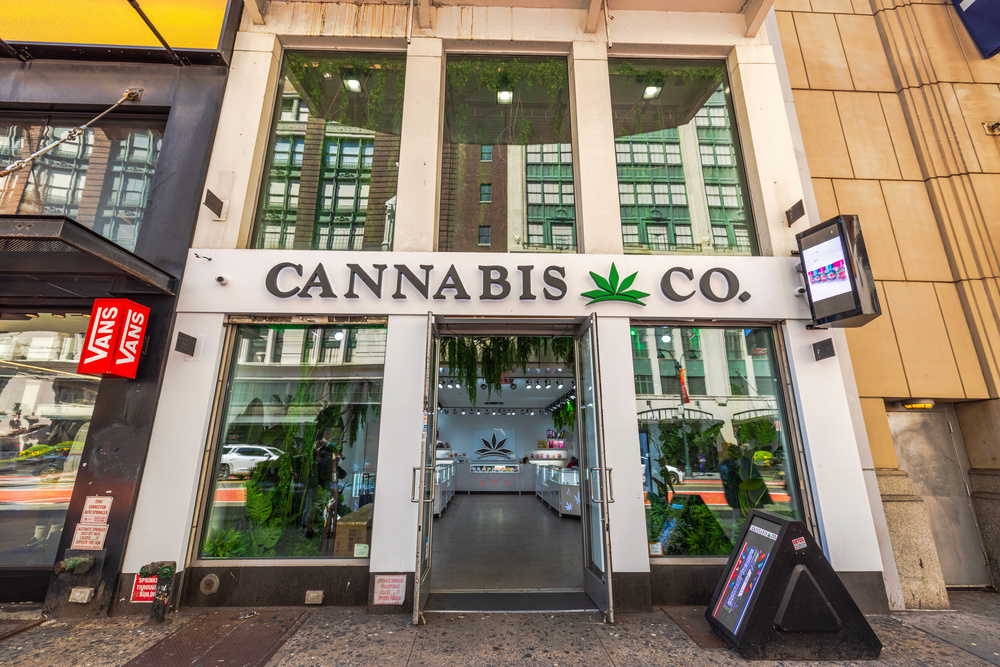
Cannabis brand fonts play a direct role in how quickly people recognize and trust your products, especially in a market that grows more competitive every year. Brands are fighting for attention on dispensary shelves, online stores, and social feeds, and typography is one of the fastest ways to communicate who you are.
The right fonts help customers understand your personality at a glance, shape how “premium” or approachable your products feel, and build the kind of familiarity that brings people back.
In this guide, we’ll walk through how typography shapes brand identity, what different font families signal to consumers, how to choose pairings that support your identity, and how to stay compliant and accessible in a regulated industry.
Why Typography Matters for Cannabis Brands
Typography is one of the first cues consumers use to read your brand. At a glance, fonts show whether you’re premium or fun, medical or lifestyle-focused, minimalist or artisanal. Clear typography improves perceived quality, enhances readability, and supports the trustworthiness of your packaging.
In the cannabis industry, where label rules vary by state, typography also performs a crucial legal role. Required details (like dosage, warnings, ingredients, potency, and regulatory symbols) must remain readable even at small sizes. For example, some regions mandate a minimum label font size (often no smaller than 6-point) to ensure compliance.
That means the best fonts for cannabis branding need to balance style, clarity, and regulatory compliance at the same time.
Typography is Your Brand Voice: What Fonts Communicate
Typography in cannabis branding works the same way your verbal tone does. Each font category sends emotional signals that shape how people interpret your products before they read a single line. Here’s a clear breakdown of what each style communicates and when it works best.
Serif Fonts
Vibe: heritage, artisanal, premium, trustworthy
Best for: craft flower brands, CBD wellness lines, medical-leaning products
Serif fonts add a sense of history and care. Their small strokes and details create a feeling of quality, which helps customers associate your brand with consistency and reliability.
Sans-Serif Fonts
Vibe: modern, clean, transparent, tech-forward
Best for: recreational brands, contemporary edibles, vaporizer, and device companies
Sans-serifs feel open and straightforward. They’re a strong fit for brands that want to appear honest, friendly, or youth-oriented. These fonts often scale well in digital environments, which is helpful for e-commerce and mobile menus.
Display and Script Fonts
Vibe: expressive, handcrafted, bold
Best for: logos, headers, small-batch microbrands, legacy or counterculture lines
Display and script fonts create a strong personality fast, but they lose clarity if used for long text or compliance details. Keep them in headline roles where you need energy or a crafted feel without risking readability.
Geometric, Monospaced, or Technical Fonts
Vibe: clinical, scientific, precise
Best for: medical cannabis brands, lab-driven companies, product lines emphasizing purity and testing
These font styles signal structure and accuracy. They’re often associated with science, which helps reinforce credibility for brands focused on lab testing, extraction, or pharmaceutical-style product lines.
Readability and Legibility: The Non-Negotiables
Before you focus on creative flair, clarity must come first.
Why Legibility Matters:
Regulatory text on cannabis packages must meet minimum size standards. For example, in many jurisdictions required label text must use a “typed, legible font… at least 1/16th of an inch in height” (measured on an uppercase letter) to be compliant.
Consumers depend on easily readable dosage, warning, and ingredient information to use products safely. If fonts are too small or decorative, it can create confusion or even legal risk.
On a crowded dispensary shelf, clear, legible labels help products stand out and be recognized quickly.
Best Practices For Legibility:
Use simple sans-serif fonts (like Inter, Roboto, or Helvetica-style faces) for body text or regulatory information. These tend to stay readable even at small sizes.
Keep strong contrast between text and background, avoiding light gray text on colorful or patterned backgrounds. A high contrast assures readability under various lighting.
Maintain generous spacing: appropriate line height (for example, 120–150% of the font size) and enough padding around text blocks improve readability and reduce visual clutter.
Test every font at actual packaging size. A typeface might look clear on a large screen or billboard, but become unreadable on a small container, vape pen, or edible pouch. Many label-source guides recommend real-world testing for size, contrast, and durability.
If your font looks crisp on a poster but scrunched on a 1-inch label (especially under low or bright dispensary lighting) it’s not the right choice.
Font Categories and When to Use Them (With Cannabis Examples)
Choosing the right font category helps your cannabis brand stay clear, memorable, and emotionally consistent. Here’s how each type functions and when it’s most effective.
Serif Workhorses
Use serif fonts when you want to communicate premium, earthy, timeless, or medicinal qualities. They’re a strong fit for craft-grown flower lines and therapeutic cannabidiol (CBD) products. A tall, elegant serif on a tincture label signals trust, care, and a grounded brand personality.
Clean Sans-Serifs
Modern cannabis brands (especially those in edibles, beverages, wellness, or tech-driven products) often lean on clean sans-serifs. These fonts stay readable at small sizes, scale well across formats, and support a friendly, transparent tone.
Display and Script Fonts
Display and script styles work well for brand names, logos, or standout elements on packaging. They’re popular among microbrands and legacy-inspired lines that want a bold, expressive, or retro energy. The key is balance: they belong in headlines, not in dosage or compliance text.
Handwritten and Retro Fonts
These fonts can support brands that tap into nostalgia, 70s-style visuals, or classic “stoner culture” cues. They add warmth and personality, but should stay limited to accents. Heavy use can make a brand feel unclear or inconsistent.
Custom and Variable Fonts
Some cannabis companies invest in custom typefaces to build a distinct visual identity. Variable fonts are especially useful because their flexible weight and width settings allow consistent readability across packaging sizes, websites, and digital menus without losing clarity.
Practical Font Pairings for Cannabis Brands
Smart font pairing helps your packaging stay expressive while still meeting compliance and readability needs. Here are reliable combinations that work well across cannabis categories.
1. Modern Premium
Headline: DM Serif Display
Body: Inter
Why it works: This blend offers an elevated serif voice with clean, modern readability. It’s ideal for premium flower, tinctures, and wellness-forward lines that want to feel refined without looking old-fashioned.
2. Clean Recreational
Headline: Montserrat
Body: Roboto
Why it works: Both fonts are approachable, youthful, and strong on digital screens. This duo is great for recreational brands, edibles, infused drinks, or lifestyle-driven products.
3. Medical / Clinical
Headline: Helvetica Neue or a similar geometric sans
Body: Open Sans
Why it works: These fonts remain highly legible at small sizes and project trust, safety, and professionalism; crucial traits for medical cannabis brands and lab-forward companies.
4. Boutique / Craft
Headline: Playfair Display
Body: Lora or Georgia
Why it works: These pairings evoke artisanal quality and organic roots. They fit well with small-batch flower lines, farm-grown brands, and premium CBD products.
5. Legacy / Counterculture
Headline: Custom display font
Body: A simple sans-serif
Why it works: You get a bold personality up top while keeping compliance text clean and easy to read. This combo protects legibility without losing the rebellious energy of legacy or counterculture brands.
Web and Digital Considerations
A font that works well on packaging won’t always behave the same way on your website or mobile shop. Digital environments add new requirements that influence clarity, load time, and accessibility. Here’s what to prioritize when choosing cannabis brand fonts for online use.
Use variable fonts to improve performance. They reduce file requests and help pages load faster, especially on mobile.
Choose web fonts with broad browser support. This prevents layout shifts or fallback fonts that can weaken your brand identity.
Build a scalable type system. Make sure headlines, body text, and dosage numbers stay readable on small screens.
Check numeric clarity. Dosage values and product strengths must be unmistakable at any size.
Follow WCAG contrast standards. High contrast improves accessibility and supports customers who rely on screen readers or low-vision settings.
Your digital typography should stay consistent with your packaging type choices. This creates a unified identity across e-commerce, social platforms, and physical products.
Licensing, Trademarks, and Legal Checklist
Typography choices aren’t purely creative decisions; they also carry legal and operational weight. Using the wrong font can delay packaging approvals or create trademark issues later. Here’s what to verify before finalizing any cannabis brand fonts.
Confirm commercial licensing for every use case, including packaging, web, digital ads, print materials, and merchandise.
Avoid fonts labeled “free for personal use.” These are not permitted for commercial branding and can lead to legal disputes.
Store all license files and receipts in your brand asset folder so your team can access them during audits or redesigns.
Check whether your logo font allows derivative works. Some licenses restrict modification, which can impact logo design or custom wordmarks.
For custom typefaces, document ownership and rights in writing. This ensures you control the font long-term and can use it across future product lines.
Packaging and Regulatory Constraints
In regulated markets, your typography choices must meet more than style goals. Label design must satisfy state rules, and that includes how text, symbols, and warnings appear. No matter how creative your cannabis brand fonts are, packaging must stay compliant.
What the Rules Typically Require
In many places, required warnings must be printed in at least 6-point font (or equivalent legibility) and be clearly visible.
Required symbols (such as the universal cannabis/THC symbol or child-safety icons) must be present, clearly visible, and of a minimum size.
Text and symbols must stand out with good contrast and unobscured placement to ensure readability and regulatory compliance.
Many states forbid overly decorative or misleading typography on regulated labels (especially for medical or edible products). Labels must not use designs that could appeal to minors or obscure mandatory information.
How to Stay Compliant
Build a clear typographic hierarchy: e.g., brand name → strain or product name → dosage/THC content → required warnings and symbols. This order helps make sure compliance info is legible and prioritized.
Use a “compliance typeface,” such as a plain, highly legible font (serif or sans-serif) for warnings, dosage, and regulatory data. That keeps the required information separate from decorative branding elements.
Always mock up packaging at true size before printing. A font that looks fine on screen might be too small, blurry, or illegible on a real package.
Avoid blending decorative/expressive fonts with critical info. Decorative fonts can harm legibility and may run afoul of state regulations if warnings or symbols are obscured.
Final Word
Typography isn’t just decoration; it’s your brand’s personality, voice, and first impression.
The right cannabis brand fonts can elevate your identity, build trust, enhance compliance, and help your products stand out in an increasingly saturated market. By pairing expressive, on-brand type choices with legible, compliance-focused typography, you’ll build a design system that looks great, performs even better, and helps your customers feel confident choosing your products.
Need help getting it right?
At Custom 420 Supply, our in-house design team specializes in creating compliant, premium cannabis labels that meet state regulations and elevate your brand. Whether you need a full typography system, a refreshed wordmark, or packaging-ready label files, we ensure every detail is both beautifully crafted and fully compliant. Contact us today!
Frequently Asked Questions
How do you choose typography that reflects a cannabis brand’s personality?
Choose typography based on the tone and emotion you want your brand to communicate. Modern sans-serifs work well for clean, wellness-focused brands, while bold serifs or display fonts can signal heritage, luxury, or creativity. Look for fonts that match your brand values, speak to your target audience, and stay readable across packaging, digital, and print.
Which font styles help a cannabis product stand out on-shelf?
High-contrast serif fonts, modern geometric sans-serifs, and custom display fonts can help cannabis products stand out. Pair an expressive headline font with a clean, readable body font. Strong hierarchy, consistent spacing, and clear labeling also make your packaging more eye-catching and easier for shoppers to navigate.
What are the legal and readability considerations when selecting fonts for cannabis packaging?
Cannabis packaging must meet state-specific rules for minimum font sizes, contrast, warnings, and legibility. Avoid overly decorative or hard-to-read fonts for required information. Use a clear compliance typeface for warnings and drug facts, ensure symbols and labels meet size requirements, and verify that all fonts have proper commercial licensing for packaging use.
Cannabis consumer behavior shapes how and why people buy, what they choose, and how they make purchase decisions.
As legalization spreads, product options expand, and social acceptance grows, today’s cannabis consumer base is more varied than ever. The U.S. legal cannabis market alone is projected to grow from about $36.9 billion in 2024 to roughly $91.1 billion by 2033.
This article digs into the data, motivations, demographics, and behavior patterns behind modern cannabis buying decisions. Furthermore, we show how businesses can benefit from these insights.
Market Snapshot and Headline Trends
The U.S. legal cannabis market has grown into a multi-billion-dollar industry, and cannabis consumer behavior trends are evolving quickly. Adoption is rising across adult-use states, with users reporting higher consumption frequency, including daily or near-daily use.
Consumer preferences are diversifying, with notable trends:
Edibles and vapes are gaining popularity, with about 42% of users consuming edibles and 30% vaping.
Cannabis beverages remain a smaller but growing segment, showing interest in alternatives beyond traditional flower.
Regional differences matter: mature markets like Colorado and California show stable patterns, while newer East Coast markets see faster shifts in product preference and price sensitivity.
Premiumization and wellnessappeal to adults 25–44, who often choose higher-quality, lifestyle-oriented products like tinctures, low-potency blends, and convenient formats.
These trends reflect broader normalization, increased access, and changing expectations. As users diversify in how often and how they consume, brands that track and respond to these behaviors can make more informed decisions and design offerings that resonate with their target audience.
Who the Consumers Are (Demographics and Segments)
Understanding cannabis consumer behavior starts with knowing who the consumers are.
Age
Age plays a major role in preferences and purchasing habits:
Gen Z and Millennials lead adoption, favoring vapes, pre-rolls, and edibles.
Gen X increasingly purchases for wellness purposes, such as sleep, stress relief, and pain management.
Boomers are adopting low-dose edibles, tinctures, and CBD-focused products, often prioritizing health benefits over recreation.
Gender
Gender also influences consumption patterns:
Men continue to dominate high-potency products, including concentrates and potent flower strains.
Women are a rapidly growing segment, particularly drawn to edibles, beverages, and wellness-oriented formats.
Consumer Archetypes
Consumer behavior can also be understood through archetypes, which highlight motivations and usage patterns:
The Wellness Seeker prioritizes sleep, stress relief, and natural remedies.
The Social/Occasional User enjoys cannabis for recreation, events, or relaxation.
The Daily User values potency, consistency, and price.
The Medical Patient focuses on symptom relief and relies on lab-tested, reliable products.
Why People Consume Cannabis
Consumer motivations fall into two broad buckets, each shaping purchase behavior:
Medical Motivations
Many people turn to cannabis for health and wellness needs. Common motivations include:
Pain relief
Reducing inflammation
Easing stress or anxiety
Supporting sleep
Stimulating appetite
For example, a 2025 survey found that over 1 in 5 young adults report using cannabis to help them fall asleep. Furthermore, for many, cannabis is now preferred over conventional sleep aids.
A 2025 study focused on middle-aged and older adults suggests that, when compared to opioids or over-the-counter painkillers, many prefer cannabis for chronic pain due to perceived lower risk of dependence and side effects.
At the same time, consistent medical‑driven users often show stronger loyalty to specific brands or retailers. They prioritize reliability, lab-tested products, and predictable effects. This loyalty reflects the need for stability when using cannabis for ongoing symptom management.
Recreational Motivations
For other consumers, cannabis use centers around enjoyment, social connection, or lifestyle choices. Common reasons include:
Relaxation
Enhancing creativity
Social experiences
Unwinding after work or on weekends
A recent cross‑sectional study of working adults reported the most common motives as relaxation (59.3%), enjoyment (47.2%), social use (35.3%), coping (35.1%), medical reasons (30.9%), and sleep (29.9%).
An emerging trend among younger users is using cannabis as an alternative to alcohol, either to unwind without hangovers or to moderate alcohol consumption altogether. Historical data from medical cannabis patients shows many have used cannabis as a substitute for alcohol or prescription drugs because they view it as having fewer negative effects or lower addiction potential.
Product Preferences and Consumption Methods
Cannabis consumer behavior insights reflect a growing variety of product options, with preferences shaped by age, gender, and usage goals. Consumers now choose from multiple formats depending on context.
Flower remains the largest category, particularly among daily users.
Pre-rolls grow in popularity for convenience and variety, including infused or multipack options.
Vapes are favored for discreet, fast-acting effects, especially among younger adults.
Edibles appeal to women and older adults who prefer consistent dosing.
Beverages are rapidly growing, often marketed as an alternative to alcohol.
Topicals and tinctures attract wellness-driven users and older consumers seeking symptom relief.
Factors such as onset time, dosage consistency, potency, flavor, terpene profiles, and perceived safety influence purchase decisions. Refer to the following chart for a deeper analysis:
Cannabis Product Preferences by Age and Use Method
Product / Consumption Method
More Common Among Younger Adults (18-34)
More Common Among Middle-aged Adults (35-54)
More Common Among Older Adults (55+)
Flower / Pre-rolls
High use
High use, but some shift toward edibles/topicals
Strong preference for classic flower over novel formats
Vaping / Concentrates
Most popular non-smoking option among younger adults
Used, but less dominant than among younger users
Less common than smoking or edibles for older users
Edibles
Used, but often as part of a mixed-use pattern (flower + other methods)
Frequently chosen (many in this age group prefer edibles over flower or vapes)
Among the most preferred formats
Topicals / Tinctures
Used by some, but lower overall share compared to flower/vapes/edibles
Rising among those prioritizing wellness or medical use
Often preferred by wellness-minded older adults (especially for pain relief and less-intense effects)
High likelihood of mixing methods (social use, variety-seeking)
Some mixed-method use; more balanced between convenience and consistency
Lower likelihood of frequent switching
Purchase Journey and Channels
Licensed dispensaries remain the most common point of purchase, with nearly 9 in 10 cannabis users reporting transactions there. Delivery services continue to expand in legal markets, while online ordering with in-store pickup has become a standard convenience feature. Many dispensaries now allow shoppers to reserve products online and collect in person, meeting growing expectations for speed and ease.
Despite legalization, the illicit market persists in certain regions due to lower prices, strong loyalty, and reliable product consistency. Even in regulated states, these factors influence some consumers to purchase outside the legal system.
Budtender recommendations remain one of the strongest drivers of what consumers buy. In addition, in-store education, clear signage, and sampling programs (where legal) improve confidence and conversion rates. Consumers often research products online first (checking menus, strain information, and reviews) before visiting a dispensary to make a purchase.
Digital tools also now play a critical role in cannabis consumer behavior. Product guides, FAQs, and detailed terpene or strain information heavily influence purchase choices. Loyalty programs and dispensary apps help retain customers by making reordering easy and rewarding repeat purchases.
Price Sensitivity, Quality Cues, and Brand Loyalty
Price vs. Quality Mindsets
Consumers show a range of pricing attitudes when buying cannabis, from value‑focused shoppers to those seeking premium quality.
Some prioritize cost per gram or milligram. Others willingly pay more for higher potency, flavor, or lab‑tested products. A third group balances between value and quality, switching between budget and premium depending on the product type.
Research shows that while price matters, demand tends to be relatively inelastic overall, especially among users who value quality and consistency.
What Consumers See as “Quality” Signals?
Buyers often look beyond price. They use several indicators to judge product quality, including:
Transparent lab testing and test result disclosures.
Consistency in strain, potency, and effects across purchases.
Clear, accurate packaging and labeling with terpene and cannabinoid information.
Positive brand reputation, social proof (e.g., word‑of‑mouth, trusted retail), and reliable retailer practices.
For many consumers (especially those purchasing for wellness or medical purposes), these “quality cues” matter more than the lowest possible price.
What Drives Brand Loyalty and Repeated Purchases?
Cannabis consumer behavior shows that loyalty is driven by a mix of product reliability, service, and rewards. Key factors include:
Consistent effects and product availability – Consumers return to brands and retailers that reliably deliver expected results and maintain steady inventory.
Knowledgeable budtenders – Trustworthy staff who provide guidance, answer questions, and make personalized recommendations strongly influence repeat purchases.
Positive in-store experiences – A welcoming, informative, and convenient shopping environment enhances satisfaction and encourages loyalty.
Loyalty programs and rewards – Points systems, discounts, and other perks incentivize repeat buying.
Transparency and communication – Clear labeling, product information, and honest marketing build trust and reinforce consumer confidence.
Some shoppers switch between premium and value-tier products depending on the category or context. However, when a brand establishes quality and trust, many consumers are willing to pay more for products they know work.
Frequency and Patterns of Use
The cannabis consumer decision-making process varies widely, with usage frequency influencing product choice and shopping habits.
Usage Groups
Occasional users (1–2 times/month) – Often prefer edibles or low-dose formats that offer convenience and predictable effects.
Regular users (weekly) – More likely to experiment with different product types and explore new brands or formats.
Daily or near-daily users – Tend to favor flower, vapes, and larger basket sizes, prioritizing potency, consistency, and reliability.
Patterns of Consumption
Time of day – Evenings are the most common period for consumption across all user groups.
Situational triggers – People often use cannabis to relax and unwind, manage pain, enhance creativity, or enjoy social gatherings.
Safety, Perceptions, and Barriers to Purchase
Even as social acceptance of cannabis grows, certain concerns and barriers continue to influence consumer behavior.
Common Safety Concerns
Potency and accidental overconsumption – Particularly relevant with edibles, where effects are delayed, and dosing can be unclear.
Health effects of vaping – Some consumers remain cautious due to past reports of lung injury or concerns about long-term effects.
Impaired driving risks – Many users are mindful of how cannabis affects their ability to operate vehicles or machinery.
Lack of dosing education – Confusion over how much to use, especially for new consumers or older adults, can limit adoption.
Regulatory Impacts
Packaging, advertising, and marketing rules vary significantly by state. These restrictions often limit how brands can communicate product benefits and educate consumers. Clear educational content (in-store, online, or via digital tools) can help bridge this gap and improve consumer confidence.
Social Stigma
While stigma is declining overall, some groups (particularly older adults or certain professional communities) still view cannabis use cautiously. This can influence both purchasing behavior and willingness to disclose use openly.
Transition From Illicit to Legal Market
Despite widespread legalization, a notable portion of cannabis consumers continue to purchase through unregulated channels. Understanding why consumers remain in the illicit market (and what encourages migration to legal options) is critical for businesses.
Why Consumers Stay Illicit
Lower prices – Unregulated products often undercut legal market pricing.
Familiarity and trust – Longstanding relationships with illicit sellers can maintain loyalty.
Limited legal access – Lack of nearby dispensaries or convenient retail options.
Broader product availability – Certain products may be easier to find outside legal channels.
What Encourages Migration to Legal Channels
Competitive pricing – Legal retailers offering value close to illicit sources can attract price-sensitive consumers.
Product testing and safety assurances – Lab-tested, regulated products build trust among cautious users.
Knowledgeable budtenders – Expert staff provide guidance, improving the shopping experience.
Expanded retail locations – Greater accessibility reduces the convenience advantage of illicit sellers.
Final Word
Understanding cannabis consumer behavior is more important than ever for brands looking to succeed in a crowded, evolving market. From preferences in product types and usage patterns to price sensitivity, safety concerns, and the transition from illicit to legal channels, today’s consumers are informed, discerning, and seeking consistent experiences.
For cannabis businesses, packaging and presentation are a critical part of that experience. At Custom 420 Supply, we help brands stand out with customizable packaging and labeling solutions, supported by in-house design expertise.
Whether you’re launching a new product line or refreshing an existing one, our tools ensure your products communicate quality, trust, and brand identity. Want to learn more? We invite you to reach out through our contact page today!
Frequently Asked Questions
What factors influence cannabis consumer behavior in legal markets?
Product type, potency, and format (flower, vapes, edibles) influence choices, along with price, quality, lab testing transparency, and brand reputation. Purchase channels, budtender guidance, loyalty programs, and regulatory restrictions also shape buying behavior.
How has cannabis consumer behavior changed in recent years?
Consumers now explore a wider range of products, prioritize wellness and dosing consistency, and use digital tools for research and online ordering. Younger adults increasingly use cannabis as an alcohol alternative, while older adults adopt low-dose edibles and tinctures.
What are the key differences in behavior between new vs experienced cannabis consumers?
New users prefer low-dose, easy-to-use products and rely on guidance and education. Experienced users diversify across formats, prioritize potency and consistency, and often show brand loyalty while exploring new products confidently.
As cannabis marketing trends evolve rapidly, the industry is entering this year more mature, more regulated, and more competitive than ever. Brands that rely solely on product quality may struggle. The ones that thrive will be those that lean into creativity, build genuine connections, and deeply understand their audiences.
With paid ad channels still constrained by regulation, consumer expectations rising, and new opportunities emerging, differentiation is no longer optional; it’s essential.
Navigating Regulatory Hurdles While Standing Out
Emerging cannabis marketing strategies are increasingly shaped by the tight web of regulations that brands must navigate. Because many digital ad platforms continue to restrict or ban cannabis-related content, marketers are doubling down on compliance-first strategies.
Top cannabis brands are leaning more into owned media (their own websites, blogs, and email newsletters) where they can control both messaging and risk. This move gives them a reliable, compliant way to educate audiences and build trust without having to rely on volatile paid ad channels.
Another major trend is the rise of programmatic advertising and Connected TV (CTV). These channels allow cannabis brands to reach adult, verified audiences inside licensed markets. CTV, in particular, offers a regulatory workaround: because it’s not bound by the same broadcast restrictions, advertisers can run highly targeted, compliant video campaigns.
At the same time, brands must pay extra attention to compliance. That means strict age-gating, geo-targeting, and transparent labeling. All while tailoring copy and media to each jurisdiction’s rules.
Omnichannel Presence: Seamless Brand Experience
One of the most powerful cannabis brand trends is creating a truly omnichannel brand experience. Leading cannabis companies ensure their messaging stays consistent: from brick‑and‑mortar dispensary storefronts to websites, mobile apps, email, SMS, and even live events.
Since traditional paid advertising channels remain restrictive, savvy brands are leaning into local SEO, email newsletters, and SMS campaigns to reach customers where they already are.
What’s driving the next wave of engagement is deep loyalty integration: more dispensaries are connecting their loyalty programs directly with their POS (Point of Sale) systems. This integration allows customers to earn and redeem points seamlessly, whether they’re shopping in-store or online.
Beyond just tracking purchases, these systems also unlock richer customer data. Brands can send highly personalized messages (like targeted email or SMS offers based on past buying habits) and run automated loyalty flows triggered by customer behavior.
Many dispensaries are also using mobile apps to amplify this omnichannel effect. Apps let users check their reward balances, place orders, and receive push notifications about new drops or exclusive deals.
Educational and Value-Driven Content Marketing
One of the most powerful cannabis digital marketing trends today is education. Many consumers are still learning the basics (e.g, what’s the difference between THC and CBD, how to dose safely, and how different delivery methods affect experience). Brands that provide clear, authoritative content build trust.
Leading cannabis brands will double down on long-form guides, video tutorials, myth‑busting content, and interactive tools. Video is especially effective as it can show how tinctures, edibles, or topicals work; explain dosing; and clarify how various strains might feel.
But education is only part of the story. The most compelling content also weaves wellness storytelling into the narrative. Brands are placing cannabis in the context of routines:
Managing anxiety
Improving sleep
Supporting recovery
Enhancing self-care
At the same time, transparency and trust go hand-in-hand. Effective educational content often shares lab results, third-party testing data, and clear usage guidance.
Additionally (on a macro level), regulators and public health advocates are partnering with cannabis companies to launch formal education campaigns. For instance, New York State launched a “Higher Education” program to provide evidence-based cannabis safety resources in dispensaries and public spaces.
Influencer and Creator Collaborations That Build Authenticity
One of the strongest cannabis marketing trends is shifting influencer strategy from transactional mass campaigns to authentic, creator-driven partnerships. Rather than chasing reach, the most successful brands are working with micro‑influencers who have smaller but deeply engaged audiences.
These collaborations are not about hard selling; they’re about real stories. Think wellness journeys, personal experiences with product education, or “a day in my life” content. By tapping into long-form platforms like YouTube, Substack, or newsletters, creators can build trust naturally and explore nuanced aspects of cannabis use without feeling like they’re pushing a product.
To stay compliant (and maintain transparency), brands are emphasizing clear disclosures in every post. Influencers should clearly mark paid content (e.g., using #ad or #sponsored) and avoid making unverified health or medical claims.
These campaigns favor authenticity over sales. The best collaborations feel more like genuine storytelling than a pitch. And that resonates far more with savvy cannabis audiences.
Technology-Driven Personalization
Data analytics and AI-powered personalization are now centerpieces in cannabis branding trends, transforming how companies connect with customers.
Leading cannabis businesses are using CDPs (Customer Data Platforms) and CRMs that merge data from POS transactions, website behavior, and loyalty programs. These integrated systems allow marketers to build a 360° customer profile, enabling more relevant and timely outreach.
With this data foundation, brands can deliver:
Personalized Product Recommendations – AI suggests strains, edibles, or accessories based on a customer’s past purchases and preferences.
Automated Educational Drip Campaigns – After a first purchase, customers might receive a welcome sequence with dosing guidance, usage tips, or safety reminders.
Automation also helps re-engage users. For example, sending a follow-up message after a first order, or nudging inactive customers about new deals or subscription products.
Experimental and Immersive Marketing That Captures Attention
One of the most compelling cannabis market trends is the shift toward experiential and immersive brand activations. Rather than just pushing products, leading cannabis brands are creating memorable moments: pop-ups, festivals, and educational workshops that let people experience the brand in real life.
Virtual Reality (VR) and Augmented Reality (AR) are especially powerful in this shift. For example, Autumn Brands offers a 360° VR tour of its cannabis farm, giving consumers a behind-the-scenes look at cultivation. Meanwhile, Glorious Cannabis partnered with BrandXR to use AR-enhanced packaging, creating interactive in-store experiences that educate and delight.
These kinds of activations help brands bypass traditional ad restrictions by focusing on sensory, interactive experiences instead. They build emotional connection and brand affinity, not just push sales.
Sustainability, Social Responsibility, and Purpose-Driven Branding
Cannabis marketing is increasingly shaped by consumer values, with sustainability becoming one of the strongest differentiators. More brands are adopting biodegradable or recycled packaging, reducing energy use, and investing in carbon offset programs to demonstrate environmental responsibility rather than simply talking about it.
Transparency is also becoming a major trust-builder. Companies are using QR codes, lab reports, and blockchain-backed tracking to give consumers a clear view of cultivation practices, product quality, and sourcing. This level of visibility reinforces credibility in a marketplace where differentiation is difficult.
Purpose-driven branding is the final piece of the puzzle. Brands that stand out are those investing in social equity, supporting communities affected by prohibition, and prioritizing inclusivity within their teams. Cannabis consumers don’t just want to buy a product; they want to support a brand that reflects their values.
Product Innovations as a Marketing Lever
Product innovation has become a central pillar of the cannabis industry. It’s not just about research and development anymore, but a powerful way to differentiate in a crowded market.
Wellness-oriented brands are driving this shift by launching more low-dose edibles, tinctures, topicals, and functional beverages specifically formulated for sleep, recovery, or mood support.
At the same time, craft cannabis is gaining serious momentum. Boutique, small-batch, terpene-rich strains are attracting connoisseurs who seek quality and uniqueness over mass-produced commodity flower.
On the technology front, next-gen smart devices like AI-powered vaporizers and precision dosing tools are coming into their own. These devices use app integration to control temperature, dosage, and usage patterns, giving consumers refined, consistent experiences.
Visual Branding and Storytelling Trends
Visual branding and storytelling are becoming major marketing trends this year, as aesthetics and narrative increasingly influence buying decisions.
Packaging is no longer just functional; it’s a brand touchpoint that communicates personality, purpose, and value at first glance. Brands are leaning into personalization, using narrative-driven visuals that help consumers understand who the product is for and why it exists.
Designers are applying color psychology, tactile finishes, and storytelling cues directly on labels to signal product effects and brand identity. Calming palettes may be used for wellness SKUs, while brighter tones help energizing strains or beverages stand out. Consumers expect packaging to reflect emotional benefits, not just technical product information.
Beyond the box itself, visual storytelling is expanding into content. Editorial-style campaigns (blending lifestyle, education, and commerce) are becoming more common. Shoppable lookbooks, seasonal brand drops, and lifestyle-driven product photos help bridge inspiration and purchase, giving consumers a richer brand experience before they ever reach the checkout page.
Final Word
This year, the cannabis brands that win will be those that combine innovation, authenticity, and strategy. They’ll lean into personalized experiences, embrace values-driven storytelling, and build cohesive omnichannel journeys, all while staying compliant in a complex regulatory landscape. By focusing on education, sustainability, and immersive brand experiences, standout brands won’t just survive; they’ll lead.
If you’re ready to elevate your brand presence, Custom 420 Supply can help. From premium packaging solutions to professional cannabis package design, we help brands translate their identity into visuals that communicate value, compliance, and trust at first glance. Want to learn more? Reach out through our contact page today!
Frequently Asked Questions
What are the top cannabis marketing trends to watch right now?
The biggest cannabis marketing trends include personalized customer experiences, localized and omnichannel marketing, educational content, sustainability-focused branding, and increasing use of automation and AI.
How is digital marketing changing for cannabis brands in a regulated environment?
Because of ad restrictions, cannabis brands are shifting toward owned channels like email, content marketing, and SEO, while using localized targeting, compliance-friendly messaging, and AI to personalize outreach.
What role do sustainability and ethics play in modern cannabis marketing?
Sustainability and ethics have become major differentiators, with consumers increasingly choosing brands that use eco-friendly packaging, transparent sourcing, and social responsibility in their messaging.
The cannabis industry is booming, and entrepreneurs are taking notice. If you’re wondering how to start a cannabis brand, you’re stepping into a market full of opportunity.
However, it’s not as simple as growing a plant or selling a product. Successful cannabis brands require careful planning,compliance with local or national regulations, strategic branding, and smart business operations.
This guide will walk you through how to start a cannabis brand from scratch. You’ll learn how to:
Even if you’re new to the cannabis industry, by the end, you’ll have a clear roadmap to create and grow your own cannabis brand.
Before you dive in, grab our freeCannabis Brand Launch Checklist, a complete, step-by-step guide designed to help new founders launch their cannabis brand the right way and avoid costly mistakes.
The legal cannabis market has grown rapidly over the last decade. If you’re learning cannabis brand strategy, understanding the industry landscape is essential.
Globally, legal cannabis salestotaled $30.1 billionin 2024, driven by recreational, medical, and wellness segments. Consumers are shifting beyond traditional flower to value-added products like edibles, concentrates, vapes, topicals, and functional wellness products.
Regulations vary widely by region. In the U.S., each state sets its own rules for cultivation, processing, distribution, and retail. There is no uniform federal standard, so a strategy that works inCaliforniamay not apply inNew Yorkor other states. In Canada, provincial laws govern distribution and retail, while international markets may have completely different frameworks for medical or CBD products.
Knowing the market landscape helps you identify where your brand can operate legally, which products are in demand, and how consumer preferences are evolving. This knowledge is critical to building a compliant, competitive, and profitable cannabis brand.
Step 1: Decide What Kind of Cannabis Brand You’ll Build
The first major decision you’ll make for your cannabis business is choosing your business model and product focus. This choice will shape your operations, licensing needs, startup costs, and marketing strategy.
Product Types
Cannabis brands can focus on one or more of the following:
Flower & Pre-Rolls–Traditional cannabis products, often high in tetrahydrocannabinol (THC) for recreational use or high in cannabidiol (CBD) for wellness and therapeutic purposes.
Vapes & Concentrates– Oils, distillates, shatter, or cartridges for inhalation. Popular among experienced consumers.
Edibles & Beverages– Gummies, chocolates, drinks, or infused foods that provide discreet and convenient consumption options.
Topicals & Wellness Products– Lotions, balms, tinctures, or non-intoxicating CBD products targeting health and wellness markets.
CBD or Hemp Products– Often legal across state lines, making them suitable for e-commerce, supplements, and wellness-focused brands.
Business Models
Your business model determines how you operate and generate revenue. Common approaches include:
Vertically Integrated– You handle cultivation, manufacturing, and retail. Offers higher margins but requires significant capital and regulatory compliance.
White-Label / Co-Packing– You brand and market products manufactured by another licensed company. Lower upfront costs and faster time-to-market.
Brand-Only / Licensing– Focus solely on marketing and sales, licensing your brand to manufacturers while minimizing operational responsibilities.
Retail or Delivery Brand– Operates dispensaries or delivery services and sells branded products directly to consumers.
Choosing the right model depends on your startup capital, desired control, regulatory feasibility, and target market. Many first-time entrepreneurs start with white-label or co-packing models because they reduce operational risk while still allowing strong brand-building.
Step 2: Research and Market Validation
Before investing time and money, it’s essential to validate your idea. Market research ensures there’s demand for your products and that your business can operate legally and competitively.
Identify Your Target Customers and Use Cases
Understanding your customers is critical. Ask who will buy your products and why:
Medical patients– Seek therapeutic benefits, strain-specific effects, and consistent dosing.
Recreational users– Look for convenience, flavor, potency, and an engaging brand experience.
Wellness enthusiasts– Interested in CBD, functional formulations, or adaptogenic products for daily health and relaxation.
Conduct Competitive Research
Analyze existing products, pricing, and packaging in your target market. Look for gaps or opportunities:
Are certain effects, flavors, or formats underrepresented?
Which distribution channels (retail, delivery, or e-commerce) are underserved?
What packaging or branding trends are resonating with consumers?
Understand Regulatory Requirements
Compliance is non-negotiable in the cannabis industry. Research your local rules:
Check licensing windows and application requirements for cultivation, manufacturing, or retail.
Understand zoning laws for dispensaries, cultivation sites, or processing facilities.
Learn advertising restrictions, labeling rules, and what health claims are allowed.
Tip:Most states provide starter kits or official guidance online detailing compliance requirements. Start with your local government resources to save time and avoid costly mistakes.
Step 3: Build a Cannabis-Specific Business Plan
A solid business plan is essential when learning the best practices for cannabis business strategy. It helps you outline your strategy, secure funding, and ensure compliance in a highly regulated industry. Your plan should include the following components:
Core Sections of Your Business Plan
Executive Summary– Your vision, target market, and growth strategy.
Market Analysis– Key trends, consumer behavior, and competitive landscape.
Product Mix– The products you’ll sell, formulations, and branding approach.
Operations Plan– Production processes, supply chain management, and staffing.
Compliance Plan– Licensing requirements, product testing, and standard operating procedures (SOPs).
Security Plan– Surveillance, access control, and recordkeeping measures.
Financial Model– Startup costs, projected revenue, and unit economics.
Exit Strategy– Plans for acquisition, licensing, or scaling your brand.
Costs vary depending on your business model, product type, and local regulations, so plan accordingly.
Key Performance Indicators (KPIs) to Track
Monitoring KPIs before and after launch helps ensure your cannabis brand stays on track:
License approval timelines
Product testing pass rates
Marketing engagement metrics
Sales conversions and profit margins
Step 4: Licensing, Permits, and Compliance
Understanding cannabis branding for startups means knowing that licensing and compliance are non-negotiable. Requirements vary widely by state, province, or country, so it’s critical to follow your local regulations carefully.
Common Licensing and Permit Requirements
Most jurisdictions require some combination of the following:
State or provincial cannabis license for cultivation, manufacturing, or retail
Local zoning approval for your facility or dispensary
Facility plans with security protocols
Standard operating procedures (SOPs) for production and safety
Supply-chain records and batch tracking
Owner background checks and proof of financial stability
Ongoing Compliance Obligations
After licensing, maintaining compliance is an ongoing responsibility:
Seed-to-sale reporting to track all products
Product testing and quality assurance for safety and potency
Packaging and labeling standards, includingchild-resistantand regulated labeling
Advertising restrictions, including social media and online promotions
Expert Guidance
Hiring a cannabis attorney or compliance consultant is strongly recommended, especially for vertically integrated or white-label operations. Mistakes in licensing or compliance can be costly, and in some cases, they can shut your business down entirely.
Step 5: Operations and Tech Stack
A robust operations setup and technology stack are essential when learning the cannabis industry, helping you stay compliant, efficient, and ready to scale:
POS & Inventory Systems– Use seed-to-sale compliant platforms to track products from production through retail. These systems streamline inventory management, reporting, and regulatory audits.
Security & Surveillance– Implement cameras, alarms, access control, and data retention policies. Many jurisdictions require these measures to protect your products and comply with regulations.
Facilities– Define the purpose of your space (cultivation, manufacturing, or distribution), as this affects equipment, licensing, and workflow design.
Vendors– Carefully evaluate co-packers, processors, and testing labs for reliability, regulatory compliance, quality standards, and turnaround times. Strong vendor relationships support consistent product quality and operational efficiency.
Step 6: Supply Chain, Sourcing, and Manufacturing
Building a reliable supply chain is critical when learning how to start a cannabis brand. Every decision impacts product quality, compliance, and brand reputation:
Grow vs. Contract vs. Third-Party Manufacturing– Decide whether to cultivate in-house, work with a contract grower, or use third-party manufacturers. Consider the trade-offs between control, cost, and scalability.
Quality Control– Mandatory testing ensures potency, consistency, and safety by checking for contaminants and verifying product specifications. Strong quality control builds consumer trust and protects your brand.
Packaging & Child-Resistant Compliance– All products must meetlabeling requirements, include THC warnings, and use tamper-evident packaging. Sustainable packaging can also enhance your brand image and appeal to environmentally conscious consumers.
Step 7: Brand, Packaging, and Marketing
Brand Positioning
Your positioning should focus on trust, compliance, and clarity. Key elements include:
Compliance-first messaging that aligns with regulations
Educating consumers on product benefits and safe usage
Clearly communicating product advantages and differentiators
Packaging Pitfalls
Packaging must meet regulatory requirements while supporting your brand image:
Wholesale and retail outreach to expand your distribution network
Go-To-Market Options
Determine the best distribution methods for your products:
Retail dispensaries
Direct-to-consumer sales (where legal)
E-commerce platforms
Delivery services to reach local customers efficiently
Step 8: Sales Channels and Distribution Strategy
Choosing the right sales channels and distribution methods is a key step in your cannabis business. Your approach affects revenue, brand visibility, and compliance.
Retail Partnerships
Work with dispensaries or retail partners to expand your reach:
Negotiate margins, slotting fees, and demo or sample policies
Build relationships that increase product placement and brand awareness
Own Retail / Delivery
Direct-to-consumer channels help strengthen your brand:
Selling through your own retail store or delivery service creates closer customer relationships
Increases brand loyalty and control over the customer experience
B2B Distribution
Expand your reach through business-to-business agreements:
Sell products to other brands or dispensaries under white-label arrangements
Enables faster growth without owning all production or retail operations
Step 9: Finance, Fundraising, and Unit Economics
Understanding the financial side is critical when learning how to get into the cannabis industry. Proper funding, cost management, and unit economics determine whether your business can grow sustainably.
Startup Costs and Funding Sources
Cannabis businesses often require significant upfront investment. Common funding sources include:
Personal capitalfrom savings or existing assets
Friends, family, or angel investorsfor early-stage funding
Specialized cannabis lenderswho understand the industry’s regulatory risks
Strong financial management protects your brand and ensures long-term success:
Track costs, cash flow, and profit margins carefully
Banking can be challenging in regions where cannabis remains federally restricted, so plan accordingly
Tax planning is essential, particularly in the U.S., where Section 280E limits deductions for cannabis businesses
Step 10: Risk Management and Social Responsibility
Managing risk and prioritizing social responsibility are essential for this business. These practices protect your business, customers, and reputation.
Risk Mitigation
Product liability insuranceto cover accidents or claims
Recall procedures and SOPsto respond quickly to quality or safety issues
Regulatory compliance monitoringto ensure ongoing adherence to local, state, and national rules
Social Responsibility
Ethical partnerships and transparencyin sourcing and operations
Community engagementthrough education, events, or sponsorships
Harm reduction and responsible use messagingto promote safe consumption
Brands that prioritize safety, transparency, and ethical practices earn consumer trust and loyalty, laying the foundation for long-term success.
Final Word
Launching a cannabis brand is challenging, but with careful planning, compliance, and strategic branding, it’s entirely achievable. Success depends on thorough market research, efficient operations, reliable supply chain management, and building a trustworthy, recognizable brand.
If you need help selecting sustainable, child-resistant, and fully compliant cannabis packaging, Custom 420 Supply can support your launch. Our expertise ensures your products meet regulatory standards while looking professional and appealing on shelves.
Contact us todayto get started with packaging solutions that help your cannabis brand shine and stand out in the market.
What budget and resources are required to build a compliant cannabis brand?
Building a compliant cannabis brand typically requires significant capital, depending on your business model. Startup costs can range from $50,000 for a white-label or co-packing operation to over $500,000 for vertically integrated cultivation and retail. Key resources include licensing, legal support, facilities, POS and seed-to-sale systems, testing labs, packaging, marketing, and trained staff. Budgeting for regulatory compliance and quality control is essential.
How do you measure the success of a cannabis branding strategy?
Success can be measured by multiple metrics, including brand awareness, consumer trust, sales conversions, repeat purchase rates, and engagement on marketing channels like social media, email, and events. Compliance and consistent product quality also reflect branding effectiveness, as a trusted, transparent brand builds long-term loyalty.
What are common mistakes to avoid when launching a cannabis brand?
Common pitfalls include ignoring licensing and compliance requirements, underestimating startup costs, failing to conduct market research, overcomplicating supply chains, using non-compliant packaging, and neglecting branding or marketing strategy. Partnering with experienced vendors and staying informed about local regulations helps mitigate these risks.
THC packaging does more than hold a product. For THC products, packaging has three essential roles: safety, compliance, and branding. It prevents accidental use by children or adults, helps regulators track items across the supply chain, and gives businesses a chance to stand out in a crowded market.
But packaging is also one of the most challenging parts of cannabis regulation. Rules change from state to state, updates happen often, and penalties for mistakes can be costly. Whether you are introducing a new edible or updating THC carts packaging, understanding the rules (and applying them in a way that supports your brand) is vital.
This guide explains the core cannabis packaging rules, state differences, product-specific standards, design tips, and enforcement trends that every operator should know.
Key Highlights
Regulatory Compliance is Critical – THC packaging must meet child-resistant, tamper-evident, and labeling requirements, which vary by state and product type.
Design Balances Safety and Branding – Effective packaging combines clear warnings, strategic branding, and accessibility while avoiding designs that appeal to children.
Traceability and Consumer Trust Matter – QR codes, Certificates of Analysis, and sustainable packaging build confidence with regulators and consumers alike.
What “THC Packaging” Really Means
In cannabis, THC packaging refers to consumer-facing packaging for marijuana products with more than 0.3% delta-9 THC. It does not include hemp-derived CBD packaging, which usually follows different and less strict rules.
This packaging falls into three main categories:
Primary packaging – The container that touches the product directly, such as edible pouches or tincture bottles.
Secondary or outer packaging – External wraps or boxes that hold one or more units.
Non-consumer or wholesale packaging – Bulk containers for transport. These face fewer branding rules but must still include tracking and labeling.
The key point: THC packaging is always subject to stricter oversight because it holds products with psychoactive effects.
Core Legal Requirements Across States
While the rules differ by state, most regulators require the same basic standards for marijuana packaging. These standards focus on safety, labeling, youth protection, and material quality.
Child-Resistant and Tamper-Evident Packaging
All THC products must use containers certified as child-resistant, often under ASTM D3475 or the Poison Prevention Packaging Act. Packaging must also be tamper-evident so consumers can see if a product has been opened or altered before purchase.
Product identity and type (example: “Cannabis Infused Chocolate Bar”)
THC content per serving and per package
Ingredient list and allergen warnings for edibles
Batch or lot number for tracking
Manufacturer or distributor name, license number, and contact details
Health and safety warnings (such as “For use by adults 21+ only. Keep out of reach of children.”)
QR code or link to a Certificate of Analysis (CoA)
Restrictions on Youth-Appealing Packaging
Cannabis packaging cannot look like snacks or candy marketed to kids. States ban designs with cartoons, copycat logos, or bright branding that imitates popular foods. Recent enforcement has targeted THC edible packaging that mimics gummy bears, chips, or candy, labeling it “dangerously misleading.”
Material and Food-Contact Safety
Edible packaging must use FDA-approved food-contact materials. For tinctures, concentrates, and topicals, containers must not release harmful chemicals and must protect product quality for its full shelf life.
How State Rules Vary
Each state adds unique requirements on top of the core standards, which makes compliance challenging. For example
California – Requires opaque, resealable packaging for edibles. A universal cannabis symbol must appear on the front panel. THC limits are set at 10mg per serving and 100mg per package.
New York – Requires packaging that is child-resistant, tamper-evident, and sustainable. Bright neon colors and metallic finishes are banned due to youth appeal.
Missouri – Requires FDA-compliant food-grade materials. Edibles must be sold in plain, single-color packaging without images of fruit, candy, or cartoons.
Colorado – Requires the diamond THC symbol on both the outer package and each edible serving. Packaging must also be opaque and resealable.
Because these standards differ so widely, many brands use a compliance matrix (a chart that tracks state-specific rules) before releasing new products.
Packaging Requirements by Product Type
Different product categories come with their own packaging rules and safety considerations.
Flower and Pre-Rolls
Must use resealable, child-resistant, opaque containers such as jars or mylar pouches.
Testing and batch labels must be placed clearly on the package.
Packaging materials need a moisture barrier to preserve freshness.
Edibles
Most states limit a single serving to 10mg THC.
Packages are usually capped at 100mg THC total.
Labels must include a nutrition facts panel and allergen statements.
Packaging cannot look like candy, gummies, or chips meant for children.
Individual wrapping inside the main package is often required.
Concentrates and Vape Cartridges
Cartridges must be child-resistant and sold in tamper-evident blister packs.
Labels must show potency per unit and per gram.
Packaging must include warnings about vaporization health risks.
Topicals and Tinctures
Lotions and creams must state they are for external use only.
Tinctures require measured droppers for accurate dosing.
Tamper-proof caps and storage instructions are mandatory.
Design Best Practices That Stay Compliant and Sell
Compliance does not have to mean dull packaging. Many brands have found ways to meet regulations while creating designs that connect with consumers.
Best practices include:
Clear hierarchy of information – Place THC content and warning statements in visible, easy-to-read fonts.
Strategic branding – Use color and typography to highlight brand identity without copying candy or soda packaging.
Consumer trust cues – Add QR codes that link directly to third-party lab results.
Accessibility – Improve legibility with large fonts, tactile printing, and matte finishes.
Sustainability – Choose recyclable or compostable materials that still meet child-resistant standards.
Studies also show that simple or plain packaging draws more attention to safety warnings and lowers the risk of accidental use.
Traceability, QR Codes, and Lab Result Integration
Regulators increasingly expect digital traceability, and QR codes are the most common solution. A quick scan can link consumers and inspectors to:
Certificates of Analysis (CoAs)
Batch numbers and testing dates
Chain-of-custody or seed-to-sale records
Tip: Host CoAs on a permanent, non-editable URL to strengthen trust and meet regulatory expectations.
Enforcement Trends and Crackdowns
Recent enforcement actions point to two major risk areas:
Child-appealing edibles – Regulators and the FTC have issued fines and warnings against companies selling gummies or cookies in packaging that imitates candy.
Hemp-derived THC products – Items like delta-8 are being seized for missing labels, warnings, or age restrictions.
Brands that stay proactive with compliant packaging can avoid product recalls, fines, and damage to their reputation.
Sustainability and Consumer Perception
Regulators focus on safety, but many consumers also want eco-friendly packaging. The challenge is combining recyclability with child-resistant standards.
Current solutions include:
Compostable alternatives to mylar pouches
Paperboard cartons with child-resistant mechanisms
Recyclable glass jars with tamper-proof lids
Brands that highlight their sustainability efforts can strengthen consumer trust and stand out in a competitive market.
Final Word
THC packaging requires balancing regulatory compliance, consumer safety, and effective brand design. With rules changing frequently by state, the best approach is to prioritize compliance first and then layer in creative branding that avoids enforcement risks.
Are you struggling to properly package your THC products? Custom 420 Supply is here to help! Our in-house team of experts and designers is here to provide you with 100% compliant and shelf-appealing packaging.
Want to learn more? We invite you to reach out through our contact page.
Frequently Asked Questions (FAQs)
Do THC packaging rules differ from CBD packaging?
Yes. CBD products are federally legal (≤0.3% THC) and regulated differently. THC packaging is subject to stricter state rules, especially around child resistance and labeling.
Are transparent windows allowed on THC packaging?
Some states prohibit transparent windows for edibles, requiring fully opaque packaging. Flower packaging may allow small windows if child-resistant.
Can THC edibles look like candy?
No. Packaging must not imitate common snack or candy brands. Most states prohibit any design that appeals to children.
How do I link a CoA to my THC packaging?
Use a QR code that resolves to a permanent webpage with the lab report PDF. Don’t rely on QR codes that expire or redirect.
Can I use mascots or characters in my branding?
Not if they appeal to children. Mascots resembling cartoons or toy characters are often banned.