

Cannabis packaging redesign has become a defining factor in how modern cannabis brands compete for attention and trust. The industry has shifted quickly from fragmented local markets with improvised branding to a regulated, consumer-driven landscape where packaging directly affects purchase decisions.
Today, a cannabis product packaging update is more than a visual refresh. It’s a business move that shapes brand credibility, supports regulatory compliance, drives shelf appeal, and strengthens long-term brand value.
In this article, we break down what makes packaging redesigns effective, why brands decide to update their packaging, and what actually changes between before-and-after redesigns that perform well in the market.
What is a Cannabis Packaging Redesign?
A cannabis packaging redesign is the process of updating a product’s packaging so it better supports brand goals, meets regulatory standards, and aligns with current consumer expectations. This process goes beyond surface-level aesthetics and focuses on how packaging functions in real retail environments.
A redesign may involve changes to:
- Visual identity, including color palettes, typography, and imagery.
- Structural elements, such as containers, materials, and packaging formats.
- Messaging and information hierarchy, ensuring key details are easy to scan and understand.
- Compliance-focused labeling, including required warnings, symbols, and legal disclosures.
Some redesigns involve small refinements, like adjusting fonts or improving label clarity. Others require a full overhaul that repositions the brand entirely. In both cases, the goal remains the same: to create packaging that performs better on shelves while staying compliant in a tightly regulated market.
Why Cannabis Brands Redesign Their Packaging
Most cannabis packaging redesigns happen in response to specific business pressures. As brands scale, compete for shelf space, and operate under tighter regulations, packaging often becomes a limiting factor rather than a strength. The reasons below consistently appear across high-performing redesigns because they reflect real operational and market challenges.
Outdated or Amateur Branding
Many early cannabis brands rushed products to market when legalization opened new opportunities. Design quality often took a back seat to speed. As the market matured, those early visuals began to signal risk instead of credibility.
A packaging redesign helps brands communicate stability, trust, and professionalism.
Before: Loud colors, stock imagery, inconsistent fonts.
After: Cohesive branding, refined typography, intentional color systems.
Regulatory and Compliance Changes
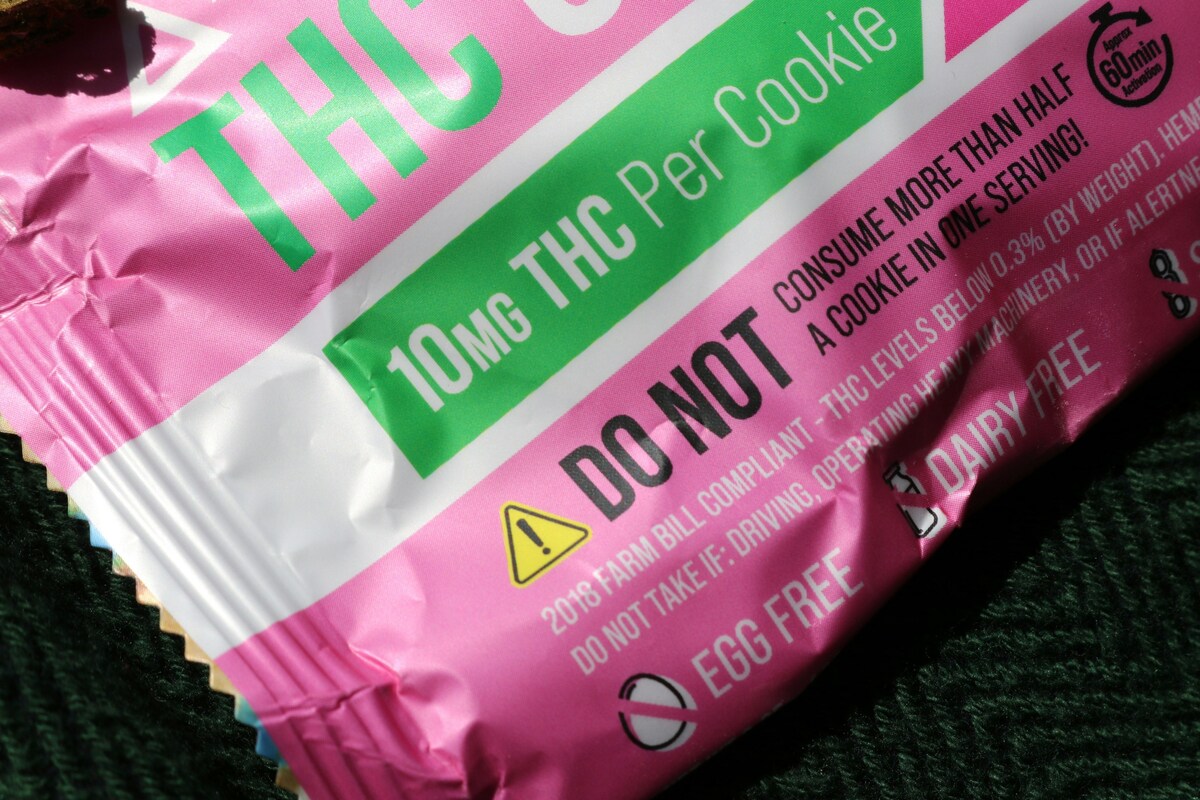
Cannabis packaging regulations change often and vary by state. Updates to child-resistant requirements, warning icons, dosage disclosures, and label layouts regularly force brands to revisit their packaging structure and design.
Before: Compliance added late in the process.
After: Compliance built into the design from the start.
Shifting Target Audiences
As cannabis brands grow, their audience often changes. A company may expand from recreational buyers into wellness-focused consumers, medical patients, or premium shoppers. Packaging that worked for one group may alienate another.
Before: Youth-driven, novelty-heavy visuals.
After: Clean layouts, wellness cues, trust-focused messaging.
Poor Shelf Differentiation
Dispensary shelves are crowded and fast-moving. If packaging doesn’t clearly explain what a product is and why it matters, it gets overlooked. Many cannabis packaging redesigns focus on improving hierarchy, contrast, and readability at a glance.
Before: Too many elements competing for attention.
After: Clear focal points, simplified layouts, strong product cues.

What Successful Cannabis Packaging Redesigns Have in Common
While cannabis brands differ in tone, price point, and audience, the most effective packaging redesigns follow the same core principles. These shared traits show up consistently across redesigns that improve shelf performance, clarity, and consumer trust.
Clear Brand Positioning
Strong cannabis packaging refresh ideas start with a clear answer to one question: What does this brand stand for? Whether a brand is premium or affordable, medical or lifestyle-focused, craft or large-scale, the packaging should reinforce one position without mixed signals.
When positioning is clear, every design choice (color, typography, layout) supports that message. This clarity helps consumers understand the product quickly and decide if it fits their needs.
Improved Readability and Information Hierarchy
Consumers make decisions fast, especially in dispensaries. Successful cannabis packaging redesigns reorganize content so the most important details appear first and are easy to scan.
A common hierarchy includes:
- Product name as the primary focus.
- Potency and dosage are placed next for quick evaluation.
- Supporting details, such as strain type and effects, are placed last.
This structure reduces cognitive load, limits confusion, and builds confidence at the point of sale.
Modernized Visual Language
Many redesigns move away from dated visual cues like heavy leaf graphics, neon colors, or cluttered layouts. Instead, they use intentional design choices that reflect how consumers view cannabis today.
Modernization does not require minimal design. It requires consistency, restraint, and a visual system that matches the brand’s positioning and audience expectations.
Compliance Embedded Into Design
High-performing cannabis packaging redesigns account for compliance early in the process. Required warnings, symbols, and disclosures are planned into the layout instead of being added at the end.
This approach keeps packaging balanced and readable. It also prevents compliance elements from overpowering the brand message or disrupting hierarchy.
Before and After: Cannabis Packaging Redesign Examples That Work
Every brand approaches change differently, but clear patterns appear when comparing packaging before and after a cannabis packaging redesign. The examples below show how targeted design decisions lead to measurable improvements in perception, clarity, and shelf performance.
Example 1: From Generic to Premium
Before:
- Plastic containers with inconsistent labeling.
- Heavy use of bold colors with no visual hierarchy.
- Little to no brand story or differentiation.
After:
- Higher-quality materials and refined finishes.
- A controlled, cohesive color palette.
- Clear brand voice and defined positioning.
Why it worked:
The packaging redesign aligned the product’s appearance with premium pricing. Consumers could quickly see and feel the added value, which made the cost easier to justify.
Example 2: From Recreational to Wellness-Focused
Before:
- Playful graphics and slang-driven language.
- Limited visibility into dosage and effects.
After:
- Clean layouts with clinical clarity.
- Clear emphasis on ingredients, benefits, and transparency.
Why it worked:
The redesigned packaging spoke directly to wellness-focused consumers who prioritize trust, consistency, and clear information over novelty or humor.
Example 3: From Loud to Legible
Before:
- Multiple competing fonts.
- Dense blocks of text with no clear hierarchy.
After:
- Simplified typography systems.
- Clear sections supported by spacing and contrast.
Why it worked:
Improved legibility made the product easier to understand in seconds. That clarity increased shelf visibility and reduced hesitation at the point of sale.
The Role of Compliance in Packaging Redesign
Compliance plays a central role in every cannabis packaging redesign. Regulations are strict, state-specific, and actively enforced. When brands treat compliance as an afterthought, redesigns often stall, require reprints, or fail at retail.
Effective redesigns begin with a clear understanding of legal requirements and build design systems around them. This approach reduces risk and prevents last-minute changes that disrupt layout and readability.
Key compliance factors typically include:
- State-specific warning symbols and required language.
- Child-resistant packaging standards.
- Accurate potency and dosage labeling.
- Testing results and batch or lot information.
When these elements are planned early, they integrate naturally into the packaging layout instead of competing with brand messaging.
The most successful cannabis packaging redesigns treat compliance as a fixed design condition. Rather than limiting creativity, this structure creates clarity, balance, and consistency across products and markets.
Sustainability Trends in Packaging Redesign
Sustainability has become a growing priority in packaging redesign, especially as consumers pay closer attention to environmental impact. At the same time, strict safety and compliance rules limit which materials and formats brands can use. The challenge lies in reducing waste without compromising legality or product protection.
Brands that handle this well tend to focus on practical improvements rather than sweeping claims. Common sustainability-driven redesign strategies include:
- Reducing excess packaging, such as oversized boxes or unnecessary inserts.
- Using recyclable or biodegradable materials where regulations allow.
- Designing containers that balance sustainability with child-resistant safety standards.
Successful cannabis packaging redesigns communicate environmental choices clearly and accurately. Instead of vague claims, they explain what was changed and why. This transparency builds trust and avoids skepticism from consumers who expect proof, not promises.
The Cannabis Packaging Redesign Process (Step-by-Step)
A structured process is critical for a successful cannabis packaging redesign. Following a clear, step-by-step approach ensures that design choices support brand goals, comply with regulations, and resonate with consumers. Here’s a closer look at each phase:
- Brand Audit.
Assess your current packaging to determine what works and what doesn’t. Review visual identity, messaging, materials, and shelf performance. This step identifies strengths to retain and weaknesses to address in the redesign. - Competitive Analysis.
Examine competitors’ packaging to uncover gaps, trends, and opportunities. Identify how your product can stand out on crowded dispensary shelves while appealing to your target audience. - Regulatory Review.
Understand all relevant state and federal cannabis packaging requirements. This includes child-resistant packaging, labeling, warnings, potency disclosures, and testing information. Early review prevents costly revisions later. - Concept Development.
Develop design concepts that align with your brand positioning. This stage defines visual language, typography, color palettes, and messaging hierarchy while considering how compliance requirements will fit seamlessly. - Prototyping.
Create physical or digital prototypes to test packaging structure, materials, and layout. Prototyping ensures the design works in real-world conditions, including shelf visibility, usability, and durability. - Compliance Review.
Perform a final check to confirm that all regulatory elements are correctly integrated. This validation step ensures that packaging is fully compliant before production. - Production and Rollout.
Execute the redesign at scale and monitor performance. Gather feedback from retailers and consumers to measure success and identify potential improvements for future iterations.
A clear, methodical approach helps brands avoid common pitfalls while maximizing the impact of their packaging redesign.
Common Mistakes to Avoid in Packaging Redesign
Even experienced brands can stumble during a cannabis packaging redesign if they overlook key pitfalls. Avoiding these common mistakes ensures your redesign is effective, compliant, and consumer-friendly:
- Designing without regulatory input – Ignoring state and federal requirements can result in costly redesigns or legal issues. Compliance should guide, not hinder, your creative decisions.
- Overdesigning at the expense of clarity – Excessive graphics, fonts, or colors can confuse consumers. Packaging should communicate essential information quickly and clearly.
- Ignoring shelf visibility – Packaging that looks good in isolation may fail in a crowded dispensary. Test designs in real-world settings to ensure they stand out appropriately.
- Redesigning without understanding your target customer – Packaging must align with the audience’s expectations and preferences, whether that’s wellness-focused consumers, recreational users, or premium buyers.
Avoiding these mistakes not only saves time and money but also protects brand credibility and shelf performance.
When Is the Right Time to Redesign Cannabis Packaging?
Brands usually consider a packaging redesign when external or internal factors signal that current packaging is no longer effective. Common triggers include:
- Sales plateau or decline – Packaging that fails to attract attention or communicate value can directly impact revenue.
- Expanding into new markets or states – New regions may have different consumer expectations and regulatory requirements.
- Launching new product lines – Fresh products often need packaging that aligns with brand identity while differentiating from existing offerings.
- Undergoing a broader rebrand – If your brand identity evolves, packaging should reflect the updated positioning.
- Facing updated compliance requirements – Changes in labeling, child-resistant standards, or disclosure regulations often necessitate a redesign.
Final Word
A successful cannabis packaging redesign goes far beyond aesthetics. It reflects a brand’s evolution, reinforces trust, improves compliance, and enhances shelf performance. When done thoughtfully, the difference between before and after is not just visual; it’s commercial.
Partner with Custom 420 Supply for Your Next Redesign
Custom 420 Supply offers end-to-end solutions for cannabis brands looking to elevate their packaging. From custom cannabis packaging to bespoke labeling solutions, our in-house design team works closely with you to ensure your redesign is visually striking, compliant, and aligned with your brand identity.
Want to learn more? We invite you to reach out through our contact page today!
Frequently Asked Questions
How much does a packaging redesign cost?
The cost of a cannabis packaging redesign depends on the project scope, materials, and regulatory requirements. Small updates, like label tweaks or color adjustments, can be relatively affordable. Full redesigns (including structural changes, custom materials, and in-house design) represent a larger investment but often deliver higher shelf impact and brand value.
How long does a redesign take?
A cannabis packaging redesign typically takes 2–6 months, depending on complexity and approval processes. Timelines include concept development, prototyping, regulatory review, and production. Planning ahead and integrating compliance early can help speed up the process.
Can you redesign packaging without branding?
Yes. Packaging can be redesigned to improve readability, compliance, or sustainability without altering the overall brand identity. Many brands opt for subtle improvements (like updating labels, layouts, or materials) while keeping logos, colors, and messaging consistent.
Does packaging redesign affect compliance?
Yes. Every change in cannabis packaging must be reviewed for compliance with state and federal regulations. Effective redesigns integrate legal requirements into the design from the start, ensuring labeling, child-resistant features, and disclosure information remain accurate and visible.