
Florida cannabis packaging guidelines depend on the product you sell. Medical marijuana and hemp extract follow different rules. Treating them the same can lead to wrong labels and unsuitable packaging orders.
This guide covers the key questions licensed operators and suppliers should answer in 2026. Start with Florida Statutes section 381.986 and the rules from the Florida Department of Agriculture and Consumer Services (FDACS).
Understand Florida’s two regulatory pathways
Florida’s Office of Medical Marijuana Use oversees the medical marijuana program. It sits within the Department of Health. Medical marijuana treatment centers (MMTCs) must follow rules on:
- Dispensing
- Testing
- Labels
- Patient records
Hemp extract products are separate. Businesses must review Florida’s hemp rules and the FDACS framework.
This matters before you design anything. Packaging made for a retail hemp product may not be compliant for medical marijuana. An MMTC label also cannot be reused on a hemp product without changes.
Before you send final artwork to a printer, confirm:
- The legal classification
- The manufacturing arrangement
- The distribution channel
Check child-resistant packaging requirements
Section 381.986 requires medical marijuana packaging to meet the federal Poison Prevention Packaging Act framework. The package must suit the specific product form. A child-resistant zipper claim is not enough.
Ask vendors for test documentation. The documents should name the exact package version they cover.
Also ask how the container works after opening, and whether it is meant to be reclosed. Review the closure instructions, inserts, seals, and any outer carton as part of the full design.
A useful procurement checklist records:
- Product
- Container size
- Closure specification
- Applicable standard
- Document approval date
Separate plain-packaging rules by product type
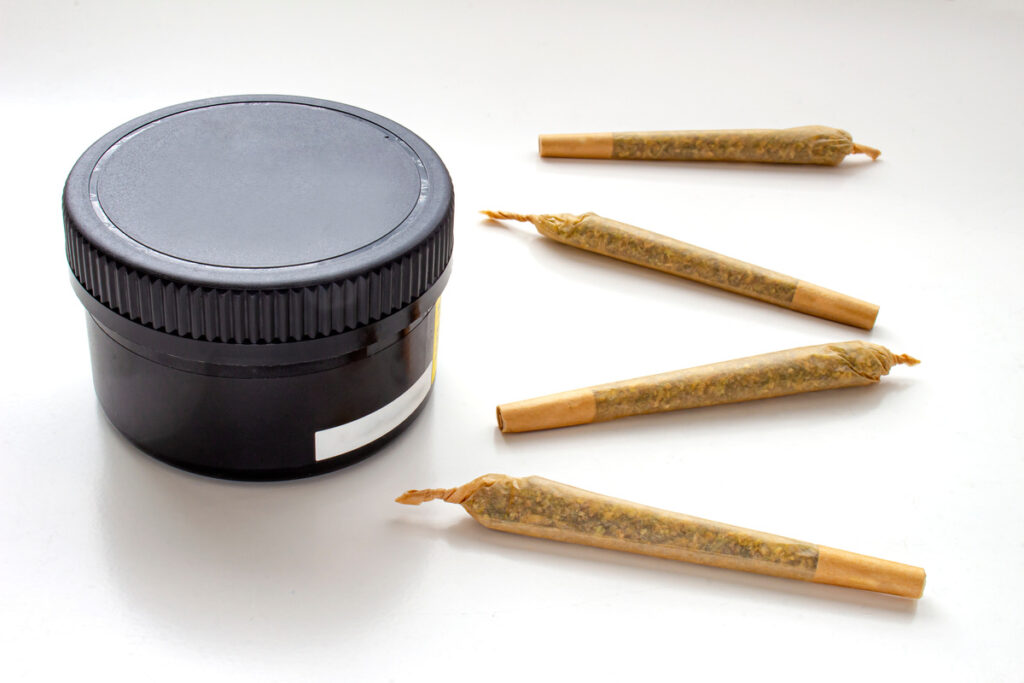
Florida sets specific appearance rules for marijuana meant for smoking. The receptacle must be:
- Sealed
- Plain
- Opaque
- White, with limited permitted graphics
It must also show required warnings about children and the health risks of marijuana smoke. Do not apply these rules to every hemp extract package.
Medical marijuana edibles have their own rules:
- Each edible must be sealed individually in plain, opaque wrapping.
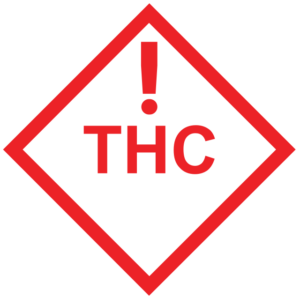
- The wrapping must carry the required symbol.
- The larger edible receptacle must follow the statutory appearance limits.
- It must also carry the right product information and warnings.
Confirm the final wording with your MMTC’s compliance reviewer.
Include patient-specific information when dispensing
A medical marijuana receptacle must carry a firmly affixed, legible label. The statute lists required details, including:
- The originating MMTC
- Batch and harvest details
- Dispensing date
- Physician and patient names
- Product and dosage form
- THC and CBD concentration
- Recommended dose
- The universal symbol
The label must also warn against giving the product to someone else.
Some of this information is unique to each patient and each sale. So a preprinted, branded bag cannot replace the dispensing label.
Packaging teams need two things:
- A dedicated area for compliant variable data
- A process that stops labels from covering warnings or hiding required information
Plan the required product information insert
Florida requires MMTCs to include a patient package insert. It covers product-specific details such as:
- Clinical pharmacology
- Dosage
- Indications
- Precautions
- Adverse reactions
A generic marketing insert does not meet this requirement. The licensed operator should own and approve the content.
Designers should make sure the insert fits without damaging the package or blocking normal opening. Also ask:
- How will inserts be matched to each product and batch?
- How will revised versions be controlled?
Your workflow should prevent outdated information from being inserted after a regulatory or formulation change.
Review edible packaging separately
Edibles need extra care because they can look like familiar foods. Besides the appearance limits, the receptacle must include:
- Ingredients
- Storage instructions
- An expiration date
- Required warnings, including a statement about federal food safety inspection
Prepare label content from your actual formula and current law. Do not rely on a supplier’s sample nutrition or ingredient panel for a different recipe.
Also check:
- Allergen disclosures
- Food-contact documentation for the container
That a small print area does not shrink required text to an unreadable size or push it onto a prohibited surface
Keep hemp extract requirements in a separate checklist
Florida’s hemp extract rules differ from the medical marijuana program. They may include packaging, labeling, testing, and ingredient requirements for each product.
These rules have changed over time, including a 2025 update. Verify the current text and effective dates instead of relying on an older summary.
Start with the FDACS regulation and guidance for your specific hemp product. Then confirm:
- Whether packaging needs a particular child-resistant feature
- How cannabinoid information must appear
- Which manufacturing or testing details you must disclose
Do not use the medical program’s patient-specific fields on products outside that program.
Make a production-ready compliance matrix
A clear matrix lists, for each product:
- Product category
- Governing agency
- Container structure
- Closure performance
- Required appearance
- Permanent printing
- Variable labeling
- Insert needs
Put the citation for the controlling rule next to each requirement. This helps your team tell a legal mandate from a brand preference or a supplier suggestion.
Use separate approval steps for legal content and physical packaging. A good-looking proof may fail if a warning is too small. A compliant closure may fail if your filling line cannot seal it consistently. Fix both problems before commercial production.
Verify packaging with physical samples
Request samples of the exact finished package, with the correct closure, film, label, insert, and seal method. Then test:
- Filling
- Reopening
- Product fit
- Print legibility
- Normal handling
Where child resistance is required, check the supporting evidence for your actual configuration. Document any change in material or zipper, because changes can affect earlier test results.
Make sure late-added cartons or labels do not hide required text. Audit all versions for the current product before you buy.
Treat final MMTC or regulatory approval as a launch gate. Do not make it an optional review after printing.
Selling in more than one state? Compare our guides to Georgia cannabis packaging rules, Illinois marijuana packaging standards, and Maryland cannabis packaging regulations, or browse all cannabis packaging state guides.
Frequently Asked Questions
Does Florida allow recreational cannabis packaging?
Florida’s medical marijuana rules are not a general adult-use retail framework. Confirm the current state of the law before suggesting products can be sold in a recreational market.
Must Florida medical marijuana packaging be child-resistant?
Yes. Florida law requires packaging that meets the relevant federal poison-prevention framework. The licensed operator should verify performance documentation for the finished package.
Are all Florida cannabis packages required to be white?
No. Do not make one statement for both medical marijuana and hemp. Florida law applies plain, opaque, white receptacle rules to certain medical marijuana forms, including smoking products and edibles.
Can a supplier print the entire medical marijuana label in advance?
No. Only some information is known before dispensing. Patient, physician, and transaction-specific fields need an approved variable-labeling process controlled by the MMTC.
Where should operators check the latest requirements?
Review Florida Statutes section 381.986, current Department of Health and OMMU guidance, and FDACS requirements for hemp products. Have a qualified reviewer validate the final package before sale.