Texas Cannabis Packaging Laws: What You Need to Know in 2026

Texas Cannabis Packaging Laws: What You Need to Know in 2026

Texas cannabis packaging laws can feel confusing because they shift often.

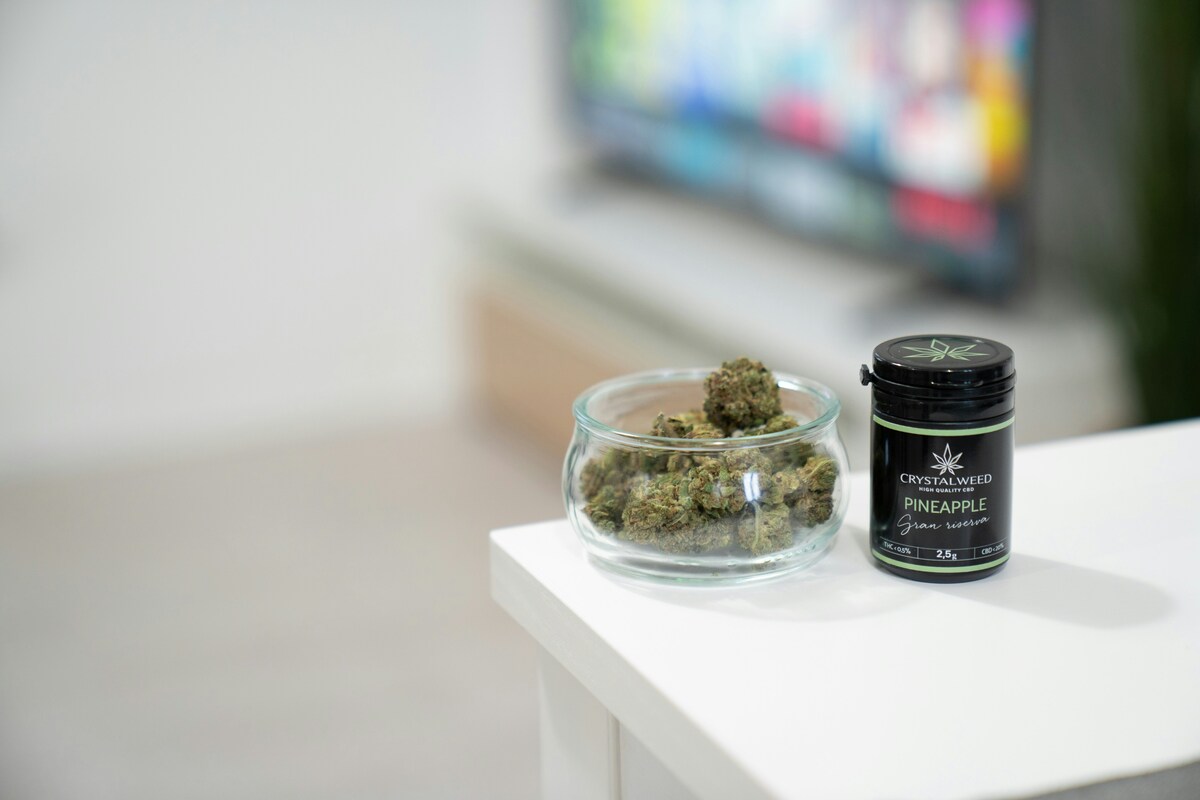
While recreational marijuana is still illegal, hemp-derived products such as CBD and Delta-8 THC are sold widely across the state. Lawmakers continue to adjust rules on how these products must be packaged, labeled, and sold.

For businesses, compliance is more than following today’s rules; it also means preparing for changes that may come soon.

Texas law draws a clear line between hemp, medical cannabis, and marijuana:

  • Hemp-Derived Products – Cannabis with no more than 0.3% delta-9 THC by dry weight is classified as hemp. This includes CBD oils, Delta-8 edibles, and infused beverages. These products are legal under both state and federal law.
  • Medical Cannabis – Patients with qualifying conditions can access low-THC cannabis oil through the Compassionate Use Program (CUP). This oil contains less than 1% THC and must be prescribed by a licensed physician.
  • Recreational Marijuana – Still illegal in Texas. Even small amounts can lead to criminal charges.

Since hemp products make up most of the market, packaging and labeling laws focus heavily on this category.

Texas Packaging and Labeling Requirements for Hemp Products

Under Texas Health & Safety Code § 443.205, each consumable hemp product unit must include:

  • Batch or lot identification number and date.
  • Product name.
  • Manufacturer’s name.
  • A URL, QR code, or barcode linking to the product’s Certificate of Analysis (CoA).
  • A certification that the delta-9 THC level is 0.3% or less by dry weight.

The label must appear on each unit intended for individual retail sale, whether on inner or outer packaging. State rules allow the label to be a URL or a scannable code leading to required information.

Additionally, federal food, drug, and cosmetic labeling rules may apply. For example, if the product is edible, it might need to list ingredients, allergens, net contents, and manufacturer details.

Texas law also bans the manufacture of consumable hemp products intended for smoking (such as pre-rolled hemp cigarettes), though some retail sales remain permitted under court rulings.

Texas Packaging and Labeling Requirements for Hemp Products

Beyond the Statute: Industry Compliance Best Practices

The law sets the baseline, but many packaging standards come from industry best practices and ongoing regulatory proposals. These include:

  • Child-Resistant and Tamper-Evident Packaging – Packages should be secure, opaque, and resealable to reduce accidental ingestion.
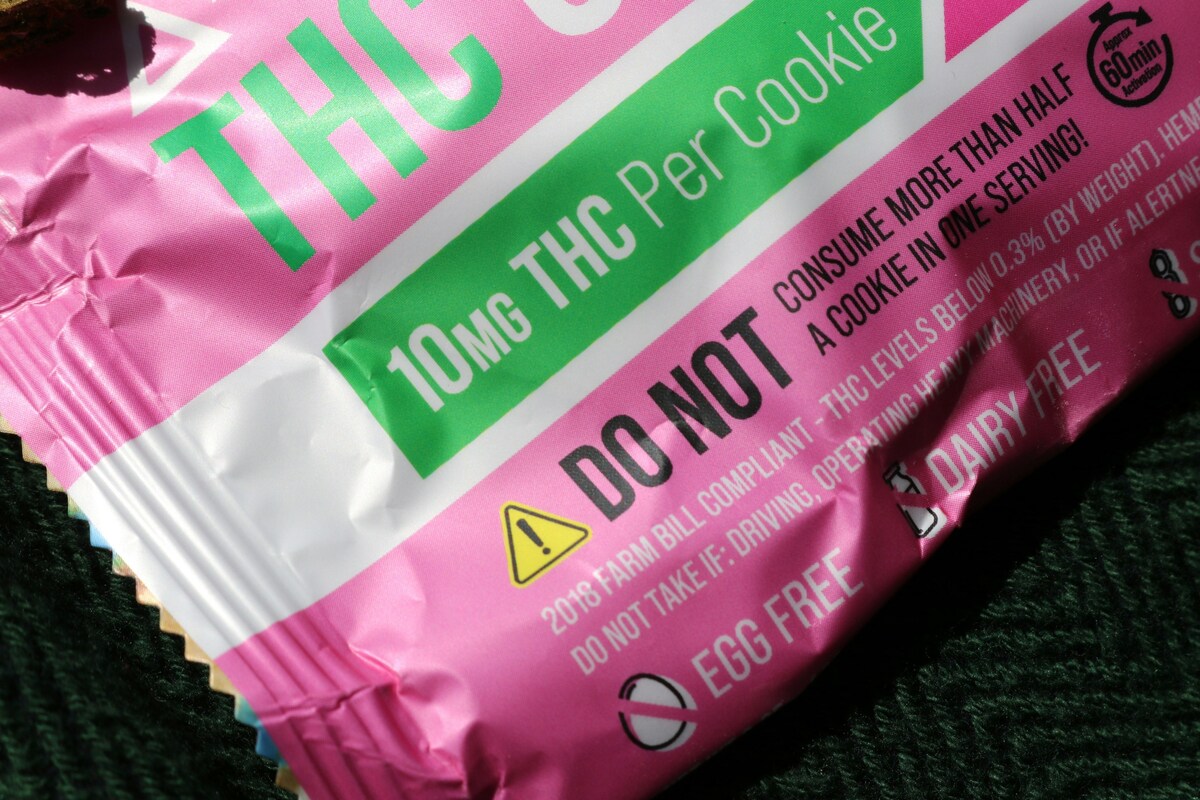
  • Warning Labels and Disclosures – Labels often state that products are not for children, pregnant women, or people who plan to drive. FDA disclaimers are common on CBD products.
  • Marketing Restrictions – Packaging should avoid candy-like designs, snack imagery, or cartoons that could appeal to minors.

Not all of these measures are mandatory under Texas law yet, but lawmakers are actively reviewing them.

Legislative Developments Reshaping the Rules

Texas cannabis packaging laws continue to shift as lawmakers debate how to regulate hemp and cannabis products. Several recent bills stand out:

  • Senate Bill 3 (SB3) – Proposed a statewide ban on intoxicating hemp-derived products. Governor Greg Abbott vetoed the bill in June 2025 but expressed support for stricter rules, including child-resistant packaging, age limits, and warning labels.
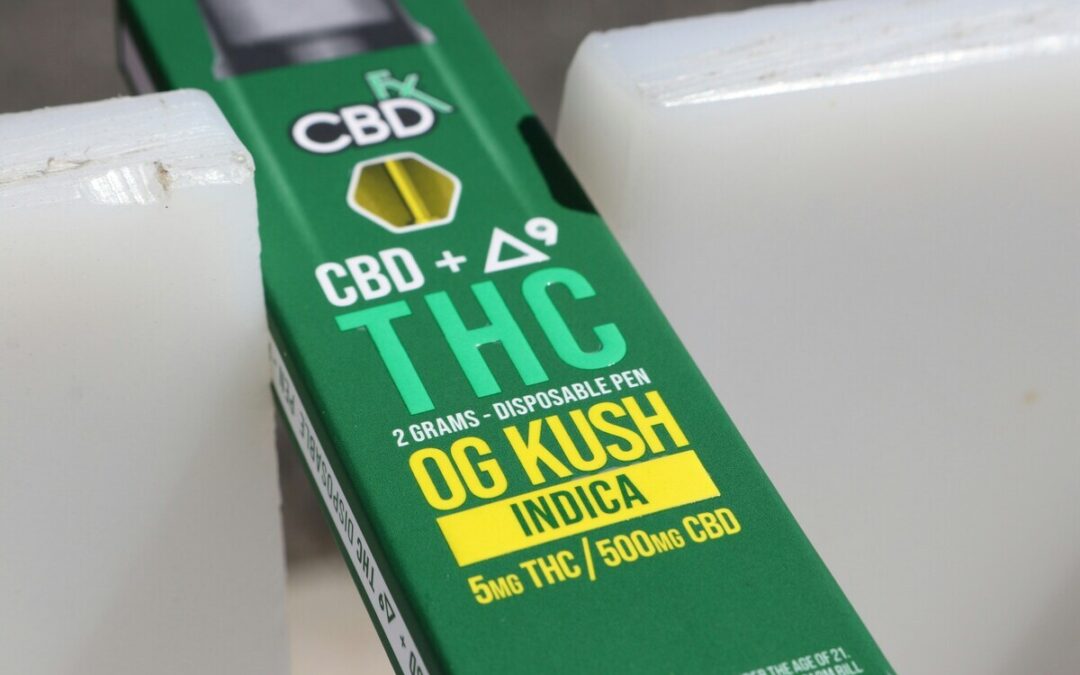
  • Senate Bill 2024 – Effective September 1, 2025, this law bans the sale and marketing of cannabinoid vape products such as CBD, Delta-8, and THC vapes. Possession remains legal, but retailers face penalties for selling.
  • SB5 / HB5 (Proposed) – Aim to tighten hemp regulation further by setting THC content limits, restricting packaging that appeals to minors, and requiring warnings similar to alcohol and tobacco.

What This Means for Businesses

For manufacturers, distributors, and retailers, compliance requires a proactive approach. Key actions include:

  • Labeling Accuracy – Display batch ID, CoA access, and THC concentration on every retail package.
  • Packaging Safety – Use child-resistant, tamper-evident designs, even if not yet required by law.
  • Responsible Marketing – Avoid bright, candy-like branding or imagery that could attract minors.
  • Regulation Tracking – Watch upcoming bills such as SB5/HB5 and adjust packaging strategies early.

By staying ahead of regulation, businesses reduce legal risk and build consumer trust in a fast-growing market.

What This Means for Texas Cannabis Businesses

Final Word

Texas cannabis packaging laws continue to change quickly. Current rules focus on hemp-derived products, but future regulations may bring stricter standards on child safety, age limits, and health warnings.

Do you need cannabis packaging that stays up-to-date on compliance? Custom 420 Supply is here to help! We invite you to reach out through our contact page for more information.

Frequently Asked Questions (FAQs)

Are cannabis packages in Texas required to include prescribing physician and patient information?

No. Packages for hemp-derived products and low-THC cannabis under the Compassionate Use Program do not require physician or patient details. Prescriptions are tracked electronically through the state’s registry system, not on the packaging itself. Packaging laws focus on batch ID, Certificates of Analysis (CoAs), and THC concentration.

How will Texas Senate Bill 3 impact packaging rules for hemp-derived THC consumables?

Although SB3 was vetoed in June 2025, Governor Abbott suggested revising it to impose stricter packaging standards instead of an outright ban. Future legislation inspired by SB3 could require child-resistant packaging, stronger warning labels, age restrictions, and clearer THC disclosures. Businesses should prepare for these changes even though they are not yet law.

What are the penalties for non-compliance with cannabis packaging regulations in Texas?

Penalties vary depending on the violation. Selling hemp products without proper labeling (e.g., missing CoA link or incorrect THC disclosure) can result in product seizures, fines, or license suspension for manufacturers and retailers. Under new laws such as SB2024, selling prohibited products like cannabinoid vapes could be prosecuted as a Class A misdemeanor, carrying fines and potential jail time.

Chinese New Year 2026 and its Manufacturing Impact

Chinese New Year 2026 and its Manufacturing Impact

We explore the depths of the Chinese New Year, a celebration steeped in tradition and cultural importance, with far-reaching effects on global supply chains. Observed both in China and among Chinese communities across the world, the festival is known for its family reunions, delicious foods, and colorful festivities. However, beyond the joyous celebrations, it plays a crucial role in shaping the flow of goods and services on an international scale.

What is Chinese New Year?

Chinese New Year (CNY) also known as Lunar New Year or Spring Festival, marks the start of a new zodiac cycle based on the Chinese lunar calendar. 2026 is the Year of the Horse. Festivities include red decorations, elaborate meals, thorough cleaning of homes, and visiting family. A major tradition involves lighting firecrackers, originating from the legend of the monster Nian.

 In 2026, Lunar New Year falls on February 17th, kicking off the 16-day Spring Festival. However, festivities start prior and extend beyond this 16 day period.

Global Supply Chain Disruptions

The impact of Chinese New Year extends far beyond China, affecting global supply chain operations. International companies, especially those dependent on Chinese-manufactured components, often face delays in shipments, inventory shortages, and ripple effects on production timelines worldwide.

Many workers leave with factories shutting down prior to the holiday to allow for travel and holiday preparations. This adds to the disruption well before and beyond the holiday’s actual celebratory dates. These disruptions highlight the importance of understanding and planning strategically around the Chinese New Year to effectively manage the inevitable challenges it brings.

How Should My Company Prepare?

Proactive businesses, aware of the upcoming manufacturing hiatus, often adopt strategic measures like stockpiling inventory to avoid potential shortages. These strategies may involve accelerating production schedules and increasing inventory levels. The goal of these actions is to maintain supply chain continuity and protect against disruptions caused by the festive break in production. Preparations should be made until production returns around the end of February.

Post-Festival Recovery and Restart

The period following the Chinese New Year is equally significant, representing a time of recovery and restart for industries and supply chains. The reopening of factories, the return of workers, and the resumption of production processes require careful coordination to restore pre-holiday operations. This phase often sees a surge in production to make up for the holiday slowdown, as businesses strive to stabilize supply chains and meet backlogged demand.

Which Custom 420 Supply Products will be Impacted?

This will impact any of your custom products, such as bags, boxes, vape hardware, jars, tubes, tins, and more. Most custom packaging options with direct printing of your branding will be delayed during this time-frame. However, please note that all labels and simple fold-and-tuck boxes will continue to be available during this period. Additionally, if you use non-branded stock packaging, it will remain unaffected and still available as an option.

What is the Current Situation with the Tariffs on products from China?

When importing products from China to the U.S., there are government-imposed tariffs – essentially import taxes – added to the total “declared value” of these items. These tariffs vary by product type and are collected by U.S. Customs as they arrive to the border. Custom 420 Supply handles these tariffs and has built them into the cost of your shipping charges. The current tariff rate has been negotiated into place during the CNY period and we do not anticipate any increases during this time.

In Conclusion

The Chinese New Year, while a time of vibrant celebration and cultural tradition, also holds significant implications for global supply chains. From factory shutdowns to production delays, the festival creates disruptions that can impact international businesses with ties to Chinese manufacturing.

However, with careful planning and strategic measures, such as stockpiling and adjusting production schedules, companies can mitigate these challenges. As the post-festival period brings a recovery in manufacturing and logistics, businesses must remain adaptable to navigate both the immediate and long-term effects. By understanding the complexities of this period, companies can ensure continuity and minimize the impact on their operations during this crucial time.

Utah Marijuana Packaging Regulations: A Complete Guide for 2026

Utah Marijuana Packaging Regulations: A Complete Guide for 2026

Utah’s medical cannabis program has grown steadily since its legalization in 2018. Along with this growth, the state has put strict rules in place for packaging and labeling. Utah marijuana packaging regulations ensure that every cannabis product meets safety standards, prevents appeal to minors, and maintains product quality from cultivation to dispensary shelves.

For businesses in Utah’s cannabis market, following these regulations is more than a legal requirement. Compliance helps build trust with patients and protects the long-term stability of the industry.

Legal Framework Overview

Utah Code: Packaging and Labeling Foundations

Two sections of the Utah Code form the basis for cannabis packaging rules:

  • § 4-41a-602 (Medical Cannabis Packaging Requirements) – This law requires child-resistant and tamper-evident packaging. It prohibits designs that appeal to children and mandates pharmacy labels, batch tracking, and health warnings.
  • § 4-41a-502 (Cultivation Facility Packaging Standards) – Cultivation facilities must place cannabis in tamper-evident containers that do not attract minors before sending products to processors.

These laws set the baseline: packaging must protect consumers, keep products intact, and avoid marketing that appeals to underage users.

Utah Administrative Code: Detailed Rules

The Utah Administrative Code adds specific rules for packaging and labeling:

  • R66-2-13 – Processing facilities must follow Good Manufacturing Practices (GMPs). Packaging must be child-resistant under federal standards (16 CFR 1700) and cannot contaminate the product.
  • R66-35-5 – Labels must include the product name, cannabinoid content, batch ID, suggested use, allergens, disclaimers, and access to a Certificate of Analysis (CoA).

Key Packaging and Labeling Requirements

Prevention of Child Appeal

All cannabis products must use packaging that meets federal child-resistant standards and includes tamper-evident features. This protects children and ensures that any opening is clearly noticeable.

Opaque, Safe Packaging Materials

Packaging must be opaque so the product inside is not visible. It must also be made from materials that do not interact with or contaminate the cannabis. This is especially important for edibles, tinctures, and concentrates.

Mandatory Label Content

Every cannabis product in Utah must have a label that shows:

  • Product or brand name and container size
  • Net weight or volume
  • Cannabinoid profile (THC, CBD, and other active compounds)
  • Extraction method (e.g., CO₂, ethanol)
  • Full ingredient list and allergens
  • Suggested use and serving size
  • Batch or inventory control number
  • Name of the medical cannabis pharmacy
  • Safety warnings and disclaimers

Disclaimers and CoA Access

Labels must clearly state that the product has not been evaluated by the Food and Drug Administration (FDA) and is not intended to diagnose, treat, or cure any disease. Patients must have access to third-party lab results through a QR code or web link printed on the package.

Rules for Edibles

Edibles have extra requirements:

  • Labels must include warnings about over-consumption.
  • No images of the food product are allowed.
  • Gelatinous candies like gummies must follow strict child-resistance rules.

Synthetic or Derivative Cannabinoids

Products containing synthetic or derivative cannabinoids, such as Delta-8 THC, must clearly state this on the label.

Key Packaging and Labeling Requirements in Utah

Recent Legislative Developments

Utah lawmakers are strengthening cannabis packaging rules. H.B. 357, introduced in 2025, proposes to:

  • Ban images of cannabis content on labels for gel-style edibles.
  • Require clearer labeling for synthetic cannabinoids.
  • Give the Department of Environmental Quality more authority to standardize label formatting and limit child-appealing imagery.

Best Practices and Compliance Tips

Cannabis businesses in Utah must follow both the letter and spirit of the law. These best practices can help ensure compliance:

  • Use tamper-evident, opaque, child-resistant containers for all products.
  • Partner with packaging suppliers who understand Utah-specific regulations.
  • Include batch tracking, ingredient lists, cannabinoid content, and disclaimers on every label.
  • Add scannable QR codes that link directly to Certificates of Analysis (CoAs).
  • For edibles, avoid images of the product and provide clear warnings about overuse.
  • Stay updated on legislative changes, including bills like H.B. 357.

Following these steps helps businesses remain compliant, protect patients, and build trust in the Utah cannabis market.

Final Word

Utah marijuana packaging regulations are some of the strictest in the country. They focus on safety, protecting children, and building trust in the state’s medical cannabis program.

For cannabis businesses, following these rules helps avoid penalties and shows a commitment to patient safety and product transparency.

Are you a cannabis business in the Beehive State and need fully compliant packaging assistance? Custom 420 Supply is here to help! We invite you to reach out through our contact page to learn more.

Frequently Asked Questions

How does Utah regulate the use of branding and imagery on cannabis packaging?

Utah strictly prohibits cannabis packaging from appealing to children. This means no cartoons, mascots, bright candy-like designs, or images that resemble non-cannabis products. Edibles cannot display pictures of the food itself. Branding must remain professional, factual, and not misleading.

Are cannabis packages in Utah allowed to include health claims or medical advice?

No. Utah law forbids cannabis labels from making health claims, therapeutic promises, or offering medical advice. Every package must include a disclaimer stating the product has not been evaluated by the FDA and is not intended to diagnose, treat, or cure any condition.

What are Utah’s rules regarding expiration dates and batch numbers on marijuana packaging?

All cannabis products must list both the expiration date (to ensure patient safety and product integrity) and a batch or inventory control number (for quality assurance and traceability). This helps regulators and pharmacies track products in the event of recalls or compliance checks.

Pre-Roll Tubes with Labels: Compliance Meets Creative Branding

Pre-Roll Tubes with Labels: Compliance Meets Creative Branding

Pre-roll tubes with labels are more than simple packaging; they are a key part of the cannabis market’s growth.

Pre-rolls have become one of the fastest-selling products because they offer convenience, consistency, and familiarity. Yet, every pre-roll relies on the tube and the label that protects it.

These labels do more than meet state cannabis regulations; they also give brands a clear way to share identity and connect with buyers. A well-designed label can turn a standard product into one that earns trust and stands out on dispensary shelves.

The Compliance Imperative: Why Labels Matter

Cannabis packaging rules change from state to state, making compliance a top priority for every brand.

In markets such as California, Colorado, and Massachusetts, regulators require strict labeling standards. These include child-resistant packaging, health warnings, clear THC/CBD potency details, and limits on designs that could appeal to minors.

Missing these requirements can lead to heavy fines, product recalls, and long-term damage to brand reputation.

What Labels Must Include

Most states require pre-roll tubes with labels to display:

  • Product identity (strain and type)
  • Potency details (THC/CBD percentages)
  • Batch and lot numbers
  • Testing and certification
  • Universal cannabis symbols and warnings

Since pre-roll tubes are small, every label must balance compliance and readability. A clear design ensures buyers can easily understand the product while brands stay aligned with state laws.

Functional Considerations: Packaging That Protects and Preserves

Material Choices

Pre-roll tubes are made from plastic, glass, or metal, with each material offering distinct benefits.

  • Glass provides a premium look and strong freshness preservation.
  • Plastic and metal are lightweight and budget-friendly, making them practical for large-scale production.

Many brands choose glass pre-roll tubes with labels when they want both a high-end image and compliance with packaging rules.

Child-Resistant and Tamper-Evident Features

Regulators require most pre-roll tubes to include child-resistant features. Popular options are pop-top lids, screw caps, and tamper-evident bands. These safeguards protect consumers and give regulators confidence in product safety.

The Challenge of Limited Space

A pre-roll tube label usually has less than 10 square inches of space. This limited area forces brands to design labels that clearly present compliance details without sacrificing visual appeal. Smart design can help a brand meet legal standards while still standing out on dispensary shelves.

Functional Considerations for Pre-Roll Tubes with Labels

Creative Labeling Strategies: Brand Identity Meets Regulations

Material and Finish Options

Labels for pre-roll tubes can be made from paper, vinyl, foil, or BOPP (biaxially oriented polypropylene), which is durable and cost-effective. Premium finishes such as metallic foils, spot gloss, and matte coatings create a polished look while meeting compliance rules in most states.

Direct-to-tube printing offers a seamless, professional finish. For brands looking to scale, many suppliers offer pre-roll tubes with labels for sale, making it easier to source packaging quickly.

In-Mold Labeling (IML)

A more advanced choice is in-mold labeling, where the label design fuses with the tube during production. This process creates a smooth, wrap-around finish that resists damage and improves recyclability; features that attract eco-conscious buyers. However, it isn’t the most cost-effective.

Balancing Creativity and Compliance

Top cannabis brands know how to follow regulations while building a strong identity. Typography, color contrasts, and icon placement help keep required information easy to read, while leaving space for design elements that tell a brand’s story.

Sustainability as a Brand Differentiator

More buyers are searching for eco-friendly choices, pushing brands to explore sustainable pre-roll packaging. Options include recycled plastics, hemp-based tubes, and compostable materials. Labels that highlight these efforts can strengthen trust and boost long-term loyalty.

Operational Efficiency: Labeling in Production

Manual vs. Automated Labeling

For small cannabis brands, hand-labeling pre-roll tubes may be manageable. However, once demand grows, automation becomes the smarter choice.

Automated label applicators can boost efficiency by as much as 300%. They cut labor costs and ensure every label is applied with the same precision, even across large batches.

This is also where our application services come in; pre-roll tubes are the item we label most often. Many customers choose to have their tubes arrive already labeled and ready to go, saving them time and resources.

Scaling for Multi-State Operations

As brands expand into new states, packaging consistency and compliance become harder to manage. Labels must hold up during shipping, meet different state rules, and maintain a uniform look. Designing with scalability in mind makes the process smoother.

Operational Efficiency of Pre-Roll Tubes with Labels

Smart Labels – QR codes are becoming common on pre-roll tubes with labels, giving buyers instant access to lab results, product details, or educational resources.

Minimalist Branding – Clean, uncluttered label designs help brands meet compliance rules while appealing to consumers who prefer a modern, simple look.

Luxury Finishes – Custom colors, unique textures, and premium packaging elements are helping high-end cannabis lines stand apart.

Integrated Freshness Features – New packaging solutions include airtight seals and humidity control packs that preserve product quality.

As consumer expectations rise, joint tubes will remain both compliance tools and opportunities for stronger brand identity.

Final Word

Pre-roll tubes with labels go beyond simple packaging. They connect brands, regulators, and consumers in meaningful ways.

By focusing on compliance, protecting product freshness, and using creative design, cannabis companies can transform packaging into a powerful brand asset.

Do you need assistance with your pre-roll packaging? Custom 420 is here to help! We invite you to reach out through our contact page to learn more.

Frequently Asked Questions (FAQs)

What are pre-roll tubes with labels?

Pre-roll tubes with labels are specialized cannabis packaging designed to hold and protect pre-rolled joints. The labels display required compliance information while serving as a branding tool.

Are pre-roll tubes with labels required by law?

Yes, in most states, cannabis pre-roll packaging must include compliant labeling. These requirements typically cover potency information, health warnings, batch numbers, and universal cannabis symbols.

What materials are best for pre-roll tube labels?

BOPP labels are the most common because they are durable, resistant to moisture, and cost-effective. However, brands may also choose paper or foil labels for different finishes and textures.

Can labels on pre-roll tubes be customized?

Absolutely. Labels can feature custom colors, finishes, logos, and even eco-friendly materials, provided all compliance requirements remain visible and legible.

Do pre-roll tubes with labels support sustainability?

Yes. Many brands now use recycled plastics, PCR tubes, hemp-based materials, or in-mold labeling to reduce waste. Highlighting these choices on labels can also strengthen brand identity.

South Dakota Marijuana Packaging Requirements: What You Need to Know

South Dakota Marijuana Packaging Requirements: What You Need to Know

South Dakota allows medical marijuana use under strict rules to protect patients and maintain product quality. Following South Dakota marijuana packaging regulations is essential for producers and dispensaries. Correct packaging keeps products safe, prevents misuse, and ensures compliance with state law.

Legal Framework

South Dakota’s medical cannabis regulations are anchored in South Dakota Codified Law (SDCL) 34-20G. This statute outlines the legal parameters for medical cannabis cultivation, processing, and distribution. The South Dakota Department of Health (SDDOH) is tasked with overseeing the program, ensuring compliance, and enforcing regulations.

Under SDCL 34-20G-65, all activities related to cannabis cultivation, harvesting, manufacturing, and packaging must occur within secure facilities at registered physical addresses. Access is restricted to authorized personnel, including medical cannabis establishment agents and emergency responders. This provision ensures that all stages of cannabis production are conducted in controlled environments, minimizing risks and maintaining product integrity.

Additionally, South Dakota Administrative Rule 44:90:10 provides detailed guidelines on packaging and labeling requirements. These regulations mandate that all cannabis products be enclosed in child-resistant, opaque, and resealable packaging. Labels must include essential information such as the product’s name, THC content, batch number, and the producer’s registration number.

These measures are designed to prevent accidental ingestion and ensure that consumers have access to accurate product information.

Packaging Specifications

All cannabis products in South Dakota must be enclosed in packaging that is child-resistant, opaque, and resealable. The packaging must also be tamper-evident, providing clear evidence if the package has been previously opened.

These measures are designed to prevent accidental ingestion and maintain product integrity, particularly for edibles and other high-risk forms of cannabis.

Furthermore, South Dakota has product-specific rules in place:

Edible Products

Edible cannabis products must be packaged in child-resistant, opaque, and resealable containers. Clear labeling is critical to differentiate edibles from non-cannabis food items, reducing accidental consumption.

Additionally, the packaging must include a universal symbol indicating that the product contains cannabis. This symbol serves as a visual cue to consumers, helping to prevent accidental ingestion, especially by children.

Smokeable Products

Smokable products, including flower and pre-rolls, must be packaged in airtight, child-resistant containers that maintain freshness and prevent access by children.

The packaging must also be opaque to prevent the product from being visible without opening the package. This requirement helps to ensure that the product is not appealing to minors and maintains its integrity until use.

Packaging Specifications in South Dakota

Labeling Requirements

In South Dakota, all cannabis products must adhere to strict labeling standards set forth by the SDDOH. These regulations ensure that consumers receive clear, accurate, and necessary information about the products they are purchasing.

Required Label Information

Each cannabis product label must include the following details:

  • Product Name and Strain – Clearly identify the product and its specific strain.
  • THC and CBD Content – Specify the total milligrams of THC and CBD per serving and the entire package, expressed in absolute terms and as a percentage of the product’s weight.
  • Date of Manufacture – Indicate when the product was produced to ensure freshness and traceability.
  • Lot or Batch Number – Provide a unique identifier for the product batch, facilitating quality control and recall processes.
  • Ingredients List – For edible products, list all ingredients used, including any potential allergens.
  • Producer Information – Include the name and address of the producer to ensure accountability and traceability.
  • Health Warnings – Display clear warnings about the potential risks of cannabis consumption, including the effects of THC and the legal age restrictions.

Formatting and Presentation

Labels must be printed clearly in English, using a type size no smaller than 6-point font. All required information should be easily visible and legible to consumers. Labels may be affixed directly to the product or applied via stickers, provided none of the required information is obstructed and can be easily identified by a patient or caregiver.

Additional Recommendations

While not mandated, the use of the International Intoxicating Cannabis Product Symbol (IICPS) is recommended to improve product recognition and safety. This symbol helps consumers quickly identify products that contain THC, reducing the risk of accidental consumption, especially among minors.

Compliance and Enforcement

The SDDOH enforces all cannabis packaging and labeling requirements. Violations can lead to:

  • Fines of up to $500 for improper packaging or labeling.
  • Criminal charges for serious or repeated violations.

Consumers can report any issues or discrepancies through the South Dakota Department of Agriculture’s complaint form. This process helps maintain accountability and ensures that producers and dispensaries follow state regulations.

Best Practices for Producers and Dispensaries

To stay compliant and build consumer trust, producers and dispensaries should follow these guidelines:

  • Use proper packaging – Ensure all products are child-resistant, opaque, resealable, and tamper-evident.
  • Provide clear labeling – Include accurate THC and CBD content, health warnings, and other required information.
  • Stay informed on regulations – Regularly review updates to South Dakota marijuana packaging regulations to avoid violations.
  • Conduct internal audits – Perform routine checks on packaging and labeling to maintain quality and compliance.

Following these best practices helps protect consumers, prevent legal issues, and strengthen your reputation in the medical cannabis market.

Best Practices for Producers and Dispensaries in South Dakota

Final Word

Following South Dakota’s marijuana packaging requirements is essential for legal compliance and patient safety. Producers and dispensaries should stay up to date on regulatory changes and apply best practices to protect consumers.

Do you operate a cannabis business in South Dakota and need compliant packaging? Custom 420 Supply has you covered! We can provide customized packaging that’s 100% compliant with your state’s requirements.

Want to learn more? We invite you to reach out through our contact page.

Frequently Asked Questions

How are South Dakota’s marketing-layer requirements defined for edible cannabis packaging?

South Dakota requires edible cannabis products to be packaged in child-resistant, opaque, and resealable containers. Marketing and branding elements must not be appealing to children, and the packaging must clearly indicate that the product contains cannabis.

What materials and container standards must South Dakota cannabis packaging comply with?

All cannabis packaging must use child-resistant, tamper-evident, and opaque containers. Materials should be durable, airtight when necessary, and safe for contact with the product. These standards ensure product integrity and prevent unauthorized access.

Does South Dakota require expiration or manufacturing dates on medical cannabis packaging?

Yes. Medical cannabis packaging must display the date of manufacture, and while an expiration date is not strictly mandated, including it is considered best practice for safety and quality assurance. Labels must also include lot or batch numbers for traceability.

Antique Marijuana Ad Jar Label: Inspiration for Modern Cannabis Branding

Antique Marijuana Ad Jar Label: Inspiration for Modern Cannabis Branding

Cannabis packaging has changed a lot over the past century. Today, brands use sleek glass jars, bold graphics, and QR-coded labels to attract customers. Before this modern approach, cannabis was sold in hand-crafted jars featuring antique marijuana ad jar labels.

These labels caught the eye, built trust, and reflected the brand’s identity. Beyond nostalgia, these historic designs offer valuable inspiration for today’s cannabis businesses looking to stand out in a competitive market.

The History of Antique Marijuana Jar Labels

At the turn of the 20th century, cannabis was mostly sold as a medicinal product. Apothecaries and early retailers used decorative labels to convey professionalism and quality.

These labels often featured detailed illustrations, elegant typography, and vibrant colors, helping to establish trust and authenticity. They were more than just packaging; they created the brand’s first impression.

Early designs included botanical drawings of the cannabis plant, hand-lettered brand names, and claims of medicinal benefits. Labels were made from paper glued directly to jars or embossed tin lids with colorful decals.

While they feel vintage today, their purpose was the same as modern cannabis packaging: building consumer trust and brand recognition.

Key Design Elements of Antique Labels

Examining antique marijuana ad jar labels highlights several recurring design elements:

  • Typography – Bold, decorative fonts that emphasized the brand name.
  • Illustrations – Botanical drawings or ornate borders that made the product visually striking.
  • Colors – Rich, contrasting colors to improve visibility and memorability.
  • Materials – Paper, tin, or glass-based labels designed to withstand storage and shipping.

These choices were deliberate, communicating quality and reliability to consumers. Today, cannabis brands can draw inspiration from these elements to create packaging that feels artisanal, premium, or nostalgic, while meeting modern safety and compliance standards.

Lessons for Modern Cannabis Packaging

What can today’s cannabis businesses learn from antique labels? Here are key takeaways:

  • Make Your Brand Memorable – Use bold visuals and clear branding to stand out on shelves, just like vintage labels did.
  • Tell a Story – Include elements that reflect your brand’s history, values, or craftsmanship. Authenticity resonates with consumers.
  • Combine Style with Compliance – Antique labels prioritized aesthetics, but modern packaging must also meet legal standards. Smart design balances both.
  • Use Premium Materials – High-quality jars and labels elevate perceived value, echoing the care seen in historic packaging.

By applying these lessons alongside modern branding trends, cannabis businesses can create packaging that attracts attention, builds trust, and drives sales.

Custom Label Solutions for Cannabis Businesses

Modern cannabis brands don’t need to recreate antique designs from scratch. Custom jar labels let businesses integrate vintage-inspired aesthetics while ensuring durability, accurate color reproduction, and compliance with state regulations.

Options like full-color wraps, embossed decals, or matte-finish designs allow brands to honor the artistry of historic labels while meeting today’s business and legal requirements.

Final Word

Antique marijuana ad jar labels offer more than a glimpse into cannabis history; they provide a roadmap for innovative, eye-catching packaging today. By learning from these vintage designs and investing in high-quality, custom labeling, cannabis brands can create products that are both visually striking and commercially effective.

Do you want to add a vintage spin to your product and aren’t sure where to begin? Why not get customized antique labels for your marijuana packaging? Custom 420 Supply can help you create this design while ensuring all labels are compliant with your state.

Want to learn more? We invite you to reach out through our contact page today!

Buying Pre-Roll Tubes Wholesale: What Dispensaries Need to Know

Buying Pre-Roll Tubes Wholesale: What Dispensaries Need to Know

When you buy pre-roll tubes wholesale, you choose packaging that impacts cost, workflow, customer experience, and legal compliance. This guide explains the essentials, including material options, child-resistant features, supplier checks, and ordering tips, so your dispensary can make informed and cost-effective choices.

DISCLAIMER: This guide focuses on single pre-roll packaging options. While multi-pack pre-roll packaging is also a popular choice for dispensaries, it involves different considerations and is not covered in this article.

Why Buy Pre-Roll Tubes Wholesale?

Buying wholesale pre-roll tubes offers more than a lower price per unit, though that is a key advantage. Wholesale orders give dispensaries:

  • Consistent supply – Reduce the chance of stock shortages during busy seasons.
  • Operational efficiency – Speed up packing and cut down on frequent reorders.
  • Scalability – Support big promotions, special events, and a wide range of SKUs.

Many suppliers lower the cost per tube at higher volumes, such as case or pallet orders. Over time, these savings can add up to thousands of dollars while keeping inventory levels steady and predictable.

Must-Know Tube Types and Materials

The right pre-roll tube does more than look good. Its material, size, and closure type affect freshness, compliance, and the customer’s experience.

Common Materials

  • Plastic (Polypropylene) – Low cost, durable, available in many colors, and offers good odor control.
  • Glass – Premium feel, reusable, but heavier and breakable.
  • Aluminum – Lightweight, sleek, and blocks light and odor well.
  • Paper/CardboardEco-friendly option, though often needs liners to protect against odor and moisture.

Tube Sizes

  • 98mm – Fits most half-gram and shorter cones.
  • 109–116mm – Standard size for 1-gram king pre-rolls.
  • 78mm – Best for mini pre-rolls or specialty items.

Closure Types

  • Pop-top – Child-resistant and quick to open.
  • Screw-cap – Creates a tight seal for freshness.
  • Snap-cap – Fast and easy, usually for non-child-resistant products.
  • Hinged lid – Convenient, but less common in cannabis retail.

Regulatory and Safety Considerations

Compliance is not optional for cannabis packaging. State laws often set specific rules for pre-roll tubes, and these rules can differ greatly from one market to another. Understanding them before placing an order can save you from costly mistakes.

Child-Resistant Standards

In many states, pre-roll tubes must pass Consumer Product Safety Commission (CPSC) child-resistant testing. Ask your supplier for official CR certification before you buy. This ensures your packaging meets safety laws and avoids compliance issues.

Labeling Requirements

Label rules vary, but common requirements include:

  • Tetrahydrocannabinol (THC) symbols and potency levels
  • Batch and lot numbers
  • State-approved warning statements
  • Expiration or best-by dates

Choose a tube size that leaves enough space for these labels without crowding or covering important brand elements.

Odor Control and Transport Rules

Some states require odor-proof packaging for transportation. This may influence your choice of materials, especially if you ship pre-rolls between locations or to multiple dispensaries.

Pro Tip: Keep a digital and physical file with all your suppliers’ CR test certificates, label templates, and compliance documents. Inspectors may request these during audits, and having them ready can speed up the process.

Regulatory and Safety Considerations for Wholesale Pre-Rolls

Branding and Customization Options

Plain tubes work, but custom packaging can increase the perceived value of your pre-rolls and help your brand stand out. A well-designed tube can attract attention in-store and leave a lasting impression on customers.

Printing and Decoration

  • Screen printing – Applies durable ink directly to the tube for a polished, long-lasting finish.
  • Full-wrap labels – Flexible and cost-effective, especially for smaller production runs.
  • Shrink sleeves – Offer full-color, edge-to-edge graphics with the added benefit of tamper-evident protection.

Design Considerations

Many states prohibit designs that appeal to children, such as cartoon characters or bright candy-like colors. Instead, use clean, professional visuals that match your dispensary’s brand identity. Consistent use of fonts, colors, and logos helps build recognition and trust.

ROI Tip: Custom tubes can support higher retail prices, increase brand loyalty, and make your products stand out on crowded shelves. Over time, strong packaging design can boost both sales and repeat purchases.

Ordering Logistics

Buying pre-roll tubes wholesale involves more than selecting the right style. You’ll need to plan for minimum order quantities (MOQs), production timelines, and storage needs.

MOQs and Lead Times

  • Stock tubes – MOQs often start around 1,000 units, which is one case. These are usually ready to ship within a few days to two weeks.
  • Custom-printed tubes – MOQs can range from 1,000 to 5,000 units or more. Production and delivery may take 4–12 weeks, depending on design complexity and production type.

Shipping and Storage

Tubes are typically shipped in bulk cases or on pallets. Before ordering, confirm you have adequate storage to keep them clean, organized, and easy to access. While bulk orders reduce the cost per tube, they require careful planning for freight charges and warehouse space.

Sustainability and Material Choices

Consumer demand for eco-friendly cannabis packaging is growing. Offering sustainable packaging not only shows environmental responsibility but also builds customer trust and loyalty.

  • Recyclable Plastics – Some polypropylene (PP) tubes are fully recyclable. These tubes offer the same convenience as standard plastic but can reduce your environmental footprint. Adding a note like “Please recycle” helps educate customers and encourages proper disposal.
  • Glass – Glass stands out for its premium look and its ability to be cleaned and reused. It also recycles cleanly when disposed of properly. Glass lets you highlight a high-end brand image while appealing to green-minded buyers.
  • Compostable Paper Tubes – Paper tubes made from compostable or biodegradable materials offer an eco-sensitive option. If properly composted, they return to the earth with minimal waste. Keep in mind, they may extend lead times or have extra costs compared to standard tubes.

Sustainable options may cost more upfront than traditional plastic. But these materials tap into a growing segment of eco-conscious shoppers. Customers who prefer green products often show loyalty, repeat purchases, and word-of-mouth support.

Implementation Tips

  • Calculate the cost difference and track if sustainable products generate a measurable boost in sales or engagement.
  • Highlight your eco-friendly choices in marketing and on the shelf, call out “recyclable,” “glass,” or “compostable” clearly.
  • Offer product recycling tips or a take-back program to enhance customer experience and reinforce your brand values.
Sustainability and Material Choices for Wholesale Pre-Roll Joint Tubes

Final Word

Buying pre-roll tubes wholesale is about more than getting the cheapest option. The right choice of supplier and packaging can help you stay compliant, improve workflow, and create a stronger brand presence in the market.

By considering material, size, closure type, and compliance rules, you can select packaging that protects freshness and meets legal standards. Looking at customization and sustainability options can further boost your product’s appeal and customer loyalty.

Looking for a pre-roll tube wholesale supplier? Custom 420 Supply has you covered! We invite you to reach out through our contact page to learn more.

Frequently Asked Questions (FAQs)

What sizes of pre-roll tubes should dispensaries buy wholesale?

Most dispensaries stock 98mm tubes for half-gram cones and 109–116mm tubes for 1-gram king-size pre-rolls.

Do pre-roll tubes need to be child-resistant?

In most states, yes. Check your local regulations and always request CR certification from suppliers.

How long do wholesale pre-roll tubes last in storage?

Stored in a clean, dry area away from direct sunlight, tubes can last several years without losing integrity.

Can I get custom-printed pre-roll tubes with low MOQs?

Yes, but it depends on the product. Cardboard tubes can be ordered starting at 1,000 pieces, while plastic tubes with custom labels are available in quantities as low as one case. Direct-printed plastic tubes typically require a minimum order of 5,000 pieces, but since plastic is a low-cost material, it often remains a budget-friendly option even at higher MOQs.

North Dakota Medical Cannabis Packaging Laws: A Complete Guide

North Dakota Medical Cannabis Packaging Laws: A Complete Guide

North Dakota medical cannabis packaging laws are among the strictest in the United States. The North Dakota Department of Health & Human Services (NDHHS) oversees the program, which began after voters approved Measure 5 in 2016 and officially launched in 2019. Since then, lawmakers have updated rules covering cultivation, sales, and the packaging and labeling of medical cannabis.

Starting in August 2025, new rules will take effect, including the approval of certain edible products. For patients, caregivers, and licensed businesses, understanding these packaging laws is essential for staying compliant and ensuring safety, clear information, and public trust.

Core Packaging Requirements

Under North Dakota Administrative Code § 33-44-01-25, usable marijuana must meet specific packaging standards:

  • Plain design – Packaging cannot include bright colors, flashy graphics, or images that appeal to children.
  • Tamper-evident – The package must show clear signs if it has been opened.
  • Child-resistant – Containers must meet federal child-resistance standards and be verified through independent testing.
  • Durable materials – Packaging must be strong enough to protect the product during transport and storage.
  • Symbol requirement – A recognized child-resistant symbol must be visible on the package.

Strict enforcement can lead to penalties (see more below) if businesses do not follow these standards.

Labeling Essentials

For Dried Flower

  • Manufacturer’s name and registry number
  • Container ID and harvest lot number
  • Harvest date and strain name
  • Net weight in both U.S. and metric units
  • Tetrahydrocannabinol (THC) and cannabidiol (CBD) concentrations
  • Activation time (written or shown with a pictogram)
  • Expiration date
  • The state’s universal cannabis symbol
  • Required consumer warnings

For Concentrates, Tinctures, and Other Medical Products

  • Product identity and process lot number
  • Manufacturing date
  • Serving size and number of servings per container
  • THC and CBD concentration per serving and total amount
  • Full ingredient list
  • Activation time and expiration date
  • Universal cannabis symbol and pediatric warning symbol (if required)
  • Standard consumer warnings

Font & Format Rules

  • Use a minimum of 8-point font in Arial or Calibri.
  • If there are spatial limits, labels may use peel-back or accordion formats, or reduce the font to 6-point.
Labeling Essentials in North Dakota

Mandatory Warnings

All cannabis products in North Dakota must include clear, standardized warnings:

  • Keep out of reach of children and pets
  • For adult use only
  • May cause impairment; do not drive or operate machinery
  • This product may be addictive
  • Do not use if pregnant or breastfeeding

Labels must also inform consumers about possible delayed intoxicating effects and potential health risks.

Third-Party Testing and Quality Verification

Before any medical cannabis product reaches patients, it must be tested by an NDHHS-approved independent laboratory. Testing covers:

  • Potency
  • Pesticide residues
  • Heavy metals
  • Microbial contaminants

Many producers also add QR codes that link to Certificates of Analysis (CoAs). This gives patients access to detailed product information without overcrowding the label.

Edibles: New Rules Starting August 1, 2025

Starting August 1, 2025, North Dakota will allow certain edible medical cannabis products, specifically square-shaped lozenges, either hard or soft. These products will be:

  • Limited to 5mg of THC per serving
  • Capped at 50mg of THC per package

Edible packaging must follow the same child-resistant, tamper-evident, and plain design standards as other cannabis products. Extra care must be taken to ensure the packaging does not appeal to minors.

Branding and Advertising Restrictions

Cannabis packaging in North Dakota must follow strict branding rules. It cannot:

  • Use marijuana imagery or slang terms
  • Display medical symbols that resemble those of recognized organizations
  • Feature cartoon characters or designs that appeal to children

All marketing materials, including product labels, must receive approval from the NDHHS before use.

Enforcement and Penalties

Failure to follow North Dakota’s packaging and labeling rules can result in:

  • Product recalls
  • Monetary fines
  • License suspension or revocation

State inspectors perform regular compliance checks, and any violations are treated seriously.

Enforcement and Penalties in North Dakota

Final Word

North Dakota medical cannabis packaging laws focus on three main principles: safety, transparency, and preventing misuse. For patients, the rules provide confidence in the products they use. For license holders, compliance is essential to remain operational in this tightly regulated market.

Do you own a cannabis business in North Dakota, but require state-compliant packaging? Custom 420 Supply is here to help! We invite you to reach out through our contact page to learn more.

Frequently Asked Questions

Are there defined font sizes or pictogram requirements for activation time and dosage on North Dakota medical cannabis labels?

Yes. North Dakota law requires labels to use a minimum 8-point font (Arial or Calibri) for all mandatory information. If label space is limited, the font may be reduced to 6-point using peel-back or accordion-style labels. Activation time and dosage must be clearly displayed, either in words or using a standardized pictogram.

Are there restrictions on branding or imagery used on medical marijuana packaging in North Dakota?

Absolutely. Packaging must be plain and child-resistant. Logos and branding may not include marijuana imagery, slang, cartoon characters, or medical symbols resembling official associations. All labeling and marketing must be approved by the ND Department of Health & Human Services.

How does North Dakota enforce compliance with cannabis packaging and labeling laws for dispensaries and manufacturers?

Compliance is enforced through routine inspections, label reviews, and lab testing verification. Violations can result in fines, product recalls, or license suspension/revocation. Third-party lab testing ensures product potency and safety, and QR codes linking to Certificates of Analysis (COAs) help maintain transparency.

New Hampshire Cannabis Packaging Regulations: What You Need to Know

New Hampshire Cannabis Packaging Regulations: What You Need to Know

The Granite State is preparing to grow its cannabis market. For packaging suppliers, dispensaries, and brands, understanding New Hampshire cannabis packaging regulations is essential. Clear rules help businesses stay compliant and avoid penalties. This guide explains the key packaging laws that apply in the state.

Understanding Cannabis Legalization in New Hampshire

Medical cannabis is legal in New Hampshire, and the program is managed by the Department of Health and Human Services (DHHS) through the Therapeutic Cannabis Program (TCP). Recreational cannabis, however, is still under review by state lawmakers. Although no final decision has been made, discussions around legalization continue to move forward.

For businesses involved in cannabis packaging, staying informed is key. Even if you only serve medical dispensaries now, proposed recreational laws will likely introduce new packaging and labeling rules. Monitoring both current regulations and upcoming bills helps you plan ahead and avoid costly updates later.

Packaging Requirements

Cannabis products in New Hampshire must follow specific packaging rules to protect consumers and meet state regulations. These apply to all formats, including flower, edibles, tinctures, and topicals.

Key requirements include:

  • Child-resistant packaging – Containers must be hard for children to open.
  • Tamper-evident features – Packaging must show clear signs if opened or altered.
  • Opaque or non-transparent packaging – Especially important for edibles to prevent confusion with regular food or candy.
  • Durable materials – Packaging must protect the product during normal handling and storage.
  • Resealable containers – Needed for products with more than one serving, such as edibles and creams.

These standards follow national safety guidelines and are similar to rules in nearby states.

Labeling Requirements

Accurate labeling is essential for legal compliance and consumer safety. Labels must show information for customers and data required by the state to track products.

Common labeling rules include:

  • Product name and type
  • Total tetrahydrocannabinol (THC) and cannabidiol (CBD) content per serving and per package
  • Net weight or volume
  • Ingredients list, especially for edibles or infused products
  • Manufacturing and expiration dates
  • Batch and lot numbers
  • Lab testing results
  • Usage instructions and dosage
  • Warning statements like:
    • “Keep out of reach of children”
    • “This product may cause impairment”

Labels must be easy to read, truthful, and printed in English. The state also requires specific font sizes to ensure clarity.

Labeling Requirements in New Hampshire

Marketing and Branding Restrictions

Packaging design plays a big role in compliance. New Hampshire, like many states, bans packaging that could attract minors or make false health claims.

Avoid using:

  • Cartoon characters or popular culture images
  • Bright colors that look like candy
  • Packaging shaped like toys or sweets
  • False or misleading health benefit claims

Packaging should clearly show that the product is for medicinal use. It should not look like regular snacks or drinks.

Penalties for Non-Compliance

Cannabis packaging violations can lead to serious consequences. Depending on the nature and severity of the violation, businesses may face:

  • Fines or administrative penalties
  • Product recalls
  • Suspension or revocation of operating license
  • Public health investigation

For instance, distributing products without proper THC labeling or child-resistant features could trigger enforcement actions by the state.

Tips to Stay Compliant

  1. Work with compliance-focused packaging vendors
    Choose partners familiar with evolving cannabis laws across New England.
  2. Stay updated on legislation
    Monitor changes from the NH DHHS and state legislature to adjust packaging accordingly.
  3. Implement a compliance checklist
    Develop an internal packaging review process before any product hits the shelves.
  4. Consult legal or regulatory experts
    Especially when entering the market or launching a new product line.

Final Word

The landscape of New Hampshire cannabis packaging regulations is evolving, especially as the state inches closer to recreational legalization. Whether you’re an established operator or a new entrant to the market, now is the time to build a packaging strategy grounded in safety, clarity, and compliance.

Need packaging that’s fully compliant? Custom 420 Supply is a cannabis packaging company that operates out of New England and can provide you with everything you need. Want to learn more? We invite you to reach out through our contact page.

Frequently Asked Questions

Does New Hampshire require specific font sizes or label formatting on cannabis packaging?

Yes, New Hampshire mandates that all cannabis packaging labels be clear and legible. While the state specifies minimum font sizes to ensure readability, exact font size requirements and formatting details are outlined in DHHS guidelines. These rules help consumers easily identify product information and safety warnings.

Are New Hampshire cannabis packaging laws aligned with federal guidelines like 21 CFR and ASTM standards?

While cannabis remains federally illegal, New Hampshire’s cannabis packaging regulations often draw from established federal safety standards such as the Consumer Product Safety Commission’s child-resistant packaging rules and ASTM International guidelines. The state adapts these standards to fit its regulatory framework to ensure consumer safety and product integrity.

How often must cannabis packaging and labeling be updated to remain compliant in New Hampshire?

Cannabis packaging and labeling must be updated whenever there are changes in product formulation, potency, or regulatory requirements. Businesses are advised to review packaging compliance at least annually and stay informed about legislative updates to ensure ongoing adherence to New Hampshire laws.